THE ADVENTURE COLLECTIVE® · Independent discovery and booking for outdoor travel

Escape Marrakech for a full-day journey into the Imlil Valley: a guided walk through walnut forests, a visit to waterfalls, and a homemade Berber lunch with mountain views. This accessible Atlas day trip pairs gentle hiking with local culture and clear views of Toubkal.
Escape Marrakech for a full-day journey into the Imlil Valley: a guided walk through walnut forests, a visit to waterfalls, and a homemade Berber lunch with mountain views. This accessible Atlas day trip pairs gentle hiking with local culture and clear views of Toubkal.
You leave Marrakech before the heat builds, the city shrinking behind a scatter of red houses as the road climbs into the High Atlas. Wind pushes across the pass, walnut groves lean over terraced fields, and a mountain stream dares you to follow its voice toward Imlil — a cluster of stone houses at the foot of Jebel Toubkal. The air sharpens; clouds sit low on the ridges and the village feels immediate and human.
Verified experiences and guided adventures in the surrounding area.
Operated by Adventure masters · Imlil, Marrakesh-Safi
You leave Marrakech before the heat builds, the city shrinking behind a scatter of red houses as the road climbs into the High Atlas. Wind pushes across the pass, walnut groves lean over terraced fields, and a mountain stream dares you to follow its voice toward Imlil — a cluster of stone houses at the foot of Jebel Toubkal. The air sharpens; clouds sit low on the ridges and the village feels immediate and human.
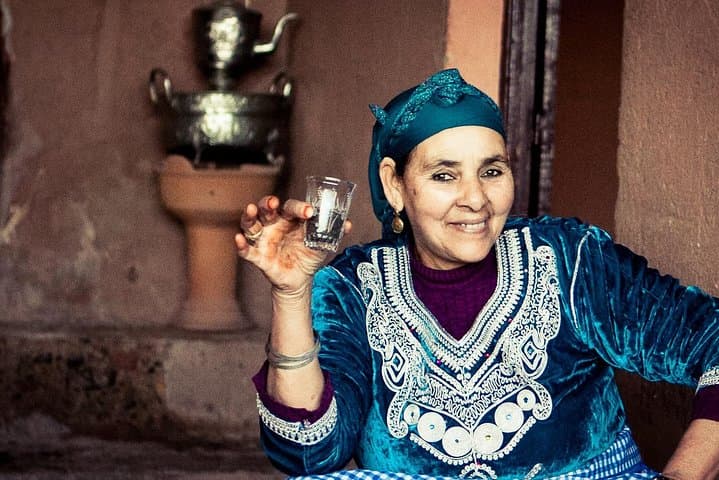
Geology here is blunt and honest: folded rock and uplifted strata that created North Africa’s highest peaks. The Atlas has been shaped by tectonic pressure and seasonal run-off, the channels and gullies that feed tiny waterfalls beside the trails. Culturally, this valley is Amazigh (Berber) country — villages organized around irrigation, walnut trees, and small-scale herding. Local families often invite visitors for a tagine lunch served on low tables, a direct entry into daily life.
Practically, expect easy to moderate walking on dirt tracks and stepping lanes through walnut forest, with short ascents and village cobblestones. A typical day includes a guided walk to nearby waterfalls, time in a Berber home for a homemade lunch, and views toward the Kik plateau and Lalla Takerkoust dam on the return. Bring layered clothing for rapid temperature shifts, sturdy shoes for uneven surfaces, and cash for tea or small purchases. Respect local customs—ask before photographing people—and follow Leave No Trace on mountain trails. The trip is accessible to most travelers and gives a compact, sensory portrait of Atlas life without committing to mountaineering.
easy.
8 hours.
Suitable for most fitness levels—short walks on dirt tracks and village paths with occasional short climbs
Most groups do 1.5–3 hours of walking spread across the day—short village walks, a forest trail to waterfalls, and easy ascents/descents.
No—this trip is suitable for casual walkers and travelers with basic mobility; paths are mostly well-trodden but can be uneven.
Lunch with a local family is included; operators can usually accommodate dietary preferences with advance notice at booking.
On clear days you’ll have views toward Jebel Toubkal; visibility depends on season and cloud cover.
The Imlil Valley is traditional Amazigh (Berber) country; villages grew around seasonal irrigation and mountain transhumance, and Imlil serves as a historic base for ascents of Toubkal.
The High Atlas is vulnerable to erosion and water stress; stick to trails, avoid single-use plastics, and support local guides to ensure tourism benefits communities.
Adventure masters operates guided outdoor trips and adventures with an emphasis on safety, stewardship, and memorable experiences.


You leave Marrakech before the heat builds, the city shrinking behind a scatter of red houses as the road climbs into the High Atlas. Wind pushes across the pass, walnut groves lean over terraced fields, and a mountain stream dares you to follow its voice toward Imlil — a cluster of stone houses at the foot of Jebel Toubkal. The air sharpens; clouds sit low on the ridges and the village feels immediate and human.
You leave Marrakech before the heat builds, the city shrinking behind a scatter of red houses as the road climbs into the High Atlas. Wind pushes across the pass, walnut groves lean over terraced fields, and a mountain stream dares you to follow its voice toward Imlil — a cluster of stone houses at the foot of Jebel Toubkal. The air sharpens; clouds sit low on the ridges and the village feels immediate and human.
Geology here is blunt and honest: folded rock and uplifted strata that created North Africa’s highest peaks. The Atlas has been shaped by tectonic pressure and seasonal run-off, the channels and gullies that feed tiny waterfalls beside the trails. Culturally, this valley is Amazigh (Berber) country — villages organized around irrigation, walnut trees, and small-scale herding. Local families often invite visitors for a tagine lunch served on low tables, a direct entry into daily life.
Practically, expect easy to moderate walking on dirt tracks and stepping lanes through walnut forest, with short ascents and village cobblestones. A typical day includes a guided walk to nearby waterfalls, time in a Berber home for a homemade lunch, and views toward the Kik plateau and Lalla Takerkoust dam on the return. Bring layered clothing for rapid temperature shifts, sturdy shoes for uneven surfaces, and cash for tea or small purchases. Respect local customs—ask before photographing people—and follow Leave No Trace on mountain trails. The trip is accessible to most travelers and gives a compact, sensory portrait of Atlas life without committing to mountaineering.