THE ADVENTURE COLLECTIVE® · Independent discovery and booking for outdoor travel

Escape Marrakech for a full-day excursion into the High Atlas: camel time on the plains, a scenic drive to Imlil, and a guided walk to riverside cascades with a Berber family lunch. Practical and immersive, this route combines culture, easy hiking, and mountain scenery.
Escape Marrakech for a full-day excursion into the High Atlas: camel time on the plains, a scenic drive to Imlil, and a guided walk to riverside cascades with a Berber family lunch. Practical and immersive, this route combines culture, easy hiking, and mountain scenery.
You leave Marrakech with the city heat shrinking in the rearview as the High Atlas rises like a folded map, roads climbing toward rocky ridgelines. Early light paints the slopes; camels stand patient at a small farm while local guides fit your saddle and the valley air cools. By the time you reach Ait Souka, the Ait Mizan River is already daring you to follow its course upward, and two waterfalls announce themselves with a scatter of spray and stone.
Verified experiences and guided adventures in the surrounding area.
Operated by Trips From Marrakech · Imlil, Marrakesh-Safi
You leave Marrakech with the city heat shrinking in the rearview as the High Atlas rises like a folded map, roads climbing toward rocky ridgelines. Early light paints the slopes; camels stand patient at a small farm while local guides fit your saddle and the valley air cools. By the time you reach Ait Souka, the Ait Mizan River is already daring you to follow its course upward, and two waterfalls announce themselves with a scatter of spray and stone.
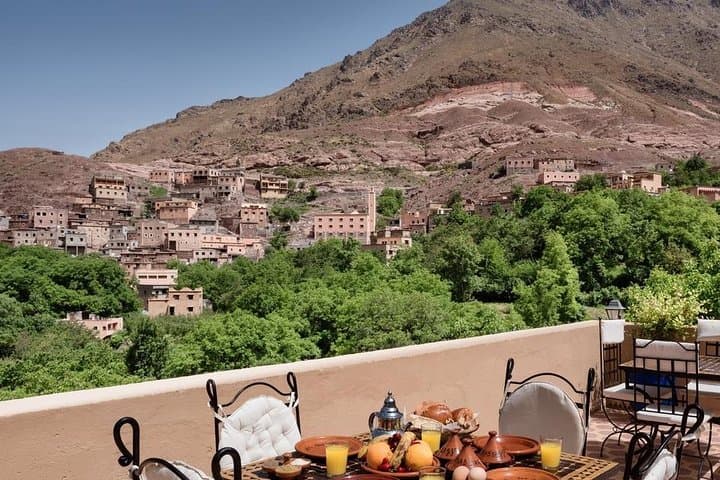
The High Atlas is young and rough—tectonic uplift and erosion have carved steep valleys and terraced fields that Berber (Amazigh) communities have farmed for centuries. Imlil sits at the transition from foothill scrub to alpine pasture, where volcanic and sedimentary layers show as bands of color on the slopes. Culture here is practical and hospitable: mint tea, a simple breakfast at a cooperative, and stories about seasonal migrations and irrigation systems that have shaped life in the valley.
Practically, this is a day of mixed activity—short camel time near Marrakech, a scenic drive, and a guided walk from Ait Souka up to the cascades with opportunities to rest by the river and eat with a Berber family. Expect rocky dirt trails, uneven steps, and steep short pitches rather than long technical climbs. Bring layered clothing, solid footwear, a refillable water bottle, sun protection and some cash for small local purchases or tips. Start early to avoid midday heat, and allow time for unhurried tea breaks; the valley moves at mountain time, patient and direct.
moderate.
6–7 hours.
Moderate fitness: comfortable walking on uneven ground for 1–3 hours with short elevation gains
Yes—most operators include pickup and drop-off in Marrakech; confirm your pickup point when booking.
Expect 1–3 hours of walking total, typically on well-worn dirt paths with some short steep sections to the cascades.
Families can join, but those with limited mobility or serious back/heart issues should avoid the walking portions; check for available seating or reduced activity options.
A local breakfast, tea and a family-style lunch are usually included; bring snacks if you have dietary restrictions and notify the operator in advance.
The High Atlas is home to Amazigh communities who have farmed terraced slopes and managed irrigation channels for centuries; villages at Imlil reflect that rural heritage.
Tourism brings income but pressure on water and trails; support local cooperatives, avoid single-use plastics, and stay on designated paths to limit erosion.
Trips From Marrakech operates guided outdoor trips and adventures with an emphasis on safety, stewardship, and memorable experiences.
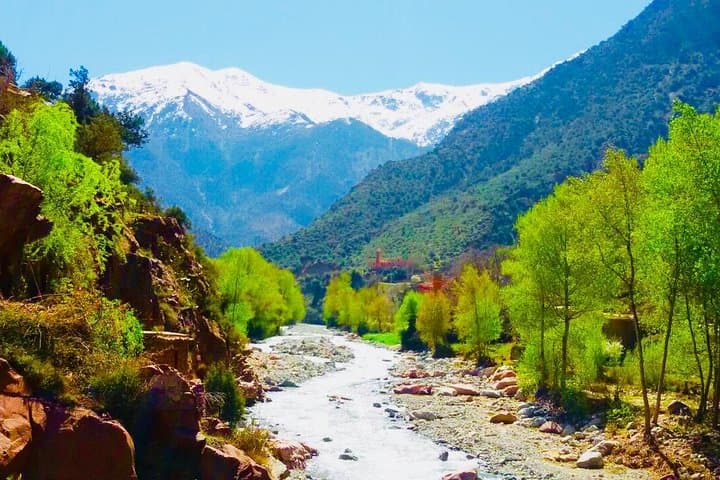
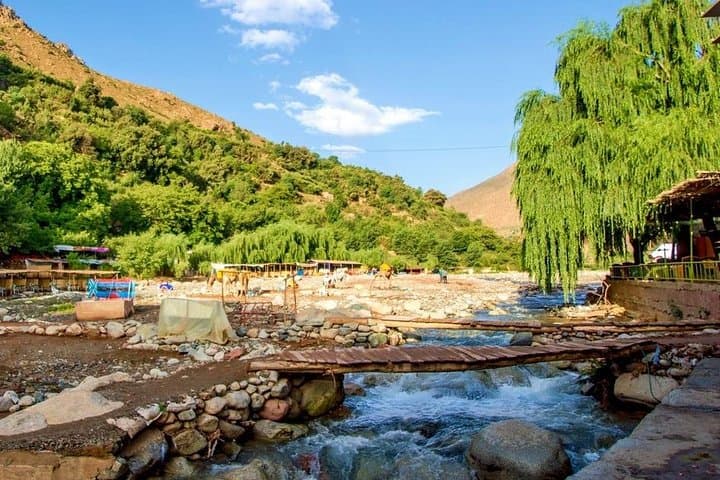
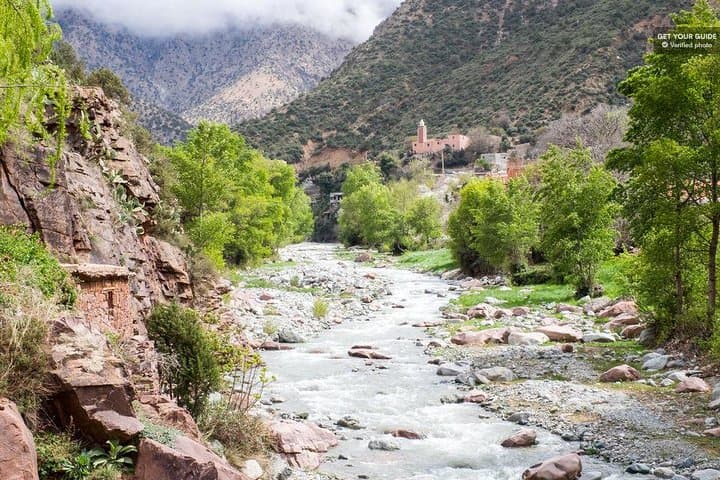
You leave Marrakech with the city heat shrinking in the rearview as the High Atlas rises like a folded map, roads climbing toward rocky ridgelines. Early light paints the slopes; camels stand patient at a small farm while local guides fit your saddle and the valley air cools. By the time you reach Ait Souka, the Ait Mizan River is already daring you to follow its course upward, and two waterfalls announce themselves with a scatter of spray and stone.
You leave Marrakech with the city heat shrinking in the rearview as the High Atlas rises like a folded map, roads climbing toward rocky ridgelines. Early light paints the slopes; camels stand patient at a small farm while local guides fit your saddle and the valley air cools. By the time you reach Ait Souka, the Ait Mizan River is already daring you to follow its course upward, and two waterfalls announce themselves with a scatter of spray and stone.
The High Atlas is young and rough—tectonic uplift and erosion have carved steep valleys and terraced fields that Berber (Amazigh) communities have farmed for centuries. Imlil sits at the transition from foothill scrub to alpine pasture, where volcanic and sedimentary layers show as bands of color on the slopes. Culture here is practical and hospitable: mint tea, a simple breakfast at a cooperative, and stories about seasonal migrations and irrigation systems that have shaped life in the valley.
Practically, this is a day of mixed activity—short camel time near Marrakech, a scenic drive, and a guided walk from Ait Souka up to the cascades with opportunities to rest by the river and eat with a Berber family. Expect rocky dirt trails, uneven steps, and steep short pitches rather than long technical climbs. Bring layered clothing, solid footwear, a refillable water bottle, sun protection and some cash for small local purchases or tips. Start early to avoid midday heat, and allow time for unhurried tea breaks; the valley moves at mountain time, patient and direct.