THE ADVENTURE COLLECTIVE® · Independent discovery and booking for outdoor travel

A private day trip from Marrakech into the High Atlas, this guided hike through Imlil Valley combines mountain views, a 60–90 minute trail to waterfalls, and a home-cooked Berber lunch at a family house. Perfect for travelers who want local context without technical climbing.
A private day trip from Marrakech into the High Atlas, this guided hike through Imlil Valley combines mountain views, a 60–90 minute trail to waterfalls, and a home-cooked Berber lunch at a family house. Perfect for travelers who want local context without technical climbing.
You leave Marrakech behind as the city’s heat thins and the High Atlas foothills rise, the road folding into steeper hairpins until the tarmac ends at Imlil. Mountain air sharpens; terraces and stone villages slip by like chapters. A local guide meets you here and leads a 60–90 minute hike toward a pair of waterfalls, where the stream seems to dare you closer and the valley opens to view Jebel Toubkal’s snow-capped shoulder on clear days.
Verified experiences and guided adventures in the surrounding area.
Operated by Morocco Inspiring Tours · Imlil, Marrakesh-Safi
You leave Marrakech behind as the city’s heat thins and the High Atlas foothills rise, the road folding into steeper hairpins until the tarmac ends at Imlil. Mountain air sharpens; terraces and stone villages slip by like chapters. A local guide meets you here and leads a 60–90 minute hike toward a pair of waterfalls, where the stream seems to dare you closer and the valley opens to view Jebel Toubkal’s snow-capped shoulder on clear days.
Imlil sits at the gateway to Toubkal, North Africa’s highest peak (4,167 m), and has long been a staging point for Berber shepherding routes and transhumance patterns. Geologically the valley is carved from uplifted schists and granitic intrusions, creating steep gullies and cultivated terraces that follow centuries of water management. Culture here is concrete: homes, cooperative argan presses nearby, and family-run lunch hospitality that preserves recipes such as slow-cooked tajine.
Practically, expect about 65 km of winding drive from Marrakech and a guided, moderate walk of roughly 3–4 km round-trip with 200–350 m of elevation gain depending on how far you push. The trail alternates packed earth, stone steps and occasional scree; good footwear matters. Bring layered clothing for temperature swings, at least 1–1.5 L of water, sunscreen and a small daypack. The private tour includes transport, guide, bottled water, mint tea and a home-cooked Berber lunch—ideal if you want local context without the logistics. Aim for morning departures to avoid afternoon heat and to get clearer views of Toubkal before convective haze builds.
moderate.
6–7 hours.
Suitable for people in regular walking shape; expect sustained uphill steps and 200–350 m of elevation gain on the hike portion
The drive is about 65 km and typically takes 1.5–2 hours each way depending on traffic and stops along the foothills.
Yes—this private tour is rated easy-to-moderate and the guide can adapt pace; children and older travelers in reasonable health usually manage the 60–90 minute walk.
No technical experience is required; the route is a valley walk with some uphill sections, not a mountaineering route to Toubkal.
Yes—operators typically offer vegetarian, vegan and gluten-free options if requested in advance.
Imlil has long been a Berber mountain hub and the traditional trailhead for ascents of Jebel Toubkal; village hospitality reflects centuries of High Atlas mountain life.
The High Atlas is ecologically fragile—stick to trails, avoid single-use plastics, and support local cooperatives to keep tourism benefits in the valley.
Morocco Inspiring Tours operates guided outdoor trips and adventures with an emphasis on safety, stewardship, and memorable experiences.
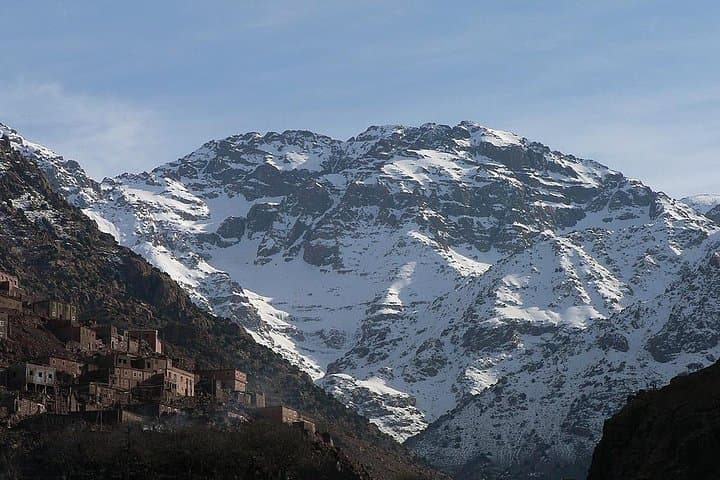
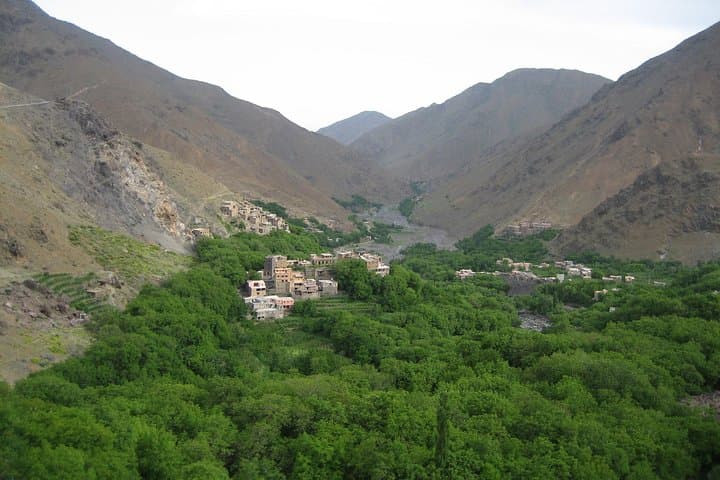
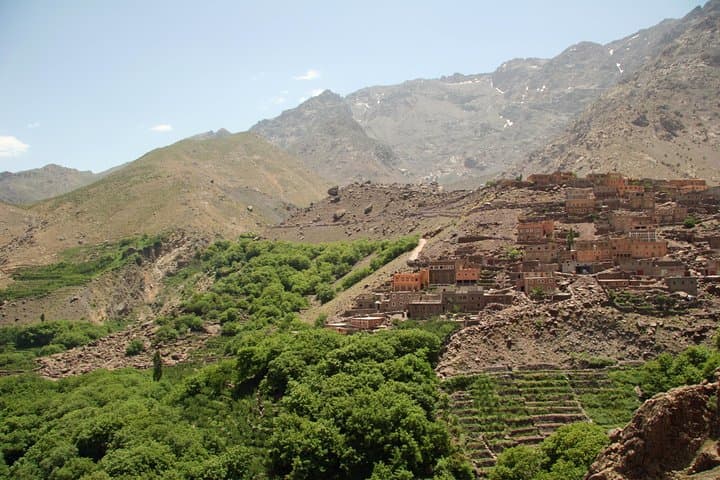
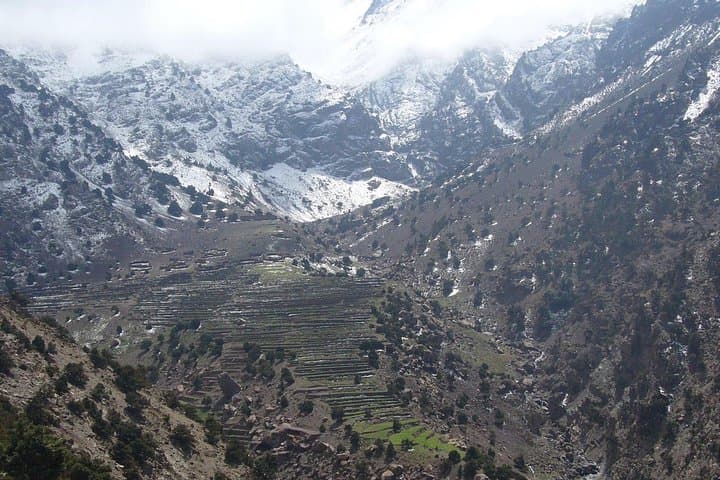
You leave Marrakech behind as the city’s heat thins and the High Atlas foothills rise, the road folding into steeper hairpins until the tarmac ends at Imlil. Mountain air sharpens; terraces and stone villages slip by like chapters. A local guide meets you here and leads a 60–90 minute hike toward a pair of waterfalls, where the stream seems to dare you closer and the valley opens to view Jebel Toubkal’s snow-capped shoulder on clear days.
You leave Marrakech behind as the city’s heat thins and the High Atlas foothills rise, the road folding into steeper hairpins until the tarmac ends at Imlil. Mountain air sharpens; terraces and stone villages slip by like chapters. A local guide meets you here and leads a 60–90 minute hike toward a pair of waterfalls, where the stream seems to dare you closer and the valley opens to view Jebel Toubkal’s snow-capped shoulder on clear days.
Imlil sits at the gateway to Toubkal, North Africa’s highest peak (4,167 m), and has long been a staging point for Berber shepherding routes and transhumance patterns. Geologically the valley is carved from uplifted schists and granitic intrusions, creating steep gullies and cultivated terraces that follow centuries of water management. Culture here is concrete: homes, cooperative argan presses nearby, and family-run lunch hospitality that preserves recipes such as slow-cooked tajine.
Practically, expect about 65 km of winding drive from Marrakech and a guided, moderate walk of roughly 3–4 km round-trip with 200–350 m of elevation gain depending on how far you push. The trail alternates packed earth, stone steps and occasional scree; good footwear matters. Bring layered clothing for temperature swings, at least 1–1.5 L of water, sunscreen and a small daypack. The private tour includes transport, guide, bottled water, mint tea and a home-cooked Berber lunch—ideal if you want local context without the logistics. Aim for morning departures to avoid afternoon heat and to get clearer views of Toubkal before convective haze builds.