THE ADVENTURE COLLECTIVE® · Independent discovery and booking for outdoor travel

A full-day road-and-walk excursion from Marrakech into the High Atlas, this tour delivers a 3–4 hour circular hike around Imlil with cultural stops and mountain views. Perfect for travelers who want a manageable day in high country without technical climbing.
A full-day road-and-walk excursion from Marrakech into the High Atlas, this tour delivers a 3–4 hour circular hike around Imlil with cultural stops and mountain views. Perfect for travelers who want a manageable day in high country without technical climbing.
You step out of the riad as Marrakech’s morning heat still clings to the streets, and the road tilts upward toward the High Atlas. By 10:30 you’re in Imlil, air cooler, and the village opens like a stone amphitheater beneath Jbel Toubkal’s flanks. A café pours mint tea; mule bells tick in the lanes; a local guide points out terraced fields, wild thyme and the first slate roofs of Berber homes.
Verified experiences and guided adventures in the surrounding area.
Operated by Omar Ait El mahjoub · Imlil, Al Haouz Province
You step out of the riad as Marrakech’s morning heat still clings to the streets, and the road tilts upward toward the High Atlas. By 10:30 you’re in Imlil, air cooler, and the village opens like a stone amphitheater beneath Jbel Toubkal’s flanks. A café pours mint tea; mule bells tick in the lanes; a local guide points out terraced fields, wild thyme and the first slate roofs of Berber homes.
Imlil sits at the gateway to North Africa’s highest peak, and the valley’s geology is a mix of folded sandstone and volcanic debris pushed up by the Atlas orogeny. Historically a seasonal trade and pastoral corridor, the area retains strong Amazigh (Berber) cultural traditions—language, house architecture, and small-scale farming—visible along the route and in family-run restaurants and kasbahs that dot the road to Asni.
The walk itself is a 3–4 hour circular route on mule tracks and rendered stone trails with moderate climbs and occasional loose scree; expect steady ups and downs rather than technical scrambling. Wildlife is subtle—rock partridge, fox tracks, and mountain larks—and spring brings thyme-scented slopes.
Practical: depart Marrakech around 09:00, carry at least 1.5 liters of water, a sun layer and a light windproof, and wear sturdy footwear for uneven, occasionally muddy paths. Lunch is available in Imlil or at larger kasbah restaurants en route but is not included. Guides handle local arrangements and can suggest quieter viewpoints if you want to push higher for a short panorama before returning to Marrakech by late afternoon.
moderate.
7–8 hours.
Suitable for travelers with basic aerobic fitness able to handle 3–4 hours of hiking on uneven terrain and short climbs.
No—lunch is not included. There are several restaurants and guesthouses in Imlil and along the route where you can eat, and your driver can advise or try to secure a table.
The circular walk is approximately 3–4 hours on local paths and mule tracks; the full excursion from Marrakech is about 7–8 hours including transfers.
Yes—this route is listed as physically easy by operators, but children and older travelers should be comfortable walking on uneven ground and bring necessary rest breaks.
No—this is a day hike on marked trails; no ropes or technical equipment are required.
Imlil has long been a mountain farming hamlet and traditional stopping point for traders and shepherds; it became a trekking gateway as access from Marrakech improved in the 20th century.
Visitors should stick to established trails, avoid disturbing terraced fields, and minimize plastic waste; supporting local guesthouses helps keep tourism benefits in the community.
Omar Ait El mahjoub operates guided outdoor trips and adventures with an emphasis on safety, stewardship, and memorable experiences.
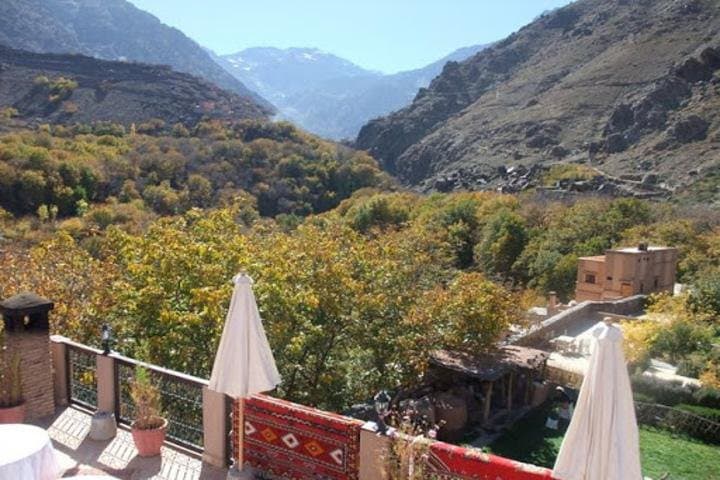
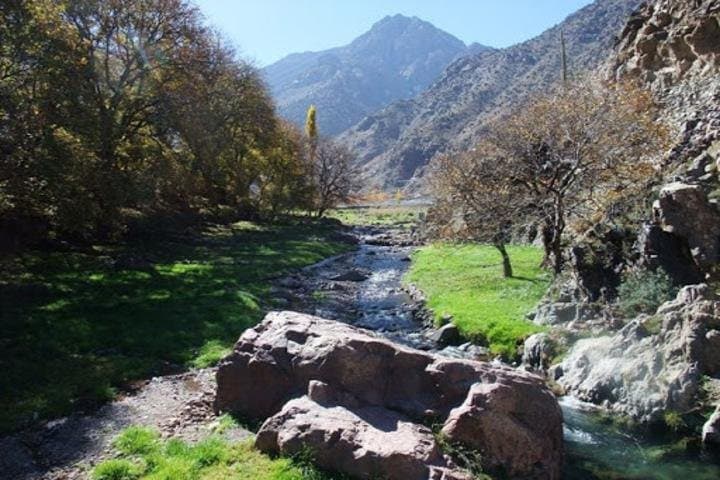
You step out of the riad as Marrakech’s morning heat still clings to the streets, and the road tilts upward toward the High Atlas. By 10:30 you’re in Imlil, air cooler, and the village opens like a stone amphitheater beneath Jbel Toubkal’s flanks. A café pours mint tea; mule bells tick in the lanes; a local guide points out terraced fields, wild thyme and the first slate roofs of Berber homes.
You step out of the riad as Marrakech’s morning heat still clings to the streets, and the road tilts upward toward the High Atlas. By 10:30 you’re in Imlil, air cooler, and the village opens like a stone amphitheater beneath Jbel Toubkal’s flanks. A café pours mint tea; mule bells tick in the lanes; a local guide points out terraced fields, wild thyme and the first slate roofs of Berber homes.
Imlil sits at the gateway to North Africa’s highest peak, and the valley’s geology is a mix of folded sandstone and volcanic debris pushed up by the Atlas orogeny. Historically a seasonal trade and pastoral corridor, the area retains strong Amazigh (Berber) cultural traditions—language, house architecture, and small-scale farming—visible along the route and in family-run restaurants and kasbahs that dot the road to Asni.
The walk itself is a 3–4 hour circular route on mule tracks and rendered stone trails with moderate climbs and occasional loose scree; expect steady ups and downs rather than technical scrambling. Wildlife is subtle—rock partridge, fox tracks, and mountain larks—and spring brings thyme-scented slopes.
Practical: depart Marrakech around 09:00, carry at least 1.5 liters of water, a sun layer and a light windproof, and wear sturdy footwear for uneven, occasionally muddy paths. Lunch is available in Imlil or at larger kasbah restaurants en route but is not included. Guides handle local arrangements and can suggest quieter viewpoints if you want to push higher for a short panorama before returning to Marrakech by late afternoon.