THE ADVENTURE COLLECTIVE® · Independent discovery and booking for outdoor travel

Escape Marrakech for a day and hike the Imlil valley to Aroumd for close-up views of Mount Toubkal, market stops in Asni, and lunch with a Berber family. This accessible High Atlas day trip pairs scenic walking with cultural exchange.
Escape Marrakech for a day and hike the Imlil valley to Aroumd for close-up views of Mount Toubkal, market stops in Asni, and lunch with a Berber family. This accessible High Atlas day trip pairs scenic walking with cultural exchange.
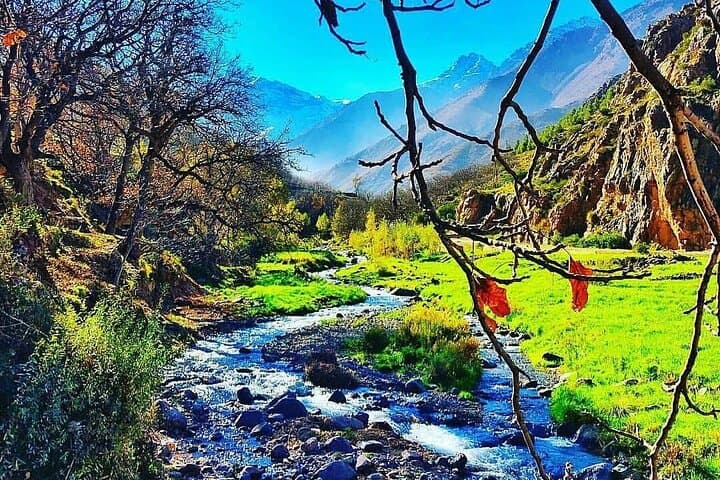
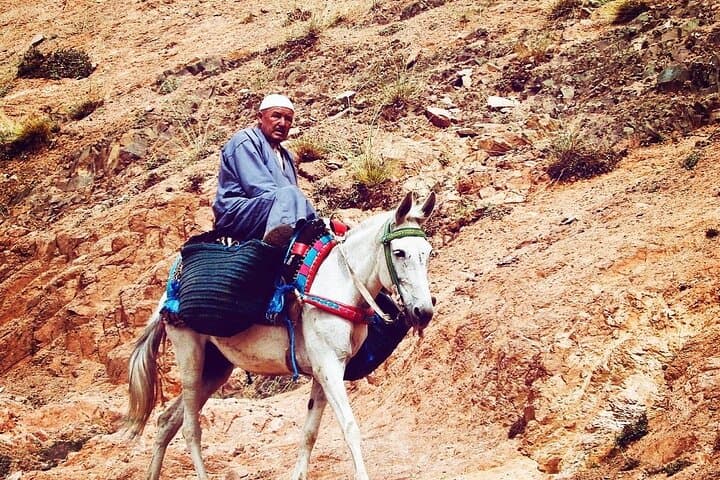
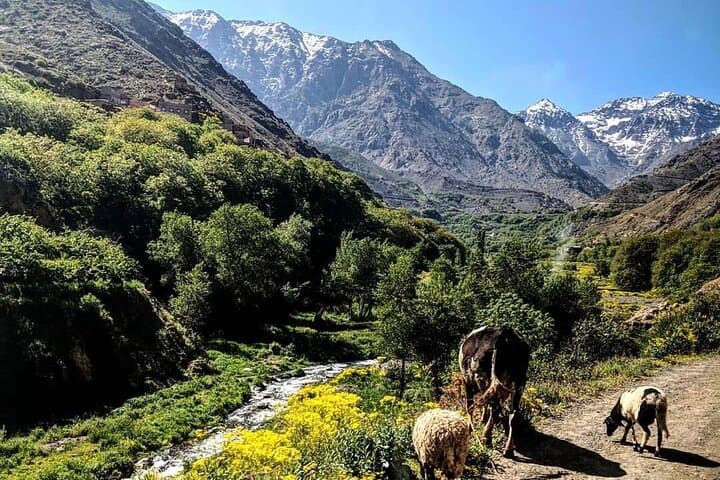
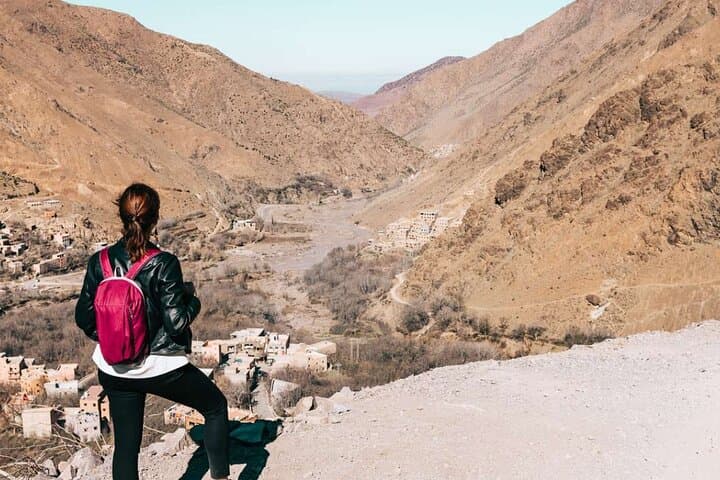
A cool mountain wind meets the van as it climbs out of Marrakech and into the high ridges of the Western High Atlas. By the time the road drops into Imlil, at about 1,740 m, the air feels thinner and the olive terraces sharpen into stone and dust. The guide pours mint tea; the trailhead slips into hamlets, mule tracks and stacked granaries. Walking south toward Aroumd (≈1,843 m) the path climbs through fields and traditional Berber hamlets, opening occasional frames of Mount Toubkal — the highest summit in North Africa — hanging over the valley like a distant challenge.
Verified experiences and guided adventures in the surrounding area.
Operated by Atlas Mountain Travel · Imlil, Marrakech-Safi
A cool mountain wind meets the van as it climbs out of Marrakech and into the high ridges of the Western High Atlas. By the time the road drops into Imlil, at about 1,740 m, the air feels thinner and the olive terraces sharpen into stone and dust. The guide pours mint tea; the trailhead slips into hamlets, mule tracks and stacked granaries. Walking south toward Aroumd (≈1,843 m) the path climbs through fields and traditional Berber hamlets, opening occasional frames of Mount Toubkal — the highest summit in North Africa — hanging over the valley like a distant challenge.
This day tour blends simple hiking with cultural contact: a stop at Asni’s weekly market (Saturdays) offers a brisk, sensory primer on mountain life, while lunch in Ait-Souka inside a Berber family home underscores the region’s rural customs. Geologically, you’ll move across schist and volcanic outcrops carved by seasonal torrents; pastoral terraces and dry stone walls record centuries of local land use.
Practically, expect 6–7 hours total including transfers, with roughly 2–3 hours on foot on uneven, sometimes steep mule tracks and short stone stair sections — modest altitude gain between villages but enough to feel aerobic. Wear sturdy footwear, sun protection and bring water; mornings are best for clear views and cooler hiking. Photographers should time stops for side-valley light. Respect private terraces and ask before photographing people; tipping or buying local goods helps support the families who host visitors.
moderate.
6–7 hours (including transfers).
Suitable for people who walk regularly and can handle sustained uphill sections at altitude; not technical but moderately aerobic.
The guided walking portion is typically 2–3 hours round-trip between Imlil and Aroumd/Ait-Souka, depending on pace and photo stops.
No — the weekly market in Asni usually takes place on Saturdays; the guide will include it when timing matches the tour date.
You can bring children, but strollers are only suitable on short, flat village sections; some paths include steps and uneven ground.
No technical experience required; basic fitness for uphill walking and comfortable footwear are enough for this day trip.
The High Atlas is home to Amazigh (Berber) communities whose transhumant agriculture and stone terracing shape the valley; Toubkal was first climbed by European mountaineers in the early 20th century.
Tourism supports local households but also stresses water and trail erosion; stick to paths, avoid single-use plastic and consider buying local products to benefit families directly.
Atlas Mountain Travel operates guided outdoor trips and adventures with an emphasis on safety, stewardship, and memorable experiences.
A cool mountain wind meets the van as it climbs out of Marrakech and into the high ridges of the Western High Atlas. By the time the road drops into Imlil, at about 1,740 m, the air feels thinner and the olive terraces sharpen into stone and dust. The guide pours mint tea; the trailhead slips into hamlets, mule tracks and stacked granaries. Walking south toward Aroumd (≈1,843 m) the path climbs through fields and traditional Berber hamlets, opening occasional frames of Mount Toubkal — the highest summit in North Africa — hanging over the valley like a distant challenge.
A cool mountain wind meets the van as it climbs out of Marrakech and into the high ridges of the Western High Atlas. By the time the road drops into Imlil, at about 1,740 m, the air feels thinner and the olive terraces sharpen into stone and dust. The guide pours mint tea; the trailhead slips into hamlets, mule tracks and stacked granaries. Walking south toward Aroumd (≈1,843 m) the path climbs through fields and traditional Berber hamlets, opening occasional frames of Mount Toubkal — the highest summit in North Africa — hanging over the valley like a distant challenge.
This day tour blends simple hiking with cultural contact: a stop at Asni’s weekly market (Saturdays) offers a brisk, sensory primer on mountain life, while lunch in Ait-Souka inside a Berber family home underscores the region’s rural customs. Geologically, you’ll move across schist and volcanic outcrops carved by seasonal torrents; pastoral terraces and dry stone walls record centuries of local land use.
Practically, expect 6–7 hours total including transfers, with roughly 2–3 hours on foot on uneven, sometimes steep mule tracks and short stone stair sections — modest altitude gain between villages but enough to feel aerobic. Wear sturdy footwear, sun protection and bring water; mornings are best for clear views and cooler hiking. Photographers should time stops for side-valley light. Respect private terraces and ask before photographing people; tipping or buying local goods helps support the families who host visitors.