THE ADVENTURE COLLECTIVE® · Independent discovery and booking for outdoor travel

A two-day traverse from Imlil to Ouirgane through the High Atlas—trek over a 2,540 m pass, descend through juniper forests and overnight in Berber gites. Expect rugged trails, mule support, and hands-on local hospitality.
A two-day traverse from Imlil to Ouirgane through the High Atlas—trek over a 2,540 m pass, descend through juniper forests and overnight in Berber gites. Expect rugged trails, mule support, and hands-on local hospitality.
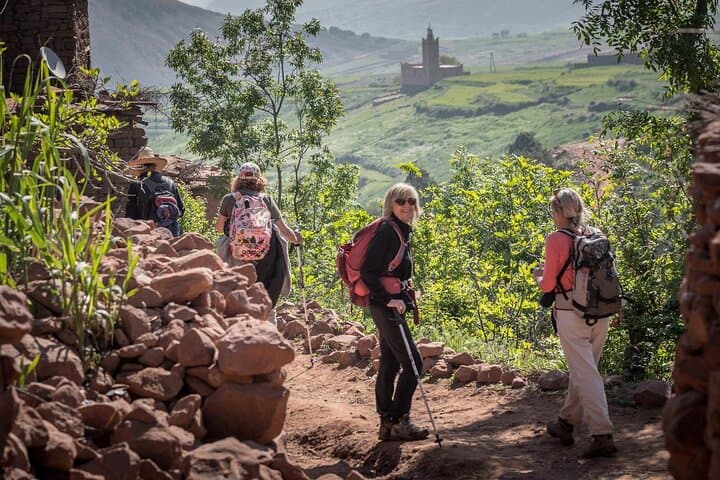
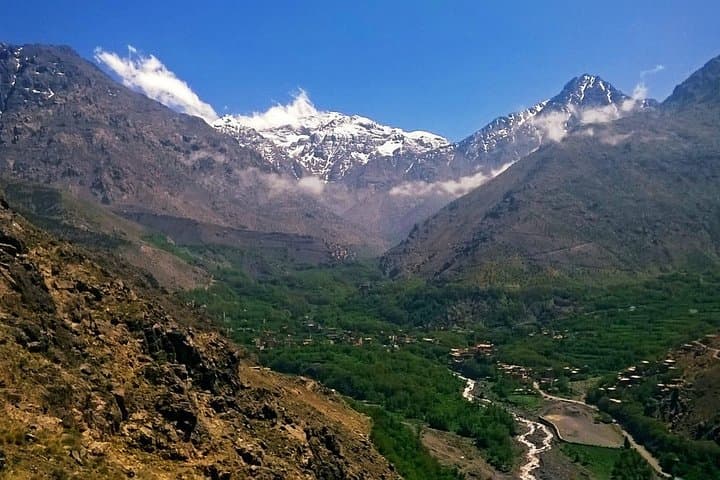
You leave Marrakech before dawn and the road peels away into ochre foothills and the rising ribs of the High Atlas. By midmorning the mule bells and the smell of wood smoke punctuate the air as you step out of Imlil and begin the climb toward Tizi M'zzik. The pass at 2,540 m opens a wide, wind-carved shoulder; below, the Azzaden Valley folds into orchards, juniper stands and villages with stone roofs that catch late light.
Verified experiences and guided adventures in the surrounding area.
Operated by Atlas Mountains Day Trip · Imlil, Marrakech-Safi
You leave Marrakech before dawn and the road peels away into ochre foothills and the rising ribs of the High Atlas. By midmorning the mule bells and the smell of wood smoke punctuate the air as you step out of Imlil and begin the climb toward Tizi M'zzik. The pass at 2,540 m opens a wide, wind-carved shoulder; below, the Azzaden Valley folds into orchards, juniper stands and villages with stone roofs that catch late light.
This corridor carries a long human story—Amazigh (Berber) communities, terraced walnut groves and seasonal shepherding shaped the slopes for centuries. Geologically the High Atlas is young and rugged: limestone ridges, scree fields and narrow river cuttings remind you you’re hiking on uplifted terrain still being sculpted by winter runoff.
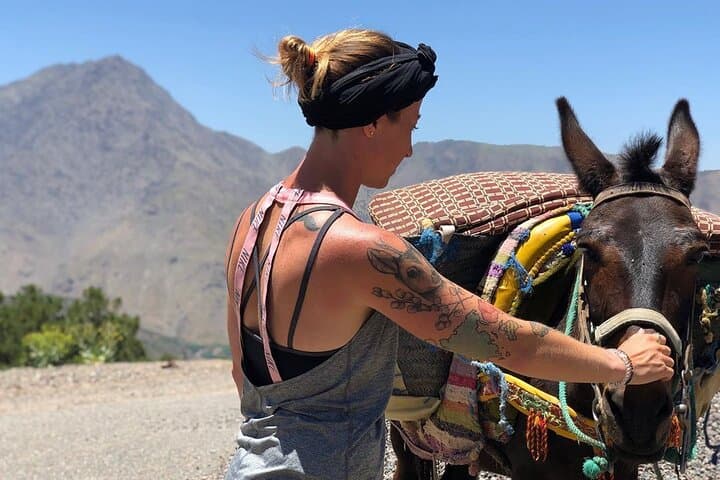
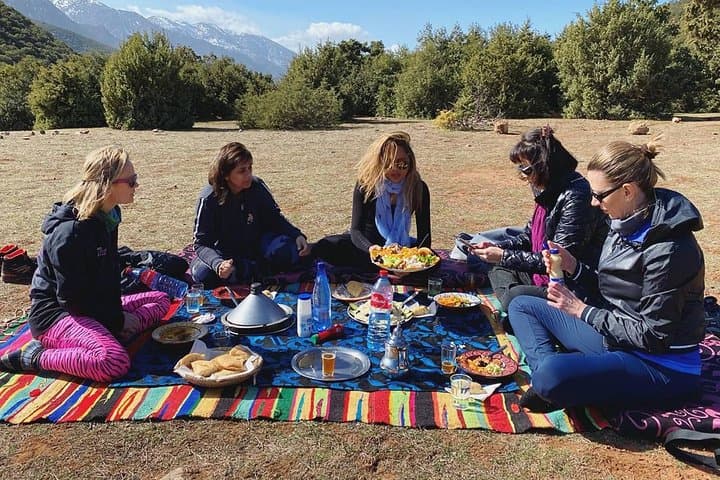
Culturally the route connects small gites and family-run kitchens where simple tajines and fresh bread anchor the day, and mules remain the practical freight system. Wildlife here is resilient: Barbary sheep and highland raptors patrol the cliffs while junipers creak in the wind.
Practical notes: plan for two solid hiking days (5–6 hours each), uneven stone tracks and some steep switchbacks. Weather can flip quickly above 2,000 m—layer and carry rain protection. Guides and mule support are standard; luggage rides between villages keep packs light. Hydrate before the passes, wear sturdy boots with ankle support, and set an easy pace on descents into Ouirgane where olive groves signal a gentler valley floor. With simple gite accommodation and communal meals, this traverse is straightforward but demands respect for altitude, terrain and changing weather.
moderate.
2 days (5–6 hours hiking per day).
Moderate fitness with experience on full-day hikes and some uphill at altitude; comfortable walking 8–12 km/day on mixed terrain.
Expect two moderate hiking days with 5–6 hours on trail each day, a high point at 2,540 m and some steep sections—suitable for hikers in moderate condition.
Overnight is in simple Berber gites (shared rooms, basic facilities); camping is an option in summer months (June–Oct).
Yes—mules and muleteers transport luggage between villages so you only need a daypack for essentials.
Local guides are included and recommended for navigation, cultural interpretation and weather-aware decisions in the High Atlas.
The route links small Amazigh (Berber) communities shaped by centuries of terrace agriculture and transhumant herding, visible in stone villages and walnut orchards.
Tourism supports local economies but increases pressure on water and trails; stick to paths, limit waste and favor local guides who manage mule use sustainably.
Atlas Mountains Day Trip operates guided outdoor trips and adventures with an emphasis on safety, stewardship, and memorable experiences.
You leave Marrakech before dawn and the road peels away into ochre foothills and the rising ribs of the High Atlas. By midmorning the mule bells and the smell of wood smoke punctuate the air as you step out of Imlil and begin the climb toward Tizi M'zzik. The pass at 2,540 m opens a wide, wind-carved shoulder; below, the Azzaden Valley folds into orchards, juniper stands and villages with stone roofs that catch late light.
You leave Marrakech before dawn and the road peels away into ochre foothills and the rising ribs of the High Atlas. By midmorning the mule bells and the smell of wood smoke punctuate the air as you step out of Imlil and begin the climb toward Tizi M'zzik. The pass at 2,540 m opens a wide, wind-carved shoulder; below, the Azzaden Valley folds into orchards, juniper stands and villages with stone roofs that catch late light.
This corridor carries a long human story—Amazigh (Berber) communities, terraced walnut groves and seasonal shepherding shaped the slopes for centuries. Geologically the High Atlas is young and rugged: limestone ridges, scree fields and narrow river cuttings remind you you’re hiking on uplifted terrain still being sculpted by winter runoff.
Culturally the route connects small gites and family-run kitchens where simple tajines and fresh bread anchor the day, and mules remain the practical freight system. Wildlife here is resilient: Barbary sheep and highland raptors patrol the cliffs while junipers creak in the wind.
Practical notes: plan for two solid hiking days (5–6 hours each), uneven stone tracks and some steep switchbacks. Weather can flip quickly above 2,000 m—layer and carry rain protection. Guides and mule support are standard; luggage rides between villages keep packs light. Hydrate before the passes, wear sturdy boots with ankle support, and set an easy pace on descents into Ouirgane where olive groves signal a gentler valley floor. With simple gite accommodation and communal meals, this traverse is straightforward but demands respect for altitude, terrain and changing weather.