THE ADVENTURE COLLECTIVE® · Independent discovery and booking for outdoor travel

A varied eight-hour circuit from Marrakech that pairs Agafay’s lunar plains with terraced High Atlas villages, mule paths around Imlil, and tea with Amazigh families—perfect for travelers who want scenery, culture, and a manageable alpine walk in one day.
A varied eight-hour circuit from Marrakech that pairs Agafay’s lunar plains with terraced High Atlas villages, mule paths around Imlil, and tea with Amazigh families—perfect for travelers who want scenery, culture, and a manageable alpine walk in one day.
Dust from the Haouz plain lifts as the jeep climbs toward cooler air and the first hints of granite ridges. You arrive at Lalla Takerkoust, its irrigated blue a sudden false calm before the scrubbed moonscape of the Agafay desert and, farther up, the terraced orchards of the High Atlas.
Verified experiences and guided adventures in the surrounding area.
Operated by Marrakech Outdoor Trips · Imlil, Marrakesh-Safi
Dust from the Haouz plain lifts as the jeep climbs toward cooler air and the first hints of granite ridges. You arrive at Lalla Takerkoust, its irrigated blue a sudden false calm before the scrubbed moonscape of the Agafay desert and, farther up, the terraced orchards of the High Atlas.
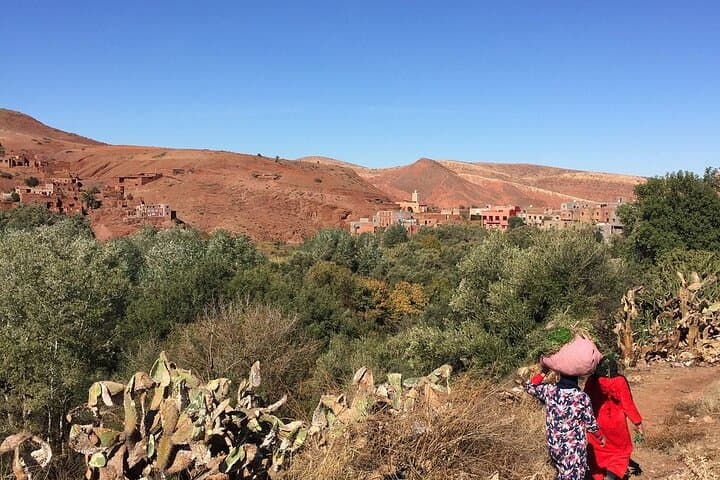
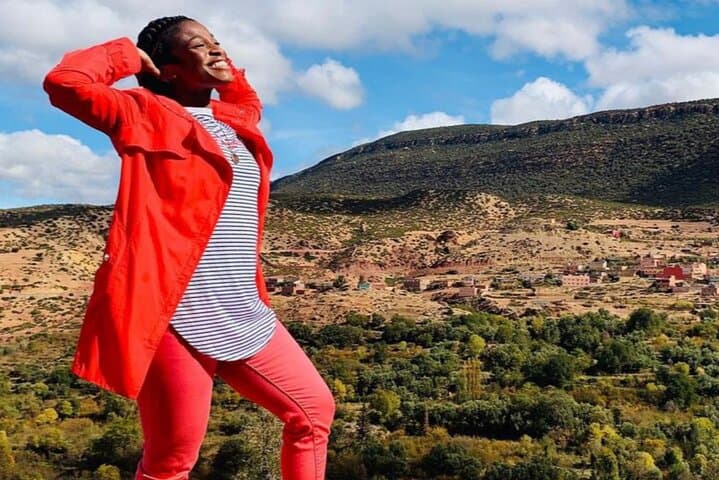
This full-day route threads recent human history and older geology: volcanic and metamorphic rock folded into the Atlas Range over millennia, irrigated for generations by Amazigh (Berber) communities who farm chestnuts, walnuts and cherries on steep terraces. In villages like Aguergour and Tagadirt you’ll meet locals over mint tea, see traditional stone-and-mud houses adapted to summer sun and winter snow, and learn about transhumant practices still visible in seasonal grazing patterns.
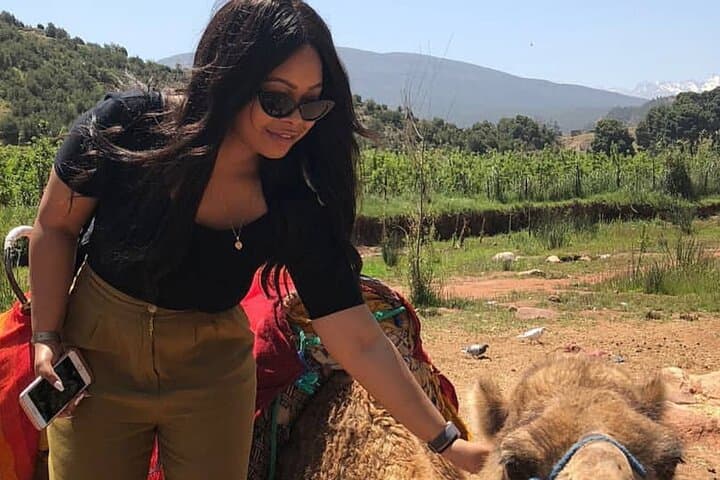
Expect a mix of short walks and a mule ride through Imlil’s hamlet streets, plus off-road driving across the Kik Plateau with wide views of Jebel Toubkal—North Africa’s highest peak. Trails vary from packed dirt to rocky mule paths; elevation at Imlil is ~1,650–1,740 m, so mornings feel crisp.
Practical: wear sturdy walking shoes with good grip, layered clothing for temperature swings, and bring at least 1–2 liters of water. Photography is welcome but ask before shooting people in villages. The itinerary is accessible for most fitness levels but includes uneven surfaces; inform guides of any mobility or health restrictions. Plan for an 8–9 hour day with hotel pickup in Marrakech and basic refreshments provided.
moderate.
8–9 hours.
Suitable for travelers with basic fitness: able to walk 1–3 miles on uneven ground and handle short mule rides; not recommended for serious mobility issues.
Most operators provide hotel pickup in central Marrakech; you’ll confirm a pickup point and approximate time when booking—be ready 10 minutes early.
Mule rides are short and supervised, but those with severe mobility issues, pregnancy, or spinal problems should avoid them—inform the operator beforehand.
Lunch varies by booking; basic tea/coffee and a boxed lunch are commonly provided, while a family-hosted meal may be optional—vegetarian options are usually available if requested in advance.
Yes—on clear days the route offers vantage points with unobstructed views of Jebel Toubkal, but visibility depends on weather and haze.
The High Atlas is home to Amazigh communities with centuries-old agrarian and pastoral traditions; many villages still use traditional irrigation channels (seguias) carved into slopes.
This region faces water stress and fragile soils—stick to established trails, avoid single-use plastics, and support local families through fair purchases to keep tourism sustainable.
Marrakech Outdoor Trips operates guided outdoor trips and adventures with an emphasis on safety, stewardship, and memorable experiences.
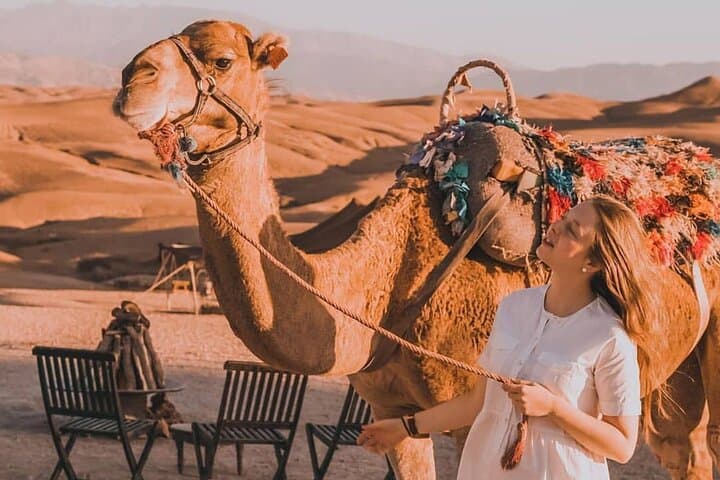
Dust from the Haouz plain lifts as the jeep climbs toward cooler air and the first hints of granite ridges. You arrive at Lalla Takerkoust, its irrigated blue a sudden false calm before the scrubbed moonscape of the Agafay desert and, farther up, the terraced orchards of the High Atlas.
Dust from the Haouz plain lifts as the jeep climbs toward cooler air and the first hints of granite ridges. You arrive at Lalla Takerkoust, its irrigated blue a sudden false calm before the scrubbed moonscape of the Agafay desert and, farther up, the terraced orchards of the High Atlas.
This full-day route threads recent human history and older geology: volcanic and metamorphic rock folded into the Atlas Range over millennia, irrigated for generations by Amazigh (Berber) communities who farm chestnuts, walnuts and cherries on steep terraces. In villages like Aguergour and Tagadirt you’ll meet locals over mint tea, see traditional stone-and-mud houses adapted to summer sun and winter snow, and learn about transhumant practices still visible in seasonal grazing patterns.
Expect a mix of short walks and a mule ride through Imlil’s hamlet streets, plus off-road driving across the Kik Plateau with wide views of Jebel Toubkal—North Africa’s highest peak. Trails vary from packed dirt to rocky mule paths; elevation at Imlil is ~1,650–1,740 m, so mornings feel crisp.
Practical: wear sturdy walking shoes with good grip, layered clothing for temperature swings, and bring at least 1–2 liters of water. Photography is welcome but ask before shooting people in villages. The itinerary is accessible for most fitness levels but includes uneven surfaces; inform guides of any mobility or health restrictions. Plan for an 8–9 hour day with hotel pickup in Marrakech and basic refreshments provided.