THE ADVENTURE COLLECTIVE® · Independent discovery and booking for outdoor travel

Trade Marrakech’s medina for cedar-scented mountain air on a five-hour day trip to Imlil and Kasbah du Toubkal. Hike, ride a mule, and visit Berber villages while learning the geology and culture of the High Atlas.
Trade Marrakech’s medina for cedar-scented mountain air on a five-hour day trip to Imlil and Kasbah du Toubkal. Hike, ride a mule, and visit Berber villages while learning the geology and culture of the High Atlas.
A wind that smells of cedar and dust meets you as the minivan climbs away from Marrakech, the city’s heat folding behind. Within an hour the road narrows and terraces carve themselves into hills; by Imlil the air has thinned and the village sits at roughly 1,800 m, cool and compact, with donkeys moving like low-slung metronomes.
Verified experiences and guided adventures in the surrounding area.
Operated by STE Easy Transfers · Imlil, Marrakesh-Safi
A wind that smells of cedar and dust meets you as the minivan climbs away from Marrakech, the city’s heat folding behind. Within an hour the road narrows and terraces carve themselves into hills; by Imlil the air has thinned and the village sits at roughly 1,800 m, cool and compact, with donkeys moving like low-slung metronomes.
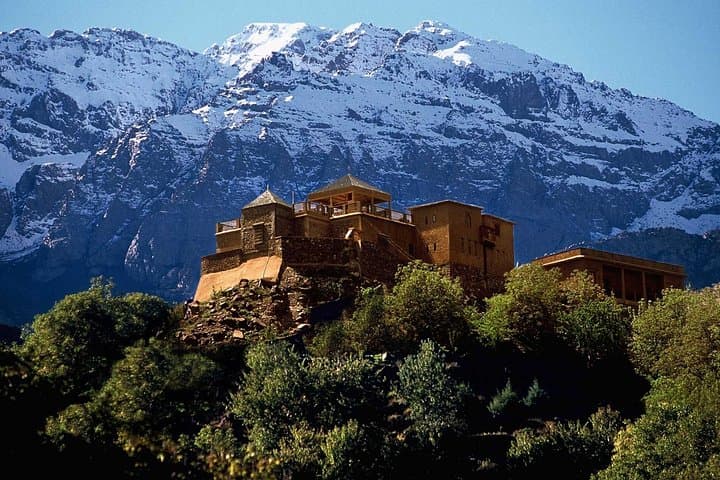
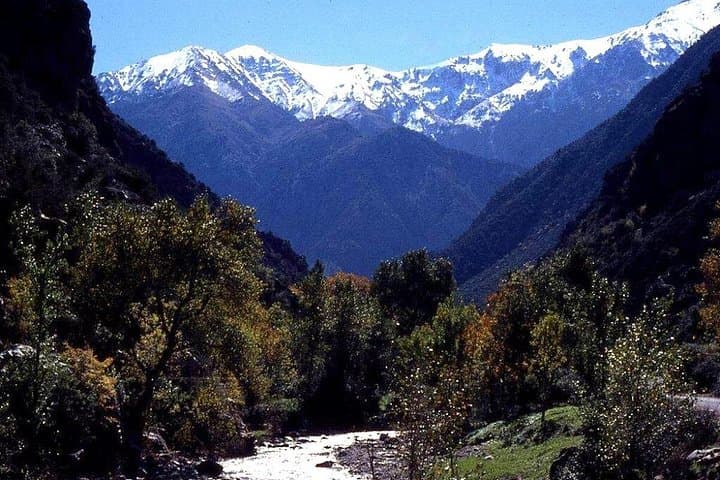
The Atlas Mountains are geological pages of uplifted rock and folded sediment, a spine across northwest Africa that has shaped local Berber culture for millennia. Imlil serves as a practical base for treks and mule rides toward Toubkal — the region’s highest massif — and for visits to Kasbah du Toubkal, a restored guesthouse blending local stonework and carved cedar. The terrain alternates irrigated fields and rocky gullies; seasonal streams dare you to step closer, and terraces push upward toward scree slopes and sun-baked ridgelines.
Expect a program of short hikes, optional mule or horseback segments, and time in mountain villages where Amazigh traditions remain visible in architecture, language and tea culture. Guides interpret trails, negotiate mule logistics and point out geological features and vantage points where the High Atlas opens to sweeping southward views.
Practical: the tour runs about five hours and requires a moderate fitness level — steady footing on uneven tracks and brief elevation changes. Dress in layers, bring sun protection and at least 1–2 liters of water, and allow time for acclimatization to altitude. Mules and horses are common on the steeper paths; if you prefer to hike, clarify that beforehand. The day trip pairs cultural stops with manageable mountain time, a clear introduction to the High Atlas without committing to multi-day logistics.
moderate.
5 hours.
Suitable for travelers with a moderate fitness level comfortable with uneven terrain and short elevation gains
Travel time is typically 1–1.5 hours each way depending on traffic and the exact pickup location in Marrakech.
The tour can suit children and seniors who are reasonably mobile; infants must sit on laps and mule/horse options are available—check with the operator for specifics.
Yes—bring cash for tips, small purchases in village shops, and any optional services; ATMs are limited in mountain villages.
No; summiting Toubkal requires a multi-day, technical ascent. This day tour focuses on Imlil, Kasbah du Toubkal and short hikes or mule rides.
Imlil and surrounding valleys are long-inhabited Amazigh (Berber) communities; kasbah-style guesthouses like Kasbah du Toubkal reinterpret traditional stone and cedar building techniques for visitors.
Trail erosion and overuse are local concerns—stick to established paths, hire local guides to support the economy, and avoid leaving waste in villages.
STE Easy Transfers operates guided outdoor trips and adventures with an emphasis on safety, stewardship, and memorable experiences.
A wind that smells of cedar and dust meets you as the minivan climbs away from Marrakech, the city’s heat folding behind. Within an hour the road narrows and terraces carve themselves into hills; by Imlil the air has thinned and the village sits at roughly 1,800 m, cool and compact, with donkeys moving like low-slung metronomes.
A wind that smells of cedar and dust meets you as the minivan climbs away from Marrakech, the city’s heat folding behind. Within an hour the road narrows and terraces carve themselves into hills; by Imlil the air has thinned and the village sits at roughly 1,800 m, cool and compact, with donkeys moving like low-slung metronomes.
The Atlas Mountains are geological pages of uplifted rock and folded sediment, a spine across northwest Africa that has shaped local Berber culture for millennia. Imlil serves as a practical base for treks and mule rides toward Toubkal — the region’s highest massif — and for visits to Kasbah du Toubkal, a restored guesthouse blending local stonework and carved cedar. The terrain alternates irrigated fields and rocky gullies; seasonal streams dare you to step closer, and terraces push upward toward scree slopes and sun-baked ridgelines.
Expect a program of short hikes, optional mule or horseback segments, and time in mountain villages where Amazigh traditions remain visible in architecture, language and tea culture. Guides interpret trails, negotiate mule logistics and point out geological features and vantage points where the High Atlas opens to sweeping southward views.
Practical: the tour runs about five hours and requires a moderate fitness level — steady footing on uneven tracks and brief elevation changes. Dress in layers, bring sun protection and at least 1–2 liters of water, and allow time for acclimatization to altitude. Mules and horses are common on the steeper paths; if you prefer to hike, clarify that beforehand. The day trip pairs cultural stops with manageable mountain time, a clear introduction to the High Atlas without committing to multi-day logistics.