THE ADVENTURE COLLECTIVE® · Independent discovery and booking for outdoor travel

Swap Marrakech’s bustle for cool mountain air on a full-day trip to Imlil and nearby Berber villages. Hike to Tagartoun Waterfalls, pass walnut groves and enjoy a traditional tagine in a family home.
Swap Marrakech’s bustle for cool mountain air on a full-day trip to Imlil and nearby Berber villages. Hike to Tagartoun Waterfalls, pass walnut groves and enjoy a traditional tagine in a family home.
You leave Marrakech’s ochre heat behind and drive into a different climate: the road climbs, the air cools, and the High Atlas rises like a wall of stone and terraces. By the time you step out in Imlil the valley breathes around you—walnut groves shading a track that heads up toward Toubkal’s lower slopes while a cascade nearby dares you to follow its sound.
Verified experiences and guided adventures in the surrounding area.
Operated by Marrakech Tours · Imlil, Marrakesh-Safi
You leave Marrakech’s ochre heat behind and drive into a different climate: the road climbs, the air cools, and the High Atlas rises like a wall of stone and terraces. By the time you step out in Imlil the valley breathes around you—walnut groves shading a track that heads up toward Toubkal’s lower slopes while a cascade nearby dares you to follow its sound.
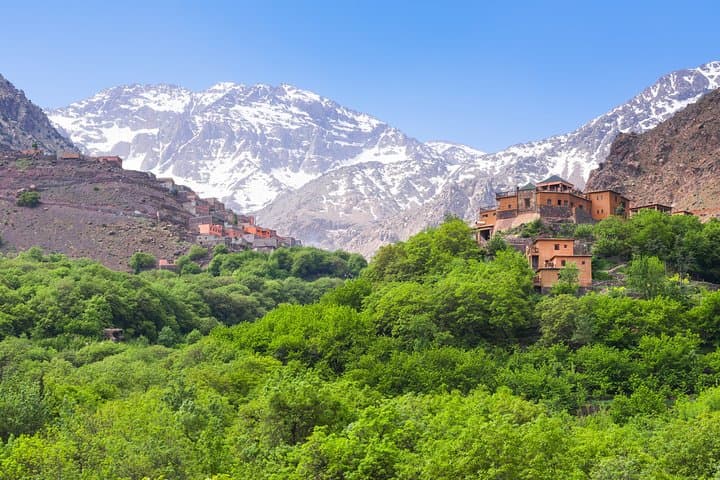
The landscape here is carved from volcanic and sedimentary rock, uplifted by tectonic pressures and incised by seasonal streams. The villages around Imlil and Aremd are predominantly Berber (Amazigh), their houses built from local stone and mortar, with orchards of apples and cherries clinging to the terraces. Small cafés and family homes serve mint tea and tagine; these meals speak to a long tradition of mountain hospitality and livestock-supported agriculture.
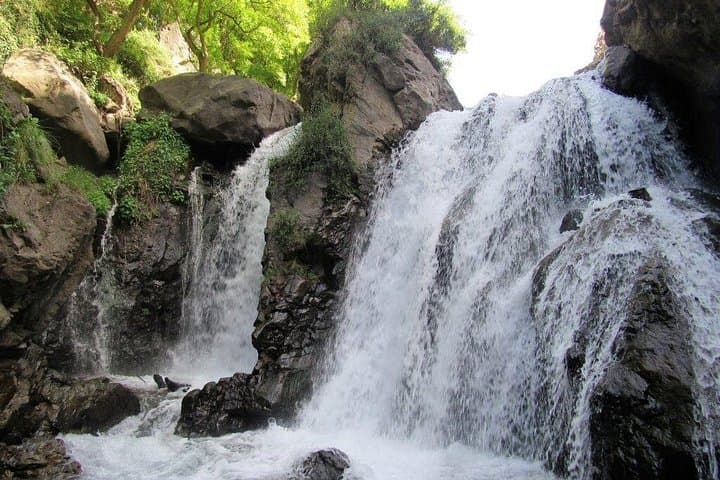
The core walk on this tour is a 1–2 hour valley route that drops to Tagartoun Waterfalls and climbs through walnut trees and rough stone steps to Aremd. Expect several hundred meters of short, uneven ascent/descent on dirt tracks—nothing technical, but boots with grip are advisable. Practical notes: start early to avoid midday heat and crowds, carry at least 1–2 liters of water, and layer for rapid temperature changes once you leave the valley floor. Respect local customs—ask before photographing people—and leave no trace on the fragile terraces.
For day-trippers from Marrakech this route offers accessible mountain scenery, a slice of Berber village life, and a lunch that tastes of slow-cooked flavors and altitude.
easy.
6–7 hours.
Suitable for people comfortable with 1–2 hours of walking on uneven trails; minimal endurance required.
Walking between villages and to the waterfall is typically 1–2 hours total, spread across short uphill and downhill sections.
Yes—routes are non-technical and family-friendly, but expect steps and uneven ground; bring a carrier for infants if needed.
Lunch is usually a traditional Berber tagine in a family home or local café, plus mint tea—vegetarian options are often available if requested.
Tipping is customary; a small tip for the guide and a token for the family hosting lunch is appreciated but voluntary.
The High Atlas is home to Amazigh (Berber) communities with centuries-old agrarian terraces and livestock routes; Imlil has long been a base for Toubkal climbers.
The valleys are ecologically sensitive—stay on trails to protect terraces and orchards, and avoid single-use plastics to reduce waste.
Marrakech Tours operates guided outdoor trips and adventures with an emphasis on safety, stewardship, and memorable experiences.
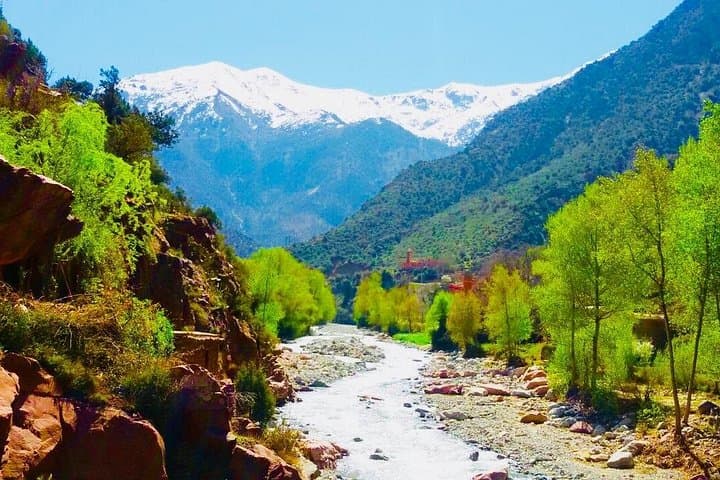
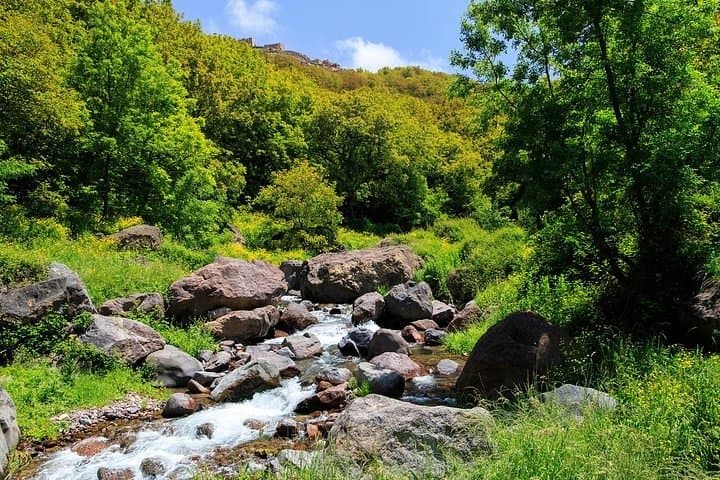
You leave Marrakech’s ochre heat behind and drive into a different climate: the road climbs, the air cools, and the High Atlas rises like a wall of stone and terraces. By the time you step out in Imlil the valley breathes around you—walnut groves shading a track that heads up toward Toubkal’s lower slopes while a cascade nearby dares you to follow its sound.
You leave Marrakech’s ochre heat behind and drive into a different climate: the road climbs, the air cools, and the High Atlas rises like a wall of stone and terraces. By the time you step out in Imlil the valley breathes around you—walnut groves shading a track that heads up toward Toubkal’s lower slopes while a cascade nearby dares you to follow its sound.
The landscape here is carved from volcanic and sedimentary rock, uplifted by tectonic pressures and incised by seasonal streams. The villages around Imlil and Aremd are predominantly Berber (Amazigh), their houses built from local stone and mortar, with orchards of apples and cherries clinging to the terraces. Small cafés and family homes serve mint tea and tagine; these meals speak to a long tradition of mountain hospitality and livestock-supported agriculture.
The core walk on this tour is a 1–2 hour valley route that drops to Tagartoun Waterfalls and climbs through walnut trees and rough stone steps to Aremd. Expect several hundred meters of short, uneven ascent/descent on dirt tracks—nothing technical, but boots with grip are advisable. Practical notes: start early to avoid midday heat and crowds, carry at least 1–2 liters of water, and layer for rapid temperature changes once you leave the valley floor. Respect local customs—ask before photographing people—and leave no trace on the fragile terraces.
For day-trippers from Marrakech this route offers accessible mountain scenery, a slice of Berber village life, and a lunch that tastes of slow-cooked flavors and altitude.