THE ADVENTURE COLLECTIVE® · Independent discovery and booking for outdoor travel

Spend a day in the High Atlas hiking from Imlil to Aroumd, visiting Berber markets and terraces with a local guide. Expect mule paths, steep switchbacks, a 3‑course Berber lunch and panoramic mountain viewpoints.
Spend a day in the High Atlas hiking from Imlil to Aroumd, visiting Berber markets and terraces with a local guide. Expect mule paths, steep switchbacks, a 3‑course Berber lunch and panoramic mountain viewpoints.
You leave Marrakech behind on a winding road that climbs into the High Atlas; the city’s heat peels away and the air sharpens with pine and cold stone. By midmorning the minivan pulls into a patchwork of terraces and low‑stone houses—mules loitering by the trail, local women arranging produce, and mountain silhouettes cutting the sky. The walk from Imlil to Aroumd runs on old mule tracks, switchbacks that rise between walnut orchards and dry‑stone terraces, opening onto a terrace lunch with North Africa’s highest summits looming above.
Verified experiences and guided adventures in the surrounding area.
Operated by Authentic Sahara Tours · Imlil, Marrakech-Safi
You leave Marrakech behind on a winding road that climbs into the High Atlas; the city’s heat peels away and the air sharpens with pine and cold stone. By midmorning the minivan pulls into a patchwork of terraces and low‑stone houses—mules loitering by the trail, local women arranging produce, and mountain silhouettes cutting the sky. The walk from Imlil to Aroumd runs on old mule tracks, switchbacks that rise between walnut orchards and dry‑stone terraces, opening onto a terrace lunch with North Africa’s highest summits looming above.
The villages here are Amazigh (Berber) in culture and lineage, shaped by centuries of mountain agriculture and seasonal grazing. Geologically the High Atlas is young and rugged—granite spires and glacial valleys carved by Pleistocene ice—so expect steep gullies, boulder‑strewn paths and sudden viewpoints. Markets in Asni or Moulay Brahim still mark the week: live wool, fruit, and barter for household staples.
Practical guidance: the full day runs about eight hours door‑to‑door from Marrakech. The guided hike to Aroumd typically climbs a few hundred meters on uneven trails; choose a mule if you prefer less elevation gain. Wear sturdy shoes, bring 1.5–2 L water, sun protection and layers for rapidly changing mountain weather. Travel with local guides to support village economies and follow marked tracks to limit erosion. Timed right—morning departures and off‑peak weekdays—you’ll avoid crowds and catch the market’s rhythm, the best way to meet hosts and leave the mountains as you found them.
moderate.
8 hours.
Moderate fitness: able to handle sustained walking on uneven trails and several hundred meters of ascent; mule option available for less fit participants.
Yes—this itinerary includes a 3‑course Berber lunch, typically served at a terrace or family home in Aroumd.
Yes—mules are an option for the ascent to Aroumd; tell the operator at booking if you prefer a mule ride.
The hike is classified moderate: uneven trails and several hundred meters of ascent; those with spinal or serious heart conditions should consult a doctor and consider the mule option.
Yes—hotel pickup and drop‑off in Marrakech is included, usually from central hotels and riads; confirm your pickup point when booking.
These villages are part of the Amazigh highland network that has farmed the Atlas slopes for centuries, with stone terraces and irrigation channels reflecting long‑standing mountain agriculture.
Stick to established tracks, carry out all trash, and use local guides—tour income supports village economies and reduces pressure to convert grazing land.
Authentic Sahara Tours operates guided outdoor trips and adventures with an emphasis on safety, stewardship, and memorable experiences.
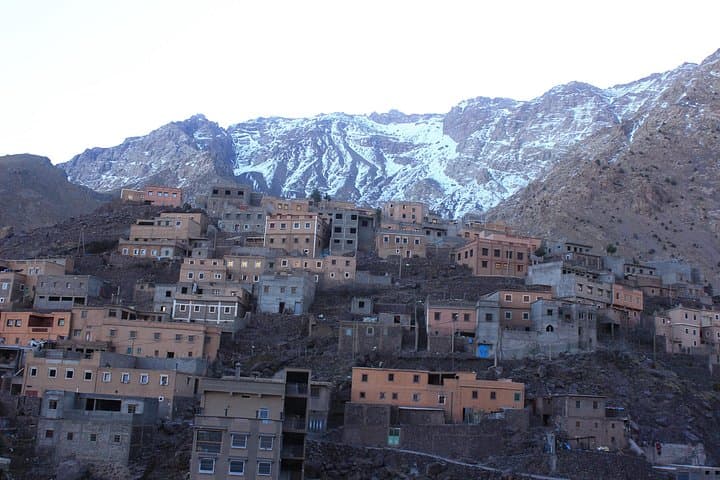
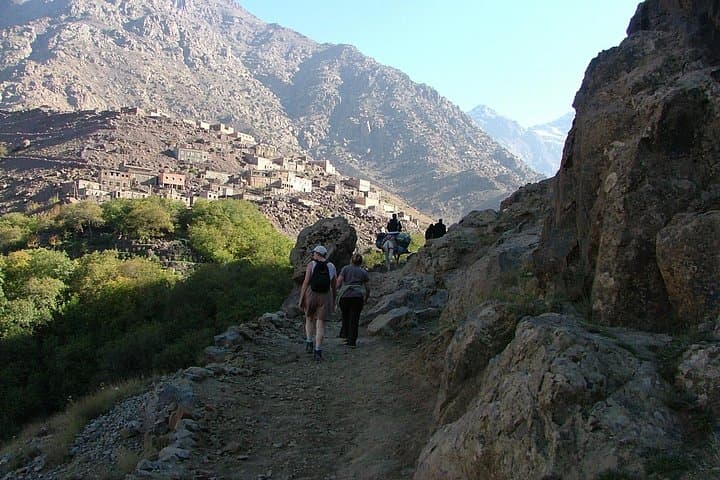
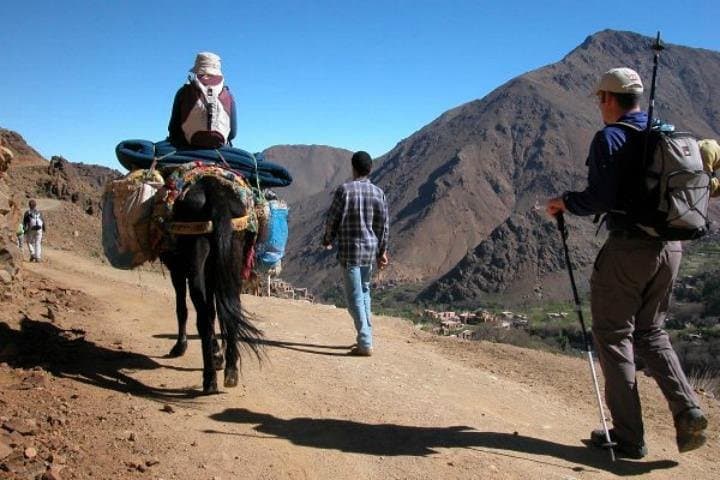
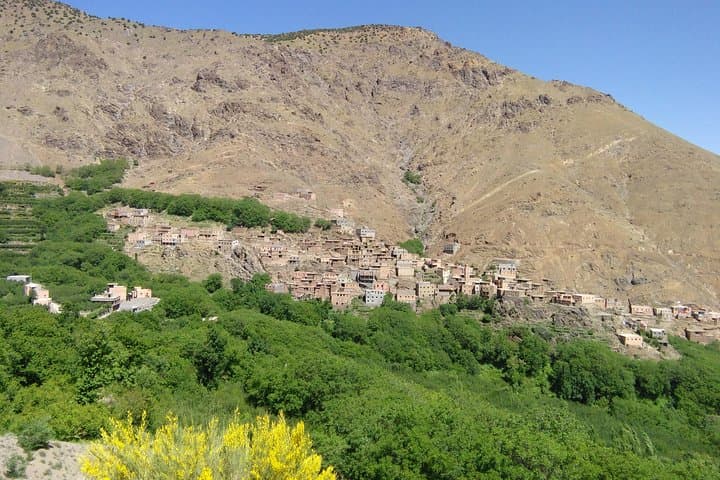
You leave Marrakech behind on a winding road that climbs into the High Atlas; the city’s heat peels away and the air sharpens with pine and cold stone. By midmorning the minivan pulls into a patchwork of terraces and low‑stone houses—mules loitering by the trail, local women arranging produce, and mountain silhouettes cutting the sky. The walk from Imlil to Aroumd runs on old mule tracks, switchbacks that rise between walnut orchards and dry‑stone terraces, opening onto a terrace lunch with North Africa’s highest summits looming above.
You leave Marrakech behind on a winding road that climbs into the High Atlas; the city’s heat peels away and the air sharpens with pine and cold stone. By midmorning the minivan pulls into a patchwork of terraces and low‑stone houses—mules loitering by the trail, local women arranging produce, and mountain silhouettes cutting the sky. The walk from Imlil to Aroumd runs on old mule tracks, switchbacks that rise between walnut orchards and dry‑stone terraces, opening onto a terrace lunch with North Africa’s highest summits looming above.
The villages here are Amazigh (Berber) in culture and lineage, shaped by centuries of mountain agriculture and seasonal grazing. Geologically the High Atlas is young and rugged—granite spires and glacial valleys carved by Pleistocene ice—so expect steep gullies, boulder‑strewn paths and sudden viewpoints. Markets in Asni or Moulay Brahim still mark the week: live wool, fruit, and barter for household staples.
Practical guidance: the full day runs about eight hours door‑to‑door from Marrakech. The guided hike to Aroumd typically climbs a few hundred meters on uneven trails; choose a mule if you prefer less elevation gain. Wear sturdy shoes, bring 1.5–2 L water, sun protection and layers for rapidly changing mountain weather. Travel with local guides to support village economies and follow marked tracks to limit erosion. Timed right—morning departures and off‑peak weekdays—you’ll avoid crowds and catch the market’s rhythm, the best way to meet hosts and leave the mountains as you found them.