THE ADVENTURE COLLECTIVE® · Independent discovery and booking for outdoor travel

Escape Marrakech for a full-day hike into the High Atlas and meet Berber hosts in Imlil. Expect terraced fields, mule paths and a traditional lunch at a local guesthouse—perfect for a culturally rich, moderate mountain walk.
Escape Marrakech for a full-day hike into the High Atlas and meet Berber hosts in Imlil. Expect terraced fields, mule paths and a traditional lunch at a local guesthouse—perfect for a culturally rich, moderate mountain walk.
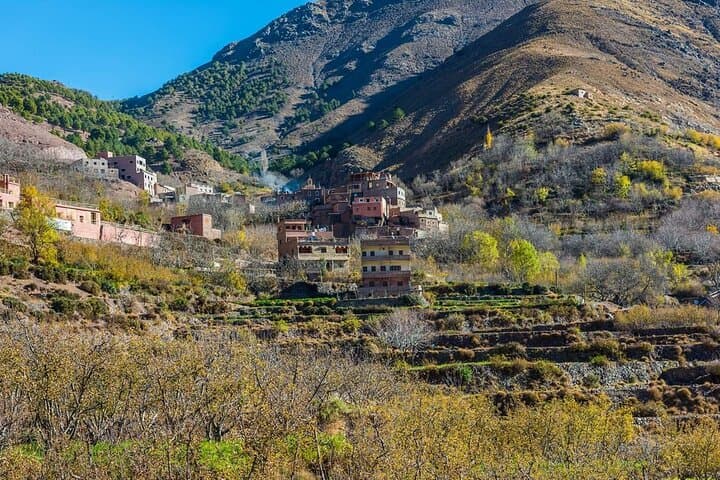
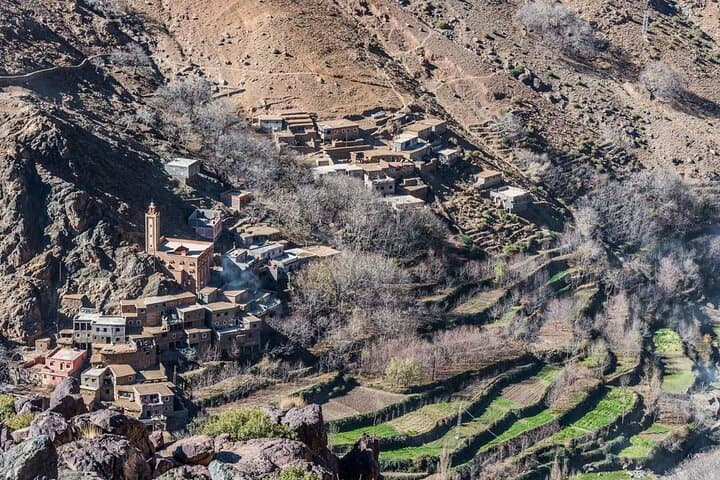
You leave Marrakech before dawn and the city’s heat peels away as the road climbs toward the High Atlas. By the time the minibus rounds the last olive terrace, the mountains are already at work—peaks sizing you up, gullies daring you to follow. The walk begins in Imlil, a compact village framed by terraced fields and mule tracks that funnel into narrower, rock-strewn trails.
Verified experiences and guided adventures in the surrounding area.
Operated by Morocco Tours Toubkal Trek · Imlil, Marrakesh-Safi
You leave Marrakech before dawn and the city’s heat peels away as the road climbs toward the High Atlas. By the time the minibus rounds the last olive terrace, the mountains are already at work—peaks sizing you up, gullies daring you to follow. The walk begins in Imlil, a compact village framed by terraced fields and mule tracks that funnel into narrower, rock-strewn trails.
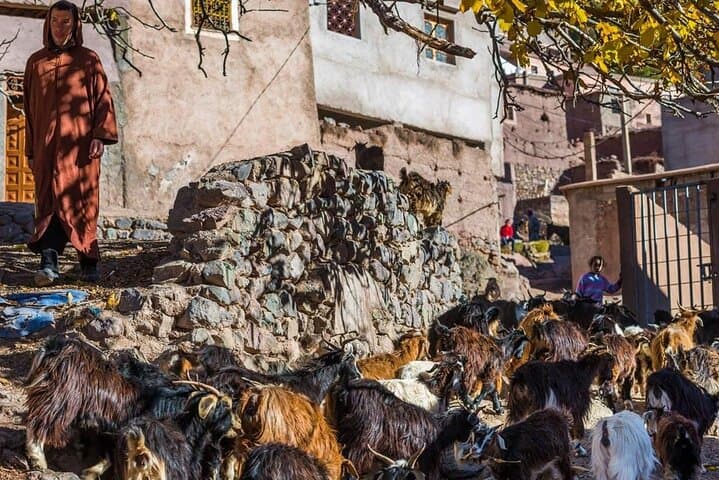
This region has been inhabited by Amazigh (Berber) communities for centuries; the stone houses and stepped fields reflect a practical mountain culture shaped by seasonal snowmelt and dry summers. Geologically, the High Atlas is young and rugged, carved by torrents and uplifted plate collisions, so expect hard-packed dirt, loose scree on steeper pitches, and sections where shepherds’ tracks cut through almond orchards.
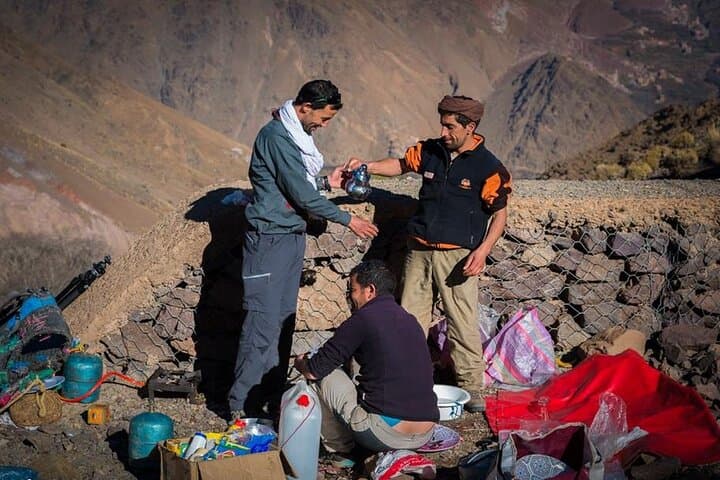
Culturally, a midday stop at a guesthouse is more than a meal—it's conversation, mint tea poured insistently, and a chance to see daily life in a mountain village. Locals will point out irrigation channels, terrace repairs and traditional crafts.
Practically: the full-day outing from Marrakech runs 7–9 hours including drives (roughly 60–75 km each way). Typical walking distances for guided day routes range 6–10 km with cumulative elevation gain around 300–700 m depending on chosen loop. Trails are well marked but uneven; sturdy boots and layered clothing matter. Bring 1.5–2 L water, sun protection and some cash for a tea or tip. Start early to avoid midday heat, move at a steady pace on loose sections, and respect private farmland—this trip blends cultural exchange with straightforward mountain walking.
moderate.
7–9 hours (including drives).
Suitable for people who can walk 6–10 km on uneven terrain with some uphill sections; basic endurance required.
The road distance is about 60–75 km and usually takes 1–1.5 hours each way depending on traffic.
The route is family-friendly if participants are comfortable walking several hours with some uphill; disclose mobility issues when booking for alternatives.
A traditional Berber lunch at a local guesthouse is included; bring your own water or verify if water is provided during the hike.
A local guide is included on this tour—guides handle navigation, cultural introductions, and logistics, which is valuable in remote and private village areas.
The High Atlas has long been home to Amazigh (Berber) communities whose terrace agriculture and stone homes reflect centuries of adaptation to alpine conditions.
Trails can suffer erosion and litter; use local guides who support community incomes and follow Leave No Trace practices to minimize impact.
Morocco Tours Toubkal Trek operates guided outdoor trips and adventures with an emphasis on safety, stewardship, and memorable experiences.
You leave Marrakech before dawn and the city’s heat peels away as the road climbs toward the High Atlas. By the time the minibus rounds the last olive terrace, the mountains are already at work—peaks sizing you up, gullies daring you to follow. The walk begins in Imlil, a compact village framed by terraced fields and mule tracks that funnel into narrower, rock-strewn trails.
You leave Marrakech before dawn and the city’s heat peels away as the road climbs toward the High Atlas. By the time the minibus rounds the last olive terrace, the mountains are already at work—peaks sizing you up, gullies daring you to follow. The walk begins in Imlil, a compact village framed by terraced fields and mule tracks that funnel into narrower, rock-strewn trails.
This region has been inhabited by Amazigh (Berber) communities for centuries; the stone houses and stepped fields reflect a practical mountain culture shaped by seasonal snowmelt and dry summers. Geologically, the High Atlas is young and rugged, carved by torrents and uplifted plate collisions, so expect hard-packed dirt, loose scree on steeper pitches, and sections where shepherds’ tracks cut through almond orchards.
Culturally, a midday stop at a guesthouse is more than a meal—it's conversation, mint tea poured insistently, and a chance to see daily life in a mountain village. Locals will point out irrigation channels, terrace repairs and traditional crafts.
Practically: the full-day outing from Marrakech runs 7–9 hours including drives (roughly 60–75 km each way). Typical walking distances for guided day routes range 6–10 km with cumulative elevation gain around 300–700 m depending on chosen loop. Trails are well marked but uneven; sturdy boots and layered clothing matter. Bring 1.5–2 L water, sun protection and some cash for a tea or tip. Start early to avoid midday heat, move at a steady pace on loose sections, and respect private farmland—this trip blends cultural exchange with straightforward mountain walking.