THE ADVENTURE COLLECTIVE® · Independent discovery and booking for outdoor travel

Escape Marrakech for a day to walk through Berber villages, photograph Oukaimden's peaks and relax by a tucked waterfall. This accessible Imlil day trip pairs easy trails with a home-cooked mountain lunch.
Escape Marrakech for a day to walk through Berber villages, photograph Oukaimden's peaks and relax by a tucked waterfall. This accessible Imlil day trip pairs easy trails with a home-cooked mountain lunch.
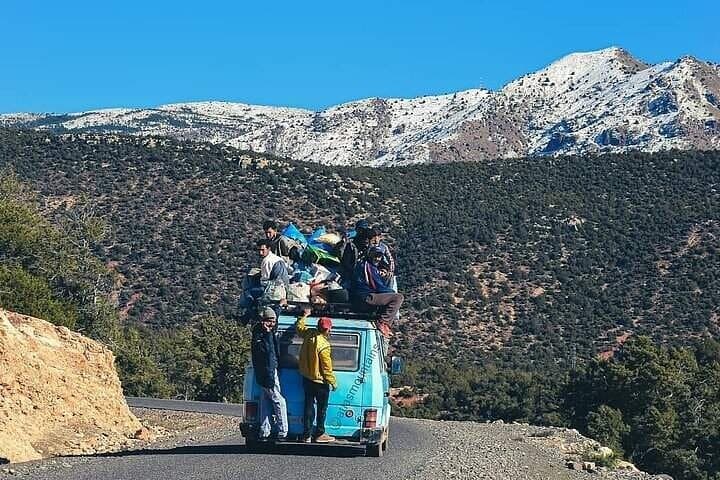
You step out of Marrakech's dry, ochre heat into a cooler valley where the High Atlas rises like an abrupt spine. The road tightens, olive terraces and stone houses slide past, and soon Imlil’s narrow lanes open onto a straightforward walk through terraced fields and small Berber hamlets.
Verified experiences and guided adventures in the surrounding area.
Operated by Marrakesh Day Tours · Imlil, Marrakesh-Safi
You step out of Marrakech's dry, ochre heat into a cooler valley where the High Atlas rises like an abrupt spine. The road tightens, olive terraces and stone houses slide past, and soon Imlil’s narrow lanes open onto a straightforward walk through terraced fields and small Berber hamlets.
The High Atlas is geologically young—folded limestone and volcanic intrusions pushed up by tectonic pressure—so gullied ravines and sudden peaks define the terrain. The Amazigh (Berber) people have farmed these slopes for centuries; village cooperatives still produce argan oil, honey, and handwoven textiles you’ll see at a family home where lunch is prepared over a wood stove.
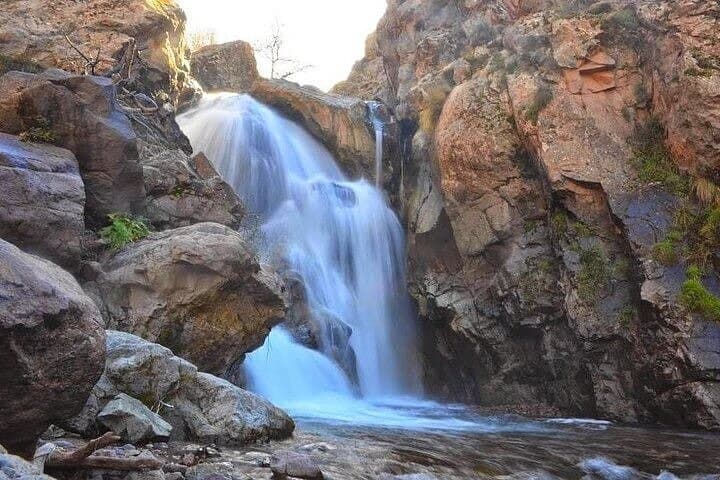
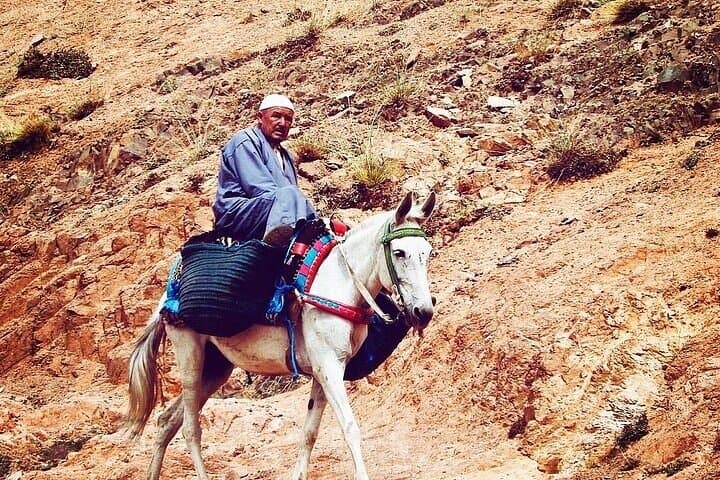
Culturally, the route is a living workshop: mule tracks, stone irrigation channels and muleteer calls punctuate the walk. Midway the guide will lead to a tucked waterfall—small, clear, and surprisingly loud against the quiet plateau.
Practical guidance: expect 3–4 hours of easy walking on dirt tracks and paved village lanes with modest elevation change; shoes with grip and adjustable layers are smart. Start early to avoid the valley heat and allow time for photos at the Oukaimden viewpoint and the Asni market if it’s a Saturday. Carry water, sun protection and some small cash for cooperative stalls. If snow dusts the higher passes in winter, the valley path remains accessible but cooler—pack warmer layers.
This is a day of steady, sensory travel: village life, mountain air and a short, rewarding hike that pairs culture with accessible alpine scenery.
moderate.
6–7 hours.
Light to moderate fitness; able to walk 3–5 miles on uneven ground and climb short stone steps.
No—walks are described as gentle and suitable for most fitness levels; you should be comfortable walking a few hours with short climbs.
Yes—pickup and drop-off from riads or hotels in Marrakech is offered for convenience.
If your trip falls on a Saturday the itinerary often includes the weekly Asni market; otherwise you may still stop at Asni for views and photos.
Lunch is cooked in a family home and can usually accommodate dietary requests if arranged in advance—note special requirements when booking.
The High Atlas has been inhabited by Amazigh communities for millennia; mule tracks and irrigation channels reflect longstanding mountain agriculture and seasonal transhumance.
Stick to trails, avoid single-use plastics, and favor purchases from local cooperatives to support community-led conservation and reduce visitor impact.
Marrakesh Day Tours operates guided outdoor trips and adventures with an emphasis on safety, stewardship, and memorable experiences.

You step out of Marrakech's dry, ochre heat into a cooler valley where the High Atlas rises like an abrupt spine. The road tightens, olive terraces and stone houses slide past, and soon Imlil’s narrow lanes open onto a straightforward walk through terraced fields and small Berber hamlets.
You step out of Marrakech's dry, ochre heat into a cooler valley where the High Atlas rises like an abrupt spine. The road tightens, olive terraces and stone houses slide past, and soon Imlil’s narrow lanes open onto a straightforward walk through terraced fields and small Berber hamlets.
The High Atlas is geologically young—folded limestone and volcanic intrusions pushed up by tectonic pressure—so gullied ravines and sudden peaks define the terrain. The Amazigh (Berber) people have farmed these slopes for centuries; village cooperatives still produce argan oil, honey, and handwoven textiles you’ll see at a family home where lunch is prepared over a wood stove.
Culturally, the route is a living workshop: mule tracks, stone irrigation channels and muleteer calls punctuate the walk. Midway the guide will lead to a tucked waterfall—small, clear, and surprisingly loud against the quiet plateau.
Practical guidance: expect 3–4 hours of easy walking on dirt tracks and paved village lanes with modest elevation change; shoes with grip and adjustable layers are smart. Start early to avoid the valley heat and allow time for photos at the Oukaimden viewpoint and the Asni market if it’s a Saturday. Carry water, sun protection and some small cash for cooperative stalls. If snow dusts the higher passes in winter, the valley path remains accessible but cooler—pack warmer layers.
This is a day of steady, sensory travel: village life, mountain air and a short, rewarding hike that pairs culture with accessible alpine scenery.