THE ADVENTURE COLLECTIVE® · Independent discovery and booking for outdoor travel

A day trip from Marrakech to Imlil delivers mountain trails, Berber hospitality, and Toubkal views in one practical outing. Expect a 1–1.5 hour drive, guided village walks or moderate hikes, and a traditional lunch before returning at dusk.
A day trip from Marrakech to Imlil delivers mountain trails, Berber hospitality, and Toubkal views in one practical outing. Expect a 1–1.5 hour drive, guided village walks or moderate hikes, and a traditional lunch before returning at dusk.
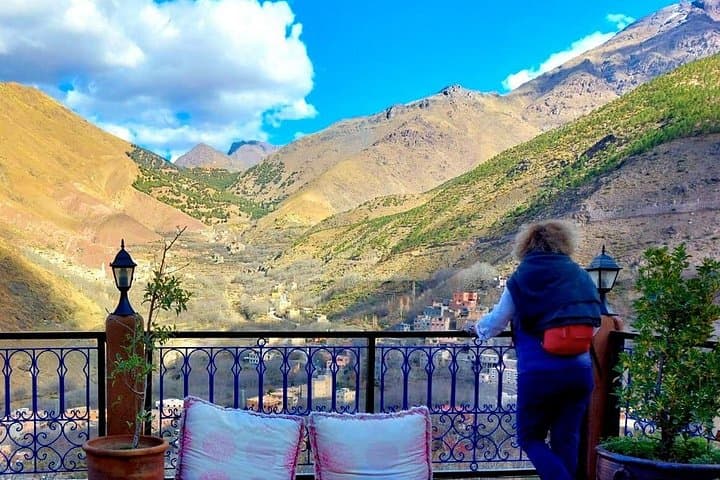
You leave Marrakech while the city’s ochre walls shrink behind you, trading traffic for a corridor of olive groves and stone terraces as the High Atlas rises ahead. An hour to an hour and a half of winding road brings you to Imlil, a mountain village sitting around 1,740 meters where mule tracks and sunbaked paths meet the lower flanks of the Toubkal massif.
Verified experiences and guided adventures in the surrounding area.
Operated by Sunny Morocco · Imlil, Marrakech-Safi
You leave Marrakech while the city’s ochre walls shrink behind you, trading traffic for a corridor of olive groves and stone terraces as the High Atlas rises ahead. An hour to an hour and a half of winding road brings you to Imlil, a mountain village sitting around 1,740 meters where mule tracks and sunbaked paths meet the lower flanks of the Toubkal massif.
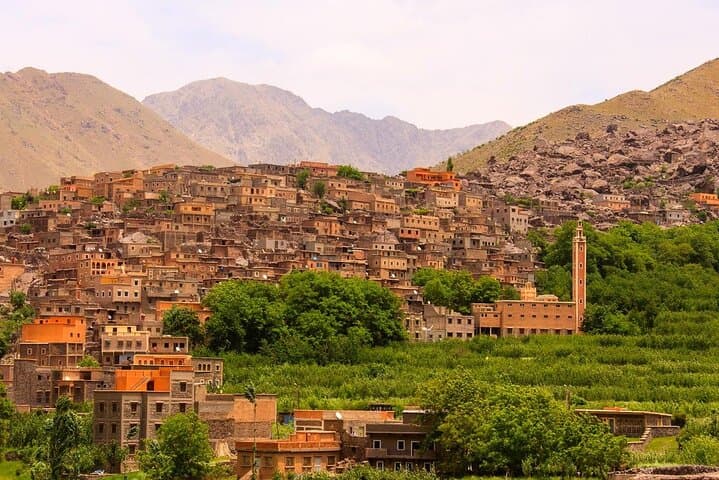
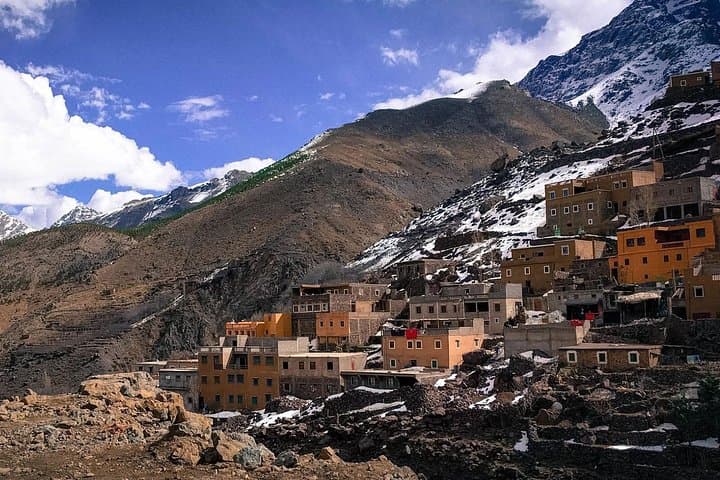
Imlil’s houses are Berber-built—stacked stone, flat roofs—and the valley’s geology shows the Atlas’s long struggle: uplifted metamorphic and granitic beds carved by winter snows and summer streams. Local guides will stitch history and culture into the route—talk of seasonal transhumance, clan farms, and the village’s role as a base for summit attempts on Toubkal.
Choose a short walk to Aremd or a longer trek toward Sidi Chamharouch; expect 2–4 hours of hiking on trails that range from compact dirt to loose scree, with elevation changes typically between 200–600 meters depending on the route. The air feels sharp and dry; the river below dares you to cross at the stone fords, and terraced fields lean into the slope like held breath.
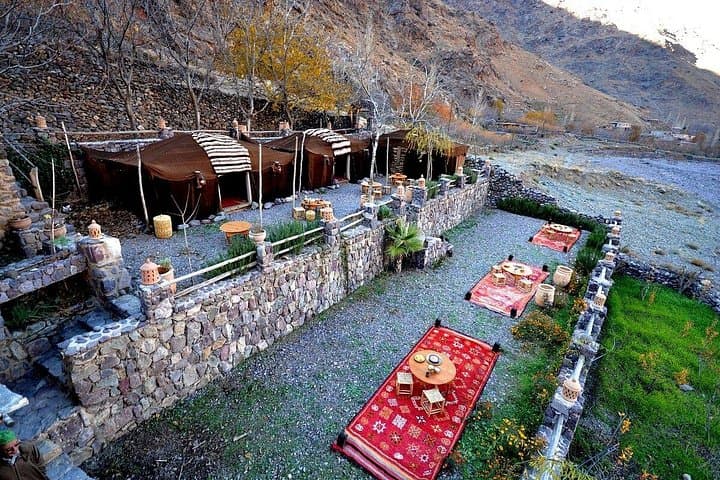
Plan for sun and sudden wind: closed-toe hiking shoes, layered clothing, and 1–2 liters of water are sensible. Carry small-denomination dirhams for tea and tips, and allow time to sit in a family-run home for a tagine lunch. Respect private plots and shepherds’ routes, and book a local licensed guide to get the most from the landscape and culture before returning to Marrakech at dusk.
moderate.
6–8 hours (including transport).
Suitable for travelers who can handle several hours of walking and short uphill sections; basic cardiovascular fitness recommended
Plan on about 1 to 1.5 hours each way depending on traffic and road conditions—drivers usually take the A3 then the local mountain road through Asni.
Yes—there are easier village walks with minimal elevation gain; discuss ability with the guide to tailor the route and pace.
A local guide is recommended: they navigate trails, translate with locals, and provide cultural context; many operators include one in the price.
Most tours include a traditional Moroccan lunch; bring snacks, sunscreen, and any personal medications—carry small bills for additional purchases.
Imlil has long been a Berber agricultural hub and gateway for climbers; trails here follow historic pack routes used for seasonal trade and shepherding.
Erosion and overgrazing are local concerns; stick to established trails, limit single-use plastics, and support licensed local guides and family businesses.
Sunny Morocco operates guided outdoor trips and adventures with an emphasis on safety, stewardship, and memorable experiences.
You leave Marrakech while the city’s ochre walls shrink behind you, trading traffic for a corridor of olive groves and stone terraces as the High Atlas rises ahead. An hour to an hour and a half of winding road brings you to Imlil, a mountain village sitting around 1,740 meters where mule tracks and sunbaked paths meet the lower flanks of the Toubkal massif.
You leave Marrakech while the city’s ochre walls shrink behind you, trading traffic for a corridor of olive groves and stone terraces as the High Atlas rises ahead. An hour to an hour and a half of winding road brings you to Imlil, a mountain village sitting around 1,740 meters where mule tracks and sunbaked paths meet the lower flanks of the Toubkal massif.
Imlil’s houses are Berber-built—stacked stone, flat roofs—and the valley’s geology shows the Atlas’s long struggle: uplifted metamorphic and granitic beds carved by winter snows and summer streams. Local guides will stitch history and culture into the route—talk of seasonal transhumance, clan farms, and the village’s role as a base for summit attempts on Toubkal.
Choose a short walk to Aremd or a longer trek toward Sidi Chamharouch; expect 2–4 hours of hiking on trails that range from compact dirt to loose scree, with elevation changes typically between 200–600 meters depending on the route. The air feels sharp and dry; the river below dares you to cross at the stone fords, and terraced fields lean into the slope like held breath.
Plan for sun and sudden wind: closed-toe hiking shoes, layered clothing, and 1–2 liters of water are sensible. Carry small-denomination dirhams for tea and tips, and allow time to sit in a family-run home for a tagine lunch. Respect private plots and shepherds’ routes, and book a local licensed guide to get the most from the landscape and culture before returning to Marrakech at dusk.