THE ADVENTURE COLLECTIVE® · Independent discovery and booking for outdoor travel

Leave the city for a day of mountain trails, Berber villages, and river-strewn valleys. This Imlil excursion blends a moderate hike to waterfalls with hands-on cultural encounters and artisan visits just an hour from Marrakech.
Leave the city for a day of mountain trails, Berber villages, and river-strewn valleys. This Imlil excursion blends a moderate hike to waterfalls with hands-on cultural encounters and artisan visits just an hour from Marrakech.
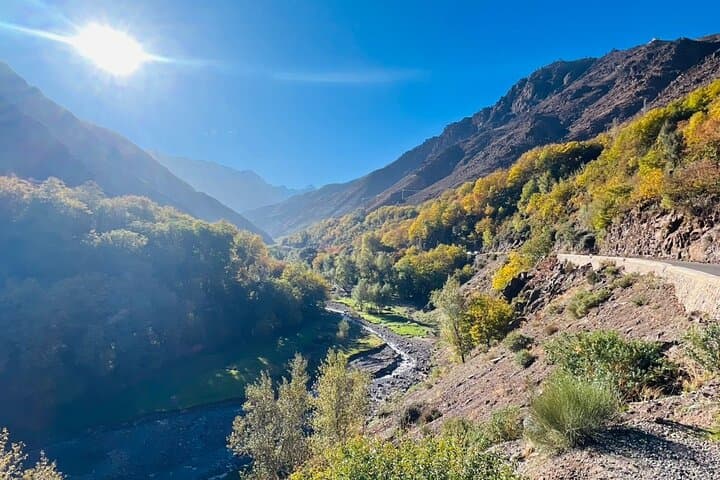
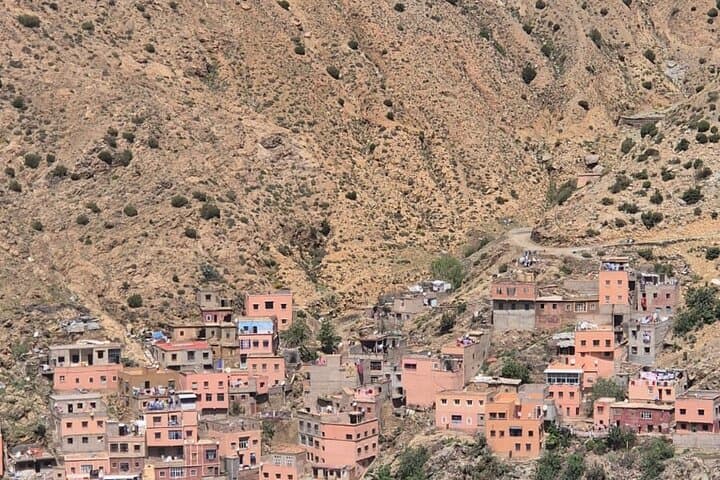
A dust-sweet wind carries the road out of Marrakech and climbs toward the High Atlas, where the day unfolds between stone houses and walnut groves. Travelers arrive into narrow lanes flanked by flat-roofed Berber homes, the mountains watching like slow-moving tides. The route threads past argan cooperatives and craft workshops before settling into a valley of terraced fields and rushing streams.
Verified experiences and guided adventures in the surrounding area.
Operated by Amlal Desert Tours · Imlil, Marrakesh-Safi
A dust-sweet wind carries the road out of Marrakech and climbs toward the High Atlas, where the day unfolds between stone houses and walnut groves. Travelers arrive into narrow lanes flanked by flat-roofed Berber homes, the mountains watching like slow-moving tides. The route threads past argan cooperatives and craft workshops before settling into a valley of terraced fields and rushing streams.
The landscape here is young mountains of folded limestone and volcanic intrusions, cut by winter runoff that gives life to orchards and waterfalls. The local Amazigh (Berber) communities have farmed these slopes for generations; their stacked stone architecture and tile-less granaries reflect a pragmatic response to steep terrain and a long history of transhumance. Artisans still weave carpets, press argan, and share recipes based on local medicinal herbs.
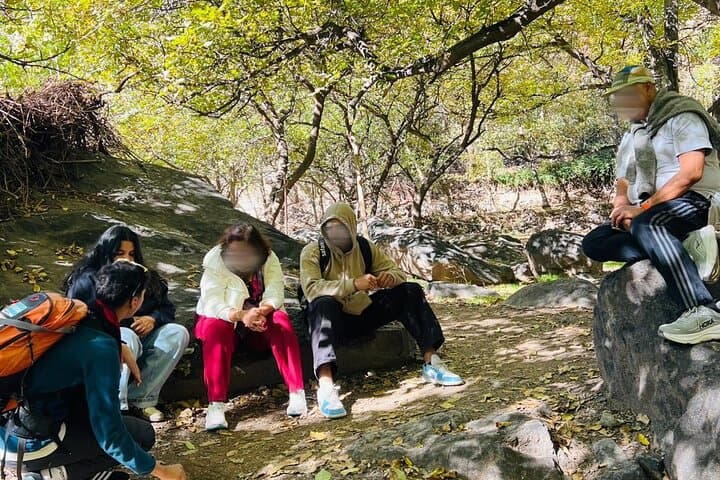
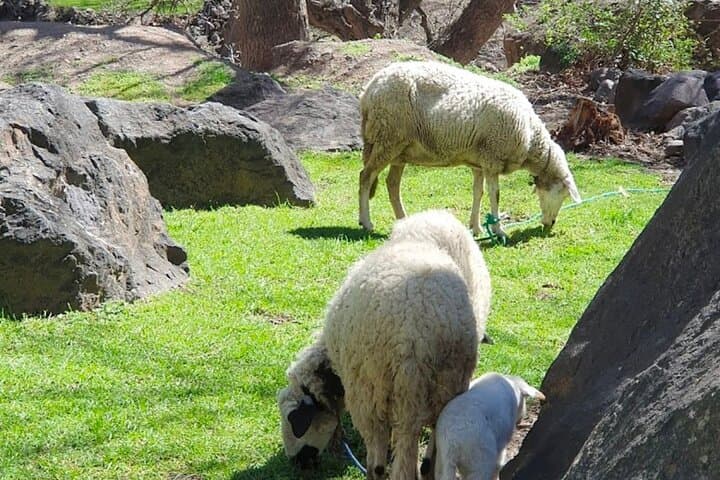
On foot, expect a moderate walk—typically 2–6 km with 200–400 m of elevation change—on mixed dirt trails and village paths. The Setti Fatma cascades invite short detours and riverside breaks; mountain animals like grazing goats and spirited local dogs are part of the rhythm. Guides introduce customs, show medicinal plants, and point out panoramic viewpoints across the valley to Jebel Toubkal ridgelines.
Practicalities: wear sturdy shoes with good traction, bring 1–2 liters of water, sun protection, and a light layer for changing mountain temperatures. Be respectful when photographing people, support local cooperatives if you buy, and allow time for traffic returning to Marrakech—the drive takes roughly 1–1.5 hours each way depending on stopovers. This day trip pairs cultural insight with accessible hiking, ideal for travelers who want mountain scenery without multi-day logistics.
moderate.
6–8 hours.
Light to moderate fitness—comfortable walking for several hours and negotiating uneven terrain.
The drive to the High Atlas valleys is about 45–90 minutes depending on traffic and whether the itinerary stops at argan cooperatives or viewpoints.
Yes—most sections are family-friendly, but uneven footing and short climbs mean supervision for young children and a moderate pace for older travelers is recommended.
Lunch is often offered in a riverside restaurant but may not be included; check the booking details and expect local dishes like tagine or bread-based meals.
A local guide enhances cultural context, navigates village trails, and arranges introductions with artisans—recommended for the full experience.
Amazigh communities have farmed the High Atlas slopes for centuries; stone terraces and village layouts reflect traditional land use and seasonal herding patterns.
Tourism supports local cooperatives but increases pressure on water and trails—use refillable bottles, stay on paths, and buy local crafts to support sustainable incomes.
Amlal Desert Tours operates guided outdoor trips and adventures with an emphasis on safety, stewardship, and memorable experiences.
A dust-sweet wind carries the road out of Marrakech and climbs toward the High Atlas, where the day unfolds between stone houses and walnut groves. Travelers arrive into narrow lanes flanked by flat-roofed Berber homes, the mountains watching like slow-moving tides. The route threads past argan cooperatives and craft workshops before settling into a valley of terraced fields and rushing streams.
A dust-sweet wind carries the road out of Marrakech and climbs toward the High Atlas, where the day unfolds between stone houses and walnut groves. Travelers arrive into narrow lanes flanked by flat-roofed Berber homes, the mountains watching like slow-moving tides. The route threads past argan cooperatives and craft workshops before settling into a valley of terraced fields and rushing streams.
The landscape here is young mountains of folded limestone and volcanic intrusions, cut by winter runoff that gives life to orchards and waterfalls. The local Amazigh (Berber) communities have farmed these slopes for generations; their stacked stone architecture and tile-less granaries reflect a pragmatic response to steep terrain and a long history of transhumance. Artisans still weave carpets, press argan, and share recipes based on local medicinal herbs.
On foot, expect a moderate walk—typically 2–6 km with 200–400 m of elevation change—on mixed dirt trails and village paths. The Setti Fatma cascades invite short detours and riverside breaks; mountain animals like grazing goats and spirited local dogs are part of the rhythm. Guides introduce customs, show medicinal plants, and point out panoramic viewpoints across the valley to Jebel Toubkal ridgelines.
Practicalities: wear sturdy shoes with good traction, bring 1–2 liters of water, sun protection, and a light layer for changing mountain temperatures. Be respectful when photographing people, support local cooperatives if you buy, and allow time for traffic returning to Marrakech—the drive takes roughly 1–1.5 hours each way depending on stopovers. This day trip pairs cultural insight with accessible hiking, ideal for travelers who want mountain scenery without multi-day logistics.