THE ADVENTURE COLLECTIVE® · Independent discovery and booking for outdoor travel

Escape Marrakech for a day in the High Atlas: village walks, a traditional Berber lunch by the wadi, and views toward Toubkal. This guided day trip mixes short hikes with cultural visits and market stops in Asni.
Escape Marrakech for a day in the High Atlas: village walks, a traditional Berber lunch by the wadi, and views toward Toubkal. This guided day trip mixes short hikes with cultural visits and market stops in Asni.
A pale road leaves Marrakech’s palm groves and climbs into a different climate: the craggy folds of the High Atlas. By midmorning the air cools and stone houses appear on the slopes; terraces step down toward a wadi that, for the day, dares you to slow your pace. The village of Imlil sits at roughly 1,700–1,800 m beneath Mount Toubkal’s granite shoulders, a practical base for short treks and an introduction to Berber life.
Verified experiences and guided adventures in the surrounding area.
Operated by Typique Tours · Imlil, Marrakech-Safi
A pale road leaves Marrakech’s palm groves and climbs into a different climate: the craggy folds of the High Atlas. By midmorning the air cools and stone houses appear on the slopes; terraces step down toward a wadi that, for the day, dares you to slow your pace. The village of Imlil sits at roughly 1,700–1,800 m beneath Mount Toubkal’s granite shoulders, a practical base for short treks and an introduction to Berber life.
Geology here is raw—folded schist and volcanic intrusions shaped by millions of years of uplift—while human history reads in irrigation channels and dry-stone walls. Local guides point out the old kasbah, explain seasonal cropping, and invite visitors into family homes for a tea ceremony and a riverside lunch. Markets in nearby Asni spill color onto the road on market days and provide a glimpse of traditional trade routes that once linked mountain and plain.
Practical guidance: this is a full-day, 8–9 hour outing that mixes short village walks (2–6 km total of easy to moderate paths) with time in the vehicle; expect uneven stone tracks and occasional steep pitches. Bring sturdy footwear and a windproof layer for afternoon valley breezes; sun protection is essential at altitude. Hydrate early and carry snacks if you have a long day of walking planned. Tours are family-friendly and suited to a wide range of fitness levels, but those with serious heart conditions should avoid strenuous stretches. Plan for a late return to Marrakech and reserve camera batteries—the light on the plateaus sharpens fast.
moderate.
8–9 hours.
Suitable for most travelers with basic fitness; expect short uphill sections and uneven terrain so cardiovascular steadiness and stable footing are helpful.
The drive is about 60–75 km and typically takes 1.5–2 hours each way depending on traffic and road conditions.
Walks are generally short and classified easy to moderate—stone tracks and brief uphill sections—but they can be uneven; good footwear is recommended.
Yes; the tour includes a traditional Berber lunch and tea ceremony, usually served family-style near the wadi with local breads, tagine, and salads.
Yes—this excursion is family-friendly and noted as suitable for a wide range of fitness levels, though travelers with serious cardiovascular issues are advised not to participate.
The High Atlas has long been home to Amazigh (Berber) communities whose terraces, kasbahs, and irrigation channels reflect centuries of mountain agriculture and trans-Atlas trade.
Water is scarce seasonally and trails can erode from heavy foot traffic—support local guides, carry out waste, and stick to paths to reduce impact.
Typique Tours operates guided outdoor trips and adventures with an emphasis on safety, stewardship, and memorable experiences.
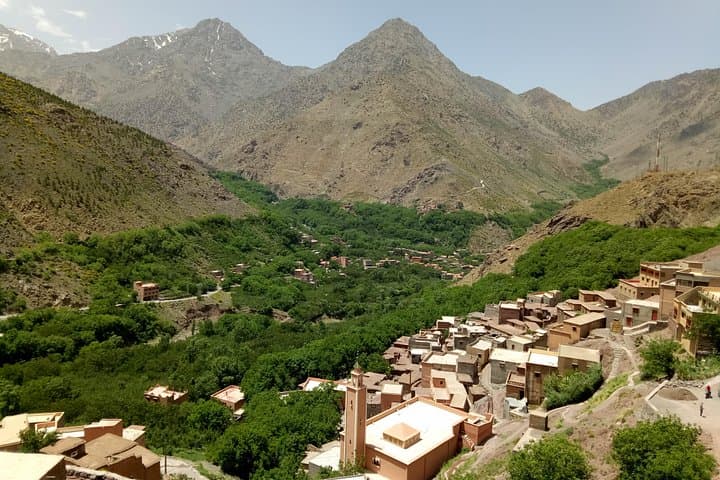
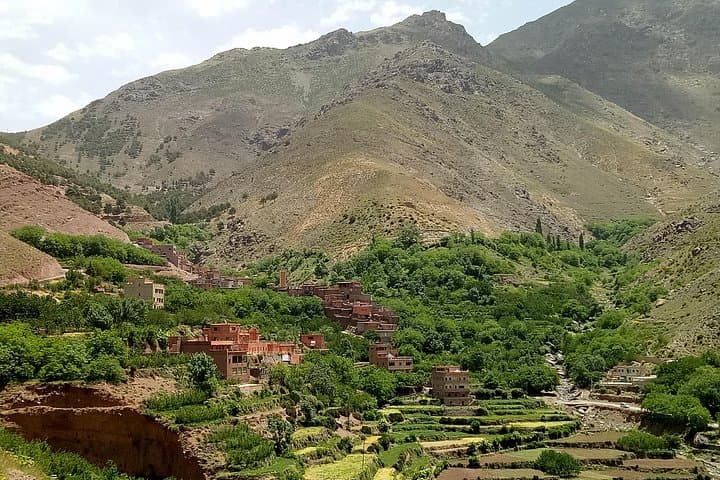
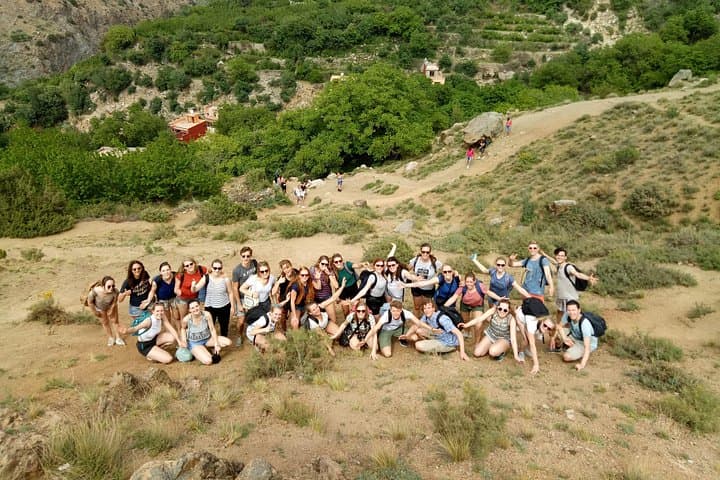
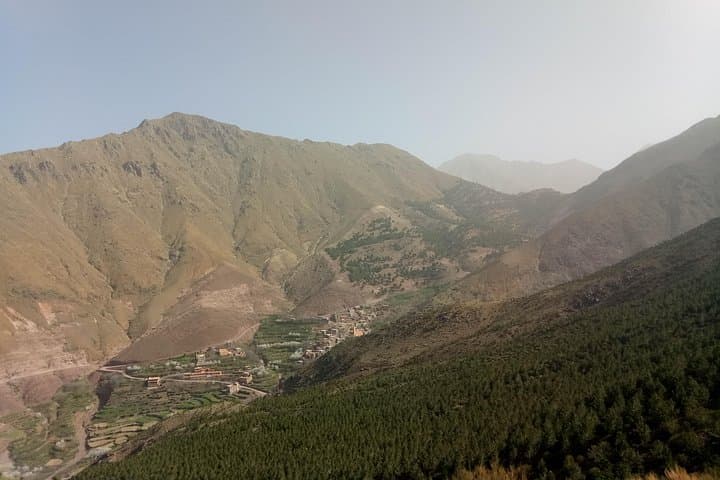
A pale road leaves Marrakech’s palm groves and climbs into a different climate: the craggy folds of the High Atlas. By midmorning the air cools and stone houses appear on the slopes; terraces step down toward a wadi that, for the day, dares you to slow your pace. The village of Imlil sits at roughly 1,700–1,800 m beneath Mount Toubkal’s granite shoulders, a practical base for short treks and an introduction to Berber life.
A pale road leaves Marrakech’s palm groves and climbs into a different climate: the craggy folds of the High Atlas. By midmorning the air cools and stone houses appear on the slopes; terraces step down toward a wadi that, for the day, dares you to slow your pace. The village of Imlil sits at roughly 1,700–1,800 m beneath Mount Toubkal’s granite shoulders, a practical base for short treks and an introduction to Berber life.
Geology here is raw—folded schist and volcanic intrusions shaped by millions of years of uplift—while human history reads in irrigation channels and dry-stone walls. Local guides point out the old kasbah, explain seasonal cropping, and invite visitors into family homes for a tea ceremony and a riverside lunch. Markets in nearby Asni spill color onto the road on market days and provide a glimpse of traditional trade routes that once linked mountain and plain.
Practical guidance: this is a full-day, 8–9 hour outing that mixes short village walks (2–6 km total of easy to moderate paths) with time in the vehicle; expect uneven stone tracks and occasional steep pitches. Bring sturdy footwear and a windproof layer for afternoon valley breezes; sun protection is essential at altitude. Hydrate early and carry snacks if you have a long day of walking planned. Tours are family-friendly and suited to a wide range of fitness levels, but those with serious heart conditions should avoid strenuous stretches. Plan for a late return to Marrakech and reserve camera batteries—the light on the plateaus sharpens fast.