THE ADVENTURE COLLECTIVE® · Independent discovery and booking for outdoor travel

Escape Marrakech for a day in the High Atlas: a two-hour drive through gorges, a mule ride from Imlil to Aroumd, and lunch with Berber hosts beneath Toubkal’s looming ridge. Practical tips on timing, terrain, and what to pack help you enjoy the valley without the crowds.
Escape Marrakech for a day in the High Atlas: a two-hour drive through gorges, a mule ride from Imlil to Aroumd, and lunch with Berber hosts beneath Toubkal’s looming ridge. Practical tips on timing, terrain, and what to pack help you enjoy the valley without the crowds.
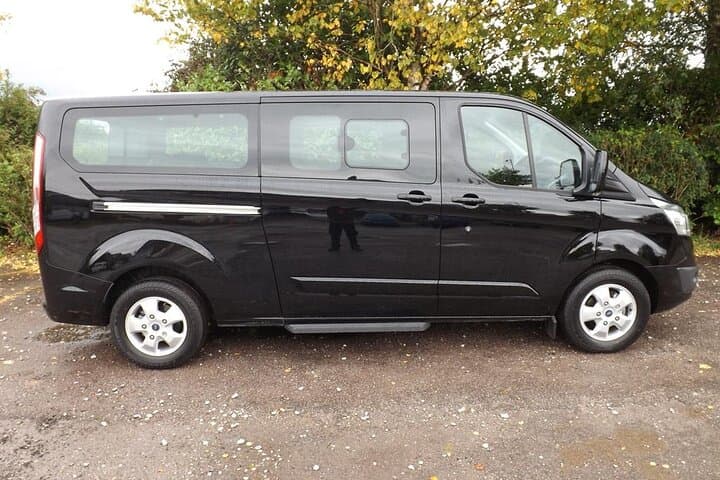
A late-morning minivan slips out of Marrakech and the city’s heat gives way to a cooler, highland air as the road clamps down into the Moulay Brahim Gorges.
Verified experiences and guided adventures in the surrounding area.
Operated by Morocco Authentic journey · Imlil, Marrakesh-Safi
A late-morning minivan slips out of Marrakech and the city’s heat gives way to a cooler, highland air as the road clamps down into the Moulay Brahim Gorges.
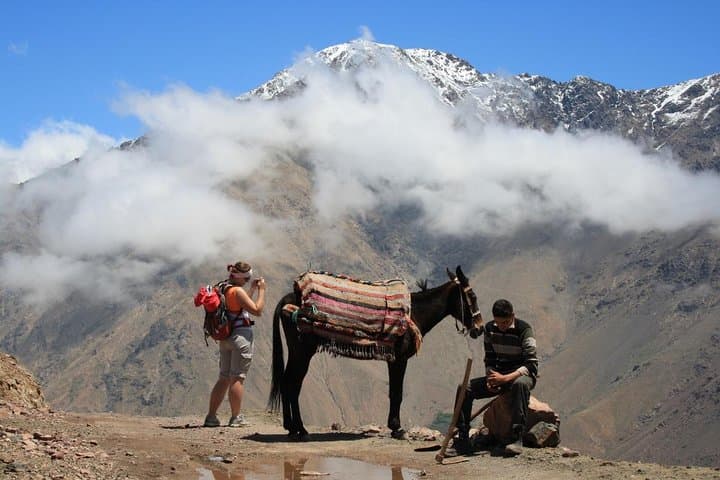
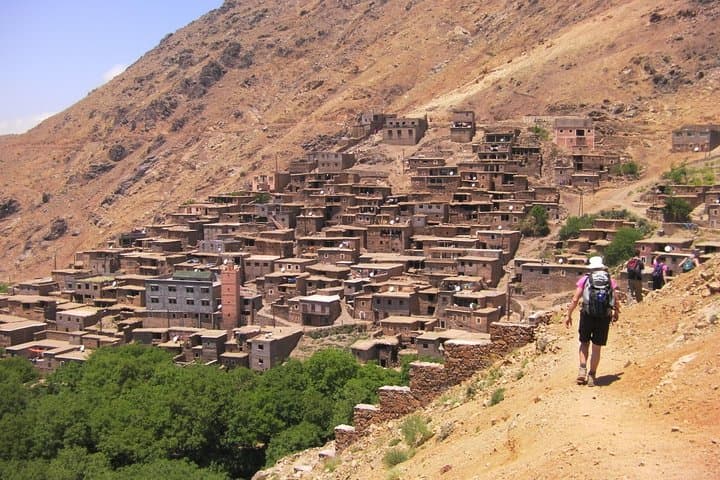
By the time you pass the market town of Asni the terraces have a quiet patience; Imlil arrives as a green pocket at the foot of the High Atlas where the slopes still hold snow into spring and streams dare you to follow them upstream. This day trip moves from road to mule track — a short ride up toward Aroumd opens photography points and conversation with Berber guides who read the land like a map.
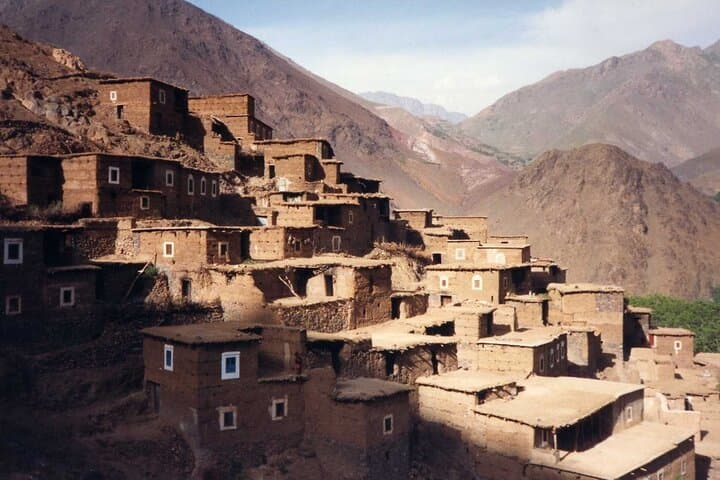
Geologically the High Atlas is young and steep: uplifted by tectonic collision, folded layers give way to granite outcrops and scree where Mount Toubkal (4,167 m) towers as the range’s obvious crown. Culturally the valley is shaped by Amazigh (Berber) villages, weekly markets in Asni, and a tradition of mountain guiding and mulepacking that predates modern tourism.
Practical notes: the outing includes roughly a two-hour drive each way and several hours on gentle mule trails and short walks; expect uneven stone paths and occasional steep pitches if you dismount. Dress in layers, carry 2–3 liters of water, and keep cash for market purchases and tips. Midday light is best for photos; mornings can be sharp and afternoons warm. Respect grazing patterns, accept a local guide for safety on narrow tracks, and leave no trace — the valley’s water and soils are fragile under increased visitation.
moderate.
8–10 hours.
Suitable for people who can manage several hours of walking on uneven terrain and short uphill sections; mules reduce strenuous effort.
Expect about 1.5–2 hours each way depending on traffic and stops through the Moulay Brahim Gorges.
Yes — the day trip typically includes transport, a local guide, and mule rides up to Aroumd, plus a hosted lunch.
Children can ride mules but the terrain is uneven; travelers with serious mobility constraints should consult the operator about accessibility and mule handling.
Tipping is customary; a modest tip for the guide and a small amount per mule handler is appreciated — adjust by group size and service quality.
Amazigh (Berber) communities have lived these valleys for centuries, with mountain trade routes and mulepacking forming the backbone of local commerce long before organized tours.
The High Atlas faces erosion and water stress; support local guides, stick to trails, and avoid single-use plastics to reduce your footprint.
Morocco Authentic journey operates guided outdoor trips and adventures with an emphasis on safety, stewardship, and memorable experiences.
A late-morning minivan slips out of Marrakech and the city’s heat gives way to a cooler, highland air as the road clamps down into the Moulay Brahim Gorges.
A late-morning minivan slips out of Marrakech and the city’s heat gives way to a cooler, highland air as the road clamps down into the Moulay Brahim Gorges.
By the time you pass the market town of Asni the terraces have a quiet patience; Imlil arrives as a green pocket at the foot of the High Atlas where the slopes still hold snow into spring and streams dare you to follow them upstream. This day trip moves from road to mule track — a short ride up toward Aroumd opens photography points and conversation with Berber guides who read the land like a map.
Geologically the High Atlas is young and steep: uplifted by tectonic collision, folded layers give way to granite outcrops and scree where Mount Toubkal (4,167 m) towers as the range’s obvious crown. Culturally the valley is shaped by Amazigh (Berber) villages, weekly markets in Asni, and a tradition of mountain guiding and mulepacking that predates modern tourism.
Practical notes: the outing includes roughly a two-hour drive each way and several hours on gentle mule trails and short walks; expect uneven stone paths and occasional steep pitches if you dismount. Dress in layers, carry 2–3 liters of water, and keep cash for market purchases and tips. Midday light is best for photos; mornings can be sharp and afternoons warm. Respect grazing patterns, accept a local guide for safety on narrow tracks, and leave no trace — the valley’s water and soils are fragile under increased visitation.