THE ADVENTURE COLLECTIVE® · Independent discovery and booking for outdoor travel

A practical one-day trek from Marrakech into the High Atlas with valley hikes, a river-side camel ride and a Berber village lunch. Expect rocky trails, steep short pitches, and vivid cultural encounters in the shadow of Jbel Toubkal.
A practical one-day trek from Marrakech into the High Atlas with valley hikes, a river-side camel ride and a Berber village lunch. Expect rocky trails, steep short pitches, and vivid cultural encounters in the shadow of Jbel Toubkal.
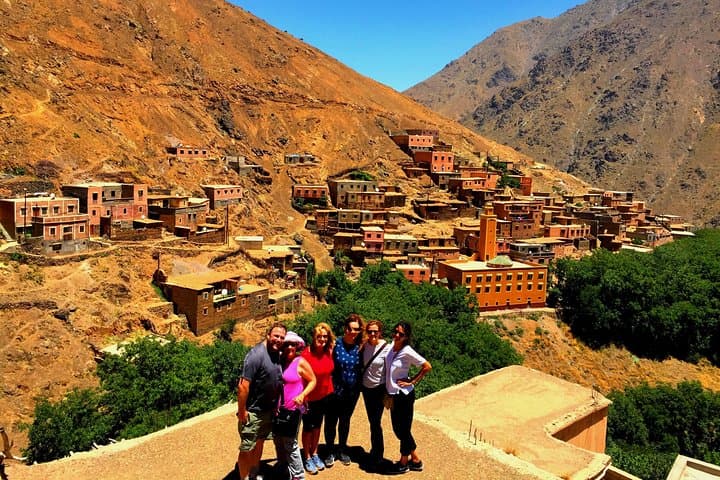
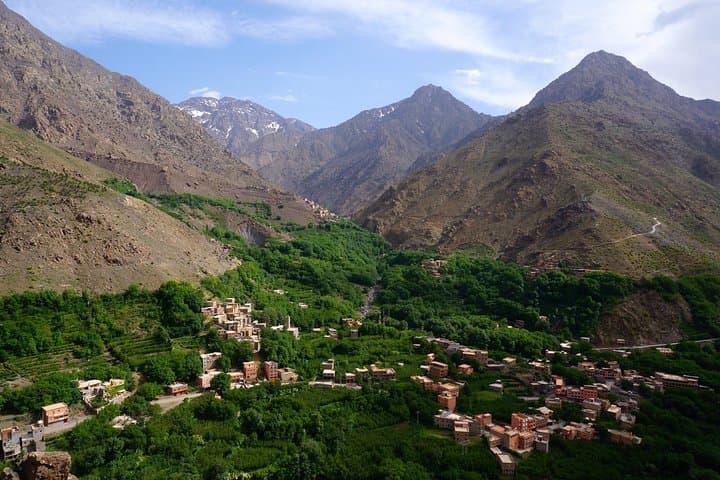
The road drops away from Marrakech and the High Atlas climbs up to reveal terraced orchards, stone hamlets and a river that dares you to follow it upstream. By midmorning the trail out of Imlil threads through almond trees and mule tracks, and the peaks of Jbel Toubkal loom, white-capped in season and sharpening the skyline with hard, volcanic ridgelines.
Verified experiences and guided adventures in the surrounding area.
Operated by Marrakech Day Trips · Imlil, Marrakech-Safi
The road drops away from Marrakech and the High Atlas climbs up to reveal terraced orchards, stone hamlets and a river that dares you to follow it upstream. By midmorning the trail out of Imlil threads through almond trees and mule tracks, and the peaks of Jbel Toubkal loom, white-capped in season and sharpening the skyline with hard, volcanic ridgelines.
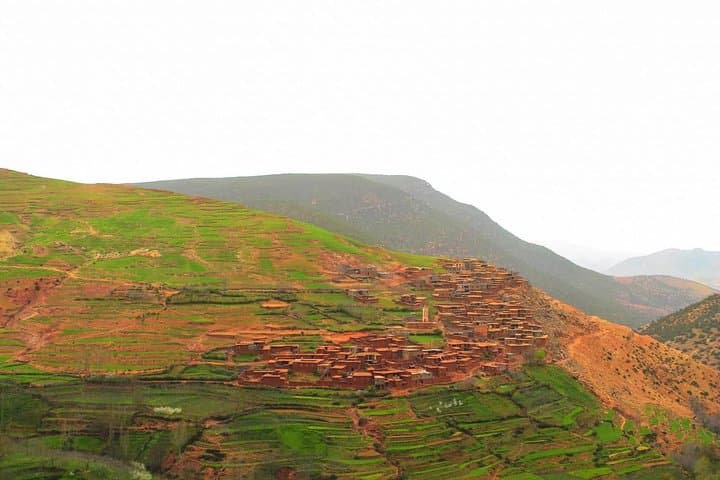
This full-day excursion moves at a practical pace: a short-to-medium trek through the three small valleys of Imlil, Ait Mizan and Imoula, a camel ride along the Moulay Ibrahim River and a visit to a Berber village where a mint-tea lunch awaits. The High Atlas is geologically young — folded sedimentary and igneous rock carved by glacial action — and the valleys still show moraines, stepped fields and stone irrigation channels (khettaras) used for generations.
Culturally the area is Amazigh (Berber): terraces and stone houses reflect pastoral rhythms, and market days (Tuesdays and Saturdays) still bring traders from surrounding valleys.
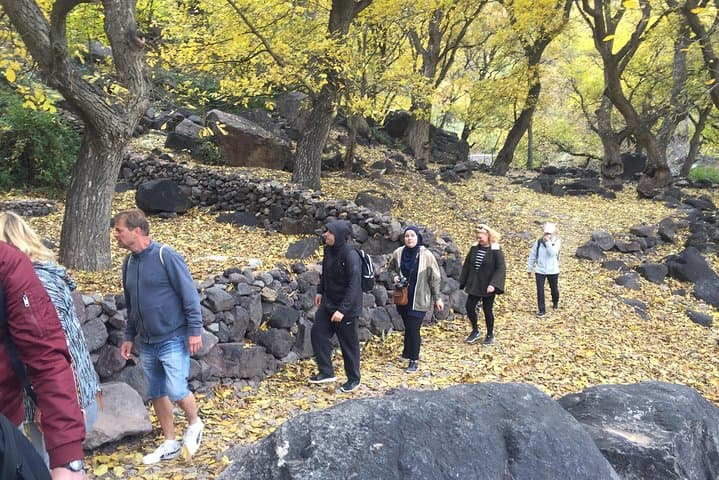
Practical guidance: expect 8–9 hours door-to-door from central Marrakech; trails are rocky with short steep pitches, so trainers or light hiking boots are recommended and bring 1.5–2L water. Pick a morning start to avoid midday heat in summer, and tell your operator about mobility limits — the tour involves uneven ground and a short camel mount. Carry cash for small purchases, follow your guide’s route choices, and leave no trace — the valleys rely on tourism but are fragile under growing foot traffic.
moderate.
8–9 hours.
Suitable for those with a moderate fitness level; regular walkers comfortable on uneven terrain will manage the trek.
The transfer to Imlil is roughly 1–1.5 hours each way depending on traffic, making the full experience a roughly 8–9 hour day.
If the tour falls on Tuesday or Saturday you can visit a local souk—otherwise markets may not be active.
Children can ride but operators set age and weight limits; check at booking and expect the camel section to be a short, guided experience.
This day trip reaches moderate valley elevations (not high-altitude camps); typical visitors won’t need special acclimatization but those with heart or respiratory issues should consult a doctor.
The High Atlas valleys are part of Amazigh (Berber) homelands where terraced farming and pastoral routes date back centuries.
Trails are vulnerable to erosion and water is scarce—stick to paths, use a guide who supports local communities, and avoid single-use plastics.
Marrakech Day Trips operates guided outdoor trips and adventures with an emphasis on safety, stewardship, and memorable experiences.
The road drops away from Marrakech and the High Atlas climbs up to reveal terraced orchards, stone hamlets and a river that dares you to follow it upstream. By midmorning the trail out of Imlil threads through almond trees and mule tracks, and the peaks of Jbel Toubkal loom, white-capped in season and sharpening the skyline with hard, volcanic ridgelines.
The road drops away from Marrakech and the High Atlas climbs up to reveal terraced orchards, stone hamlets and a river that dares you to follow it upstream. By midmorning the trail out of Imlil threads through almond trees and mule tracks, and the peaks of Jbel Toubkal loom, white-capped in season and sharpening the skyline with hard, volcanic ridgelines.
This full-day excursion moves at a practical pace: a short-to-medium trek through the three small valleys of Imlil, Ait Mizan and Imoula, a camel ride along the Moulay Ibrahim River and a visit to a Berber village where a mint-tea lunch awaits. The High Atlas is geologically young — folded sedimentary and igneous rock carved by glacial action — and the valleys still show moraines, stepped fields and stone irrigation channels (khettaras) used for generations.
Culturally the area is Amazigh (Berber): terraces and stone houses reflect pastoral rhythms, and market days (Tuesdays and Saturdays) still bring traders from surrounding valleys.
Practical guidance: expect 8–9 hours door-to-door from central Marrakech; trails are rocky with short steep pitches, so trainers or light hiking boots are recommended and bring 1.5–2L water. Pick a morning start to avoid midday heat in summer, and tell your operator about mobility limits — the tour involves uneven ground and a short camel mount. Carry cash for small purchases, follow your guide’s route choices, and leave no trace — the valleys rely on tourism but are fragile under growing foot traffic.