THE ADVENTURE COLLECTIVE® · Independent discovery and booking for outdoor travel

Spend a day on Mount Ikoma with a private guide: shrine approaches, temple staircases, a cute funicular and sunset views over Osaka and Nara. This guided walk blends history, geology and approachable hiking with easy public‑transport logistics.
Spend a day on Mount Ikoma with a private guide: shrine approaches, temple staircases, a cute funicular and sunset views over Osaka and Nara. This guided walk blends history, geology and approachable hiking with easy public‑transport logistics.
Morning mist lifts off the slopes as your guide leads a small group from a rail stop into a corridor of stone lanterns and commerce. Ishikiri Tsurugiya’s torii frame a long approach; shopfronts on Ishikiri Sando hum with the rhythm of local life. By late morning the trail pitches upward, the funicular a cheerful, clattering companion that hints at the summit to come.
Verified experiences and guided adventures in the surrounding area.
Operated by Nara Guide · Ikoma, Osaka Prefecture
Morning mist lifts off the slopes as your guide leads a small group from a rail stop into a corridor of stone lanterns and commerce. Ishikiri Tsurugiya’s torii frame a long approach; shopfronts on Ishikiri Sando hum with the rhythm of local life. By late morning the trail pitches upward, the funicular a cheerful, clattering companion that hints at the summit to come.
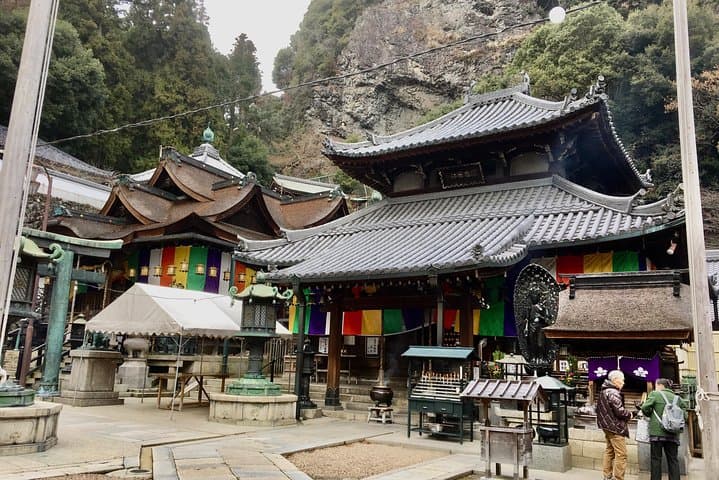
Ikoma sits where the Rokkō foothills give way to the Nara basin. Geologically the mountain is a low volcanic ridge whose wooded flanks protect ancient trails and temples: Hozanji, founded in the Heian era, keeps its 12th‑century carvings and a carved Buddha visible across a clearing. The area’s culture blends Shinto shrine routes, monastic steps, and postwar amusement‑park optimism at Ikoma Sanjo — where Osaka Bay and Nara’s bowl open like pages of the landscape at sunset.
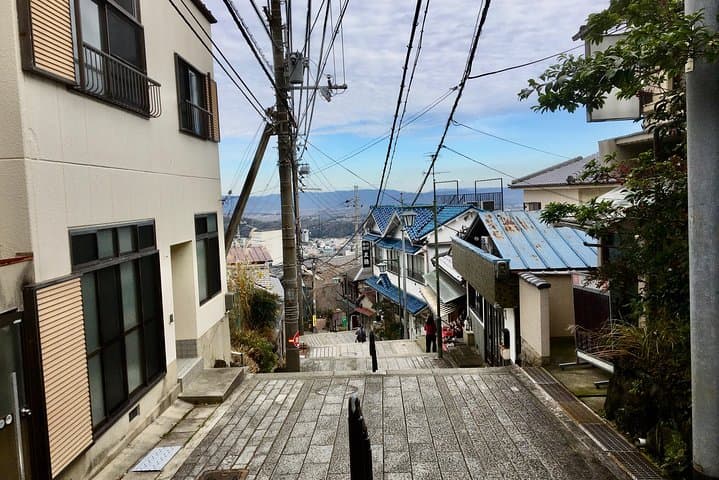
Expect a mix of paved approaches, stone staircases by temple precincts, and short gravel paths; total walking across the day is moderate with occasional steeper pitches if you climb toward viewpoints. The guide handles transport, local history interpretation, and timing for sunset views.
Practical side: wear grippy shoes for wet stone steps, bring layered clothing for the summit breeze, and carry water and cash for small shrine offerings or park rides. Public transit access means this is an easy logistic fit into a multi‑day Osaka or Nara stay. The day rewards steady walkers with culture, close‑up temple architecture, and wide, citylit panoramas that grow bolder as dusk falls.
moderate.
6 hours.
Moderate — participants should be comfortable walking several hours with some elevation gain and stair sections.
The tour includes several hours on foot across paved approaches, staircases, and short gravel paths; total active time is moderate and manageable for those used to a half‑day hike.
The itinerary highlights the funicular as an attraction; consult the operator on whether fares are included or payable on site.
The listing notes stroller accessibility for infants and small children on some sections, but expect stairs near temples where carrying or a baby carrier may be required.
Language availability varies by operator — confirm at booking; private tours often offer English or other requested languages subject to guide availability.
Mount Ikoma’s routes trace centuries of Shinto and Buddhist practice; Hozanji Temple dates to the medieval period and grew as a mountain‑shrine pilgrimage site.
The mountain’s woodlands are managed for recreation and temple access; stay on established paths and avoid feeding wildlife to protect local ecosystems.
Nara Guide operates guided outdoor trips and adventures with an emphasis on safety, stewardship, and memorable experiences.
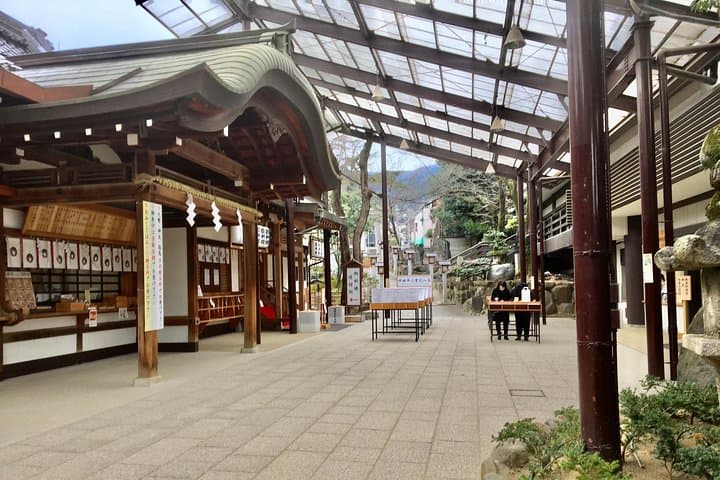
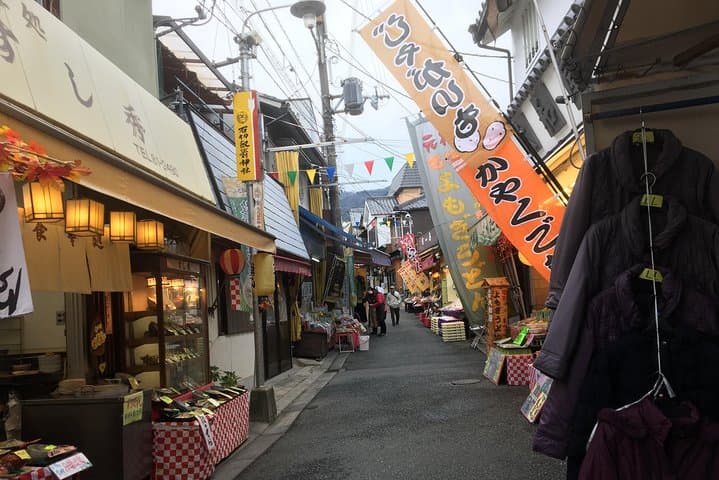
Morning mist lifts off the slopes as your guide leads a small group from a rail stop into a corridor of stone lanterns and commerce. Ishikiri Tsurugiya’s torii frame a long approach; shopfronts on Ishikiri Sando hum with the rhythm of local life. By late morning the trail pitches upward, the funicular a cheerful, clattering companion that hints at the summit to come.
Morning mist lifts off the slopes as your guide leads a small group from a rail stop into a corridor of stone lanterns and commerce. Ishikiri Tsurugiya’s torii frame a long approach; shopfronts on Ishikiri Sando hum with the rhythm of local life. By late morning the trail pitches upward, the funicular a cheerful, clattering companion that hints at the summit to come.
Ikoma sits where the Rokkō foothills give way to the Nara basin. Geologically the mountain is a low volcanic ridge whose wooded flanks protect ancient trails and temples: Hozanji, founded in the Heian era, keeps its 12th‑century carvings and a carved Buddha visible across a clearing. The area’s culture blends Shinto shrine routes, monastic steps, and postwar amusement‑park optimism at Ikoma Sanjo — where Osaka Bay and Nara’s bowl open like pages of the landscape at sunset.
Expect a mix of paved approaches, stone staircases by temple precincts, and short gravel paths; total walking across the day is moderate with occasional steeper pitches if you climb toward viewpoints. The guide handles transport, local history interpretation, and timing for sunset views.
Practical side: wear grippy shoes for wet stone steps, bring layered clothing for the summit breeze, and carry water and cash for small shrine offerings or park rides. Public transit access means this is an easy logistic fit into a multi‑day Osaka or Nara stay. The day rewards steady walkers with culture, close‑up temple architecture, and wide, citylit panoramas that grow bolder as dusk falls.