THE ADVENTURE COLLECTIVE® · Independent discovery and booking for outdoor travel

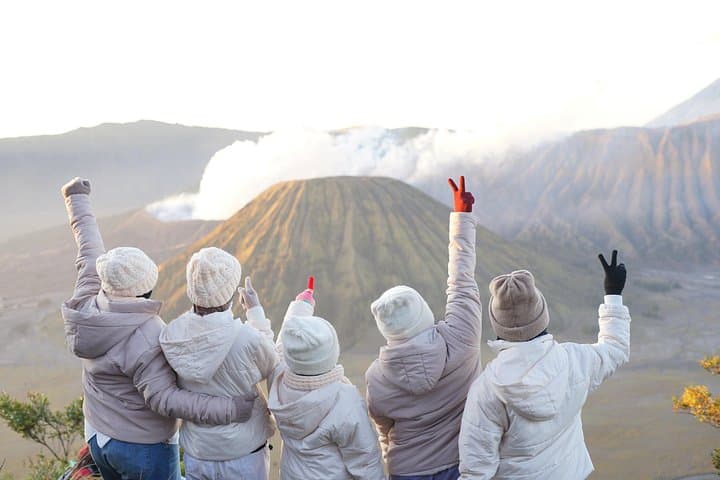
Three days of volcanic theater across East Java: trek pre-dawn to Ijen’s turquoise crater and possible blue fire, then watch Bromo’s sunrise from a Jeep-access viewpoint. Expect steep short hikes, long transfers, and dramatic sunrise panoramas.
Three days of volcanic theater across East Java: trek pre-dawn to Ijen’s turquoise crater and possible blue fire, then watch Bromo’s sunrise from a Jeep-access viewpoint. Expect steep short hikes, long transfers, and dramatic sunrise panoramas.
A predawn hush hangs over the Paltuding trailhead as your headlamp cuts a thin tunnel through the night. The climb to Kawah Ijen is a slow, steady breath: 1.5–2 hours of switchbacks that push you up to about 2,443 m where the crater lake glows an impossible turquoise and sulfur fumes braid with the cold air. If conditions allow, the blue fire — rare, electric, and fleeting — licks the crater floor, daring you to watch until the sun pries the colors into daylight.
Verified experiences and guided adventures in the surrounding area.
Operated by GLOBAL GATEWAY HOLIDAY · Bondowoso, East Java
A predawn hush hangs over the Paltuding trailhead as your headlamp cuts a thin tunnel through the night. The climb to Kawah Ijen is a slow, steady breath: 1.5–2 hours of switchbacks that push you up to about 2,443 m where the crater lake glows an impossible turquoise and sulfur fumes braid with the cold air. If conditions allow, the blue fire — rare, electric, and fleeting — licks the crater floor, daring you to watch until the sun pries the colors into daylight.
This route threads two of East Java’s defining volcanic places. Ijen’s acid lake is the product of hydrothermal activity in a caldera rim; Bromo sits inside the Tengger massif and is central to the Tenggerese people’s annual Kasada ceremony, where offerings are cast into the crater.
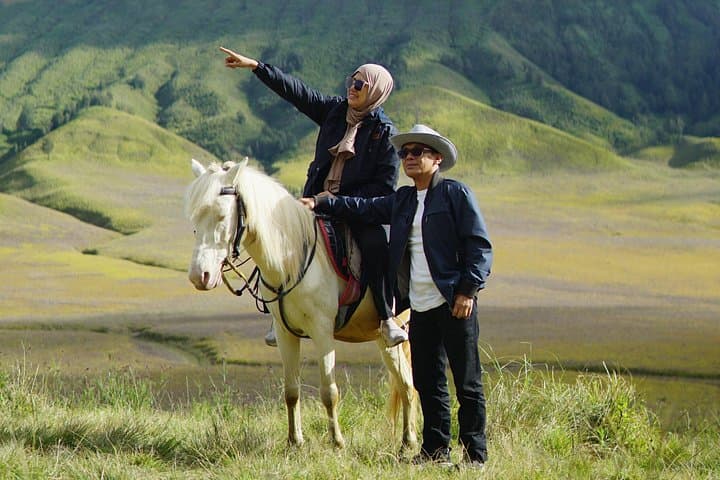
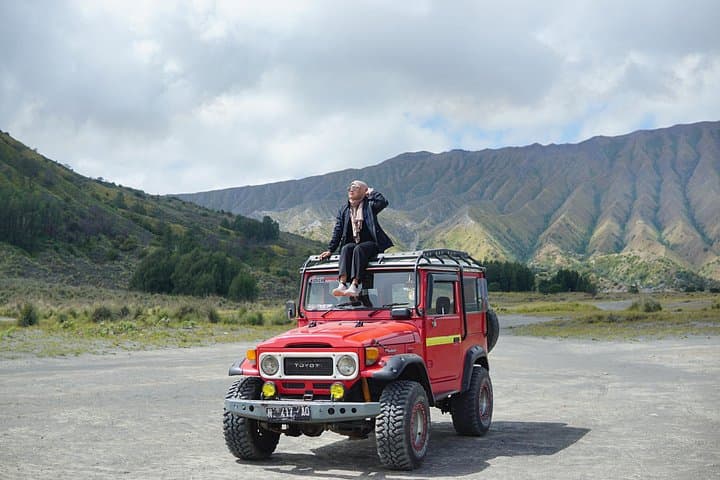
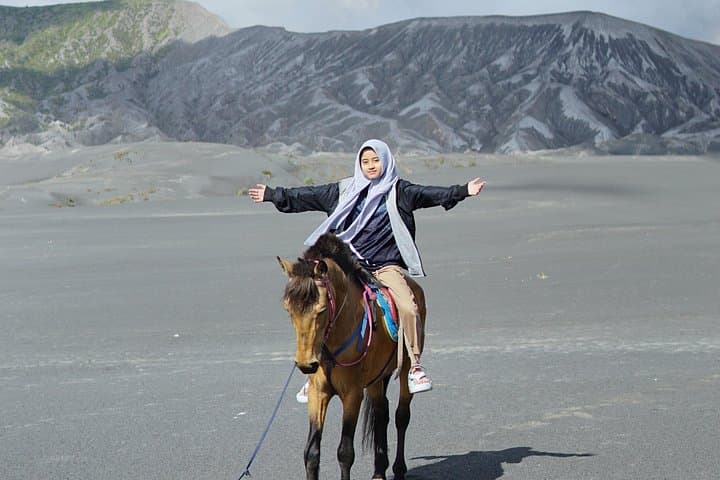
Practicalities shape the rhythm: long road transfers (5–7 hours between Ijen and Bromo), very early starts (1:00–3:00 AM), and short but steep hikes — expect a 1.5–2 hour ascent at Ijen and a 245-step climb to Bromo’s rim. Terrain varies from hardened trail to loose volcanic sand; a 4x4 Jeep ride across the Sea of Sand gets you to viewpoints but plan for cold, wind, and sulfur smell.
Bring a basic respirator (tours often supply masks), layered warm clothing, sturdy boots, and a headlamp. Hydrate before the trek, set a steady pace on the slopes, and respect marked paths and miners’ work zones. With logistics handled, this compact loop delivers raw volcanic theater and sunrise panoramas that linger long after the dust settles.
moderate.
3 days.
Moderate fitness—able to hike 1.5–2 hours on steep, uneven trails and tolerate early starts and long vehicle transfers.
No — blue fire visibility depends on wind, sulfur venting, and park policy; it’s more likely on clear, low-wind nights but never guaranteed.
Expect 1.5–2 hours of steep, continuous uphill with uneven footing; a steady pace and basic stamina are sufficient for most fit travelers.
No technical climbing — a Jeep crosses the Sea of Sand and you climb roughly 245 concrete steps to the rim; the steps are steep but short.
Many tour operators include basic gas masks for Ijen, but bringing an N95 or small respirator is recommended for better fit and protection.
Bromo lies within the Tengger caldera and plays a central role in the Tenggerese Kasada festival; Ijen’s crater has been mined for sulfur for generations and supports local mining communities.
Both sites are ecologically sensitive—stick to marked trails, avoid littering, and minimize disturbance near sulfur mining areas to reduce environmental and cultural impact.
GLOBAL GATEWAY HOLIDAY operates guided outdoor trips and adventures with an emphasis on safety, stewardship, and memorable experiences.
A predawn hush hangs over the Paltuding trailhead as your headlamp cuts a thin tunnel through the night. The climb to Kawah Ijen is a slow, steady breath: 1.5–2 hours of switchbacks that push you up to about 2,443 m where the crater lake glows an impossible turquoise and sulfur fumes braid with the cold air. If conditions allow, the blue fire — rare, electric, and fleeting — licks the crater floor, daring you to watch until the sun pries the colors into daylight.
A predawn hush hangs over the Paltuding trailhead as your headlamp cuts a thin tunnel through the night. The climb to Kawah Ijen is a slow, steady breath: 1.5–2 hours of switchbacks that push you up to about 2,443 m where the crater lake glows an impossible turquoise and sulfur fumes braid with the cold air. If conditions allow, the blue fire — rare, electric, and fleeting — licks the crater floor, daring you to watch until the sun pries the colors into daylight.
This route threads two of East Java’s defining volcanic places. Ijen’s acid lake is the product of hydrothermal activity in a caldera rim; Bromo sits inside the Tengger massif and is central to the Tenggerese people’s annual Kasada ceremony, where offerings are cast into the crater.
Practicalities shape the rhythm: long road transfers (5–7 hours between Ijen and Bromo), very early starts (1:00–3:00 AM), and short but steep hikes — expect a 1.5–2 hour ascent at Ijen and a 245-step climb to Bromo’s rim. Terrain varies from hardened trail to loose volcanic sand; a 4x4 Jeep ride across the Sea of Sand gets you to viewpoints but plan for cold, wind, and sulfur smell.
Bring a basic respirator (tours often supply masks), layered warm clothing, sturdy boots, and a headlamp. Hydrate before the trek, set a steady pace on the slopes, and respect marked paths and miners’ work zones. With logistics handled, this compact loop delivers raw volcanic theater and sunrise panoramas that linger long after the dust settles.