THE ADVENTURE COLLECTIVE® · Independent discovery and booking for outdoor travel

Witness one of the planet’s rare blue-fire displays and a sunrise over Ijen’s turquoise crater lake on a 2-day trek from Bali. This overnight trip combines a ferry crossing, an early-morning climb, and close-up views of active sulfur mining.
Witness one of the planet’s rare blue-fire displays and a sunrise over Ijen’s turquoise crater lake on a 2-day trek from Bali. This overnight trip combines a ferry crossing, an early-morning climb, and close-up views of active sulfur mining.
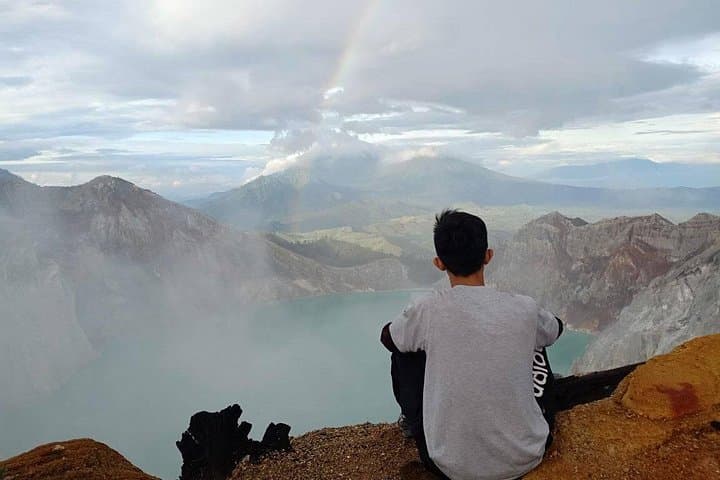
Before dawn, a narrow road from Banyuwangi gives way to a black silhouette of ridges and a cold wind that seems to push you forward toward Ijen’s rim. Hikers move in small, steady lines under headlamps; the crater’s acid lake waits below, its tosca surface framed by bright yellow sulfur deposits and cliffs that look as if they were carved from flame.
Verified experiences and guided adventures in the surrounding area.
Operated by Pandora Ijen Bromo · Banyuwangi, East Java
Before dawn, a narrow road from Banyuwangi gives way to a black silhouette of ridges and a cold wind that seems to push you forward toward Ijen’s rim. Hikers move in small, steady lines under headlamps; the crater’s acid lake waits below, its tosca surface framed by bright yellow sulfur deposits and cliffs that look as if they were carved from flame.
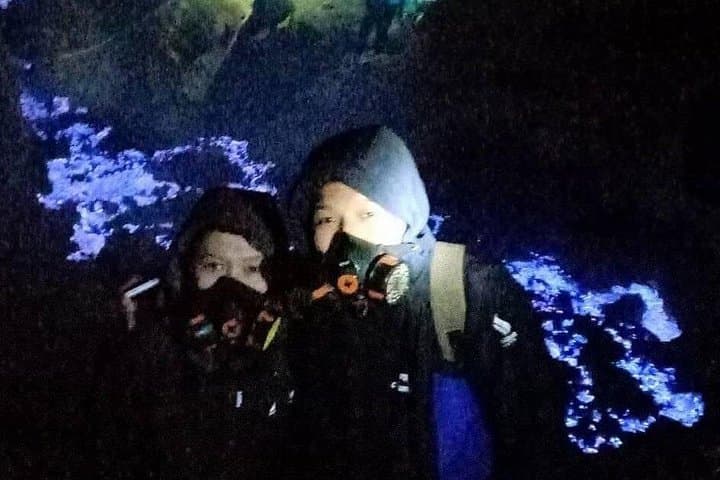
Geology here is direct: a volcanic caldera filled with a highly acidic lake and active fumaroles that deposit elemental sulfur, creating the vivid contrasts. The blue fire phenomenon—combustion of sulfuric gases that ignite at high temperature—is one of only a few places on earth where the glow is visible at night. Culturally, the area supports a long tradition of hand-mined sulfur; miners carrying heavy loads across the crater rim have worked these slopes for generations, shaping local rhythms and stories.
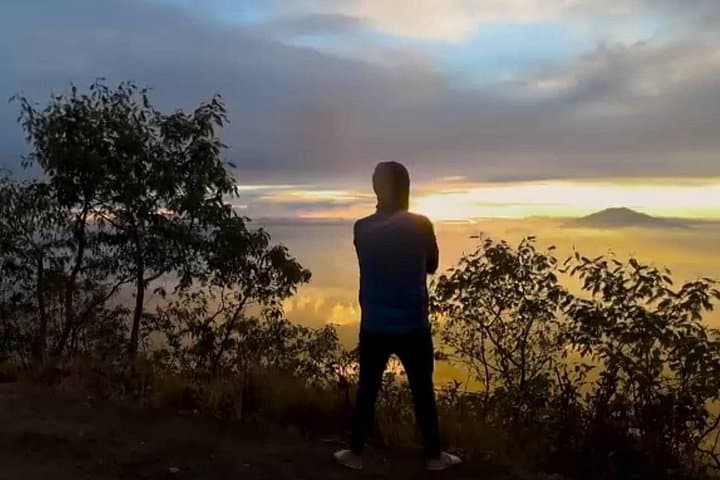
Expect a pre-dawn climb (roughly 2–3 hours depending on pace), steep sections of loose scree, and strong sulfur smells near the vents. The payoff is sunrise above the lake and, if timing and conditions align, the otherworldly blue flame before dawn. Guides are mandatory and provided here—both for safety and to coordinate access when conditions allow.
Practical notes: travel involves a ferry crossing from Bali to Java, an overnight in Banyuwangi, and a very early start to reach the crater in time for blue fire and sunrise. Wear sturdy boots, carry a good headlamp, and plan for cold, windy conditions on the rim. Respect miners, follow your guide, and keep to trails—the crater’s chemistry is both fascinating and hazardous.
moderate.
2 days.
Suitable for travelers in average fitness who can handle steep, uneven terrain and a pre-dawn ascent; allow time to acclimate.
Blue fire is best seen before dawn when sulfuric gases ignite; visibility depends on wind and gas flow—your guide times the visit for the best chance.
Not recommended for people with cardiovascular or respiratory issues due to steep ascent and sulphur fumes; children should be physically capable of the climb and supervised.
Yes—guides are provided and national park fees are included; guides manage safety and access around hazardous fumaroles.
The trip includes a ferry transfer from Bali to Java, an overnight stay in Banyuwangi, and return transport; expect basic, locally run lodging.
Local communities have extracted sulfur here for generations; miners carry heavy loads on foot from crater to collection points, a practice shaped by limited mechanization.
The crater’s acidic lake and fragile fumaroles are sensitive—stay on trails, avoid litter, and minimize disturbance to miners and wildlife.
Pandora Ijen Bromo operates guided outdoor trips and adventures with an emphasis on safety, stewardship, and memorable experiences.
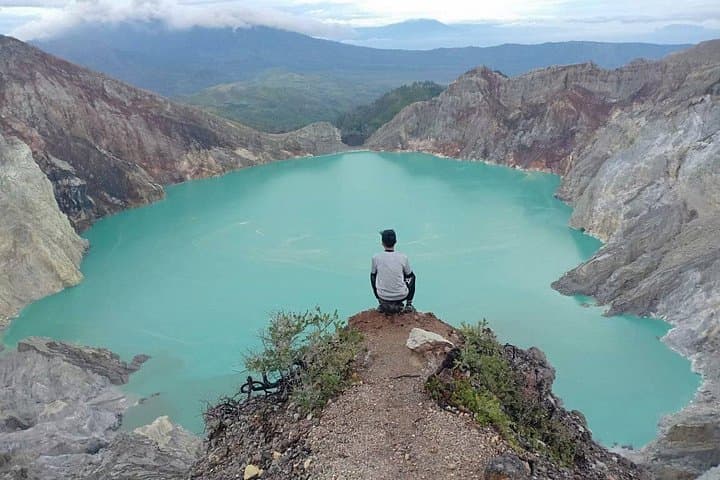
Before dawn, a narrow road from Banyuwangi gives way to a black silhouette of ridges and a cold wind that seems to push you forward toward Ijen’s rim. Hikers move in small, steady lines under headlamps; the crater’s acid lake waits below, its tosca surface framed by bright yellow sulfur deposits and cliffs that look as if they were carved from flame.
Before dawn, a narrow road from Banyuwangi gives way to a black silhouette of ridges and a cold wind that seems to push you forward toward Ijen’s rim. Hikers move in small, steady lines under headlamps; the crater’s acid lake waits below, its tosca surface framed by bright yellow sulfur deposits and cliffs that look as if they were carved from flame.
Geology here is direct: a volcanic caldera filled with a highly acidic lake and active fumaroles that deposit elemental sulfur, creating the vivid contrasts. The blue fire phenomenon—combustion of sulfuric gases that ignite at high temperature—is one of only a few places on earth where the glow is visible at night. Culturally, the area supports a long tradition of hand-mined sulfur; miners carrying heavy loads across the crater rim have worked these slopes for generations, shaping local rhythms and stories.
Expect a pre-dawn climb (roughly 2–3 hours depending on pace), steep sections of loose scree, and strong sulfur smells near the vents. The payoff is sunrise above the lake and, if timing and conditions align, the otherworldly blue flame before dawn. Guides are mandatory and provided here—both for safety and to coordinate access when conditions allow.
Practical notes: travel involves a ferry crossing from Bali to Java, an overnight in Banyuwangi, and a very early start to reach the crater in time for blue fire and sunrise. Wear sturdy boots, carry a good headlamp, and plan for cold, windy conditions on the rim. Respect miners, follow your guide, and keep to trails—the crater’s chemistry is both fascinating and hazardous.