THE ADVENTURE COLLECTIVE® · Independent discovery and booking for outdoor travel

Watch blue flames flicker from sulfur vents below Kawah Ijen on a pre-dawn climb that pairs raw geology with living mining culture. This practical guide explains what to expect, how to prepare, and how to respect a hazardous but striking landscape.
Watch blue flames flicker from sulfur vents below Kawah Ijen on a pre-dawn climb that pairs raw geology with living mining culture. This practical guide explains what to expect, how to prepare, and how to respect a hazardous but striking landscape.
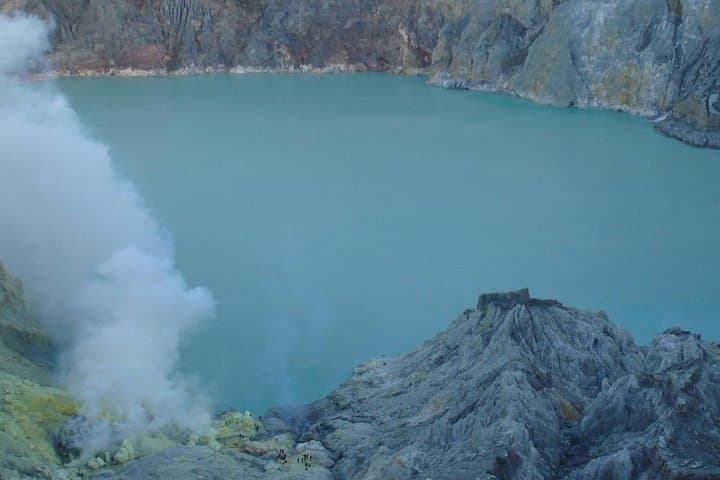
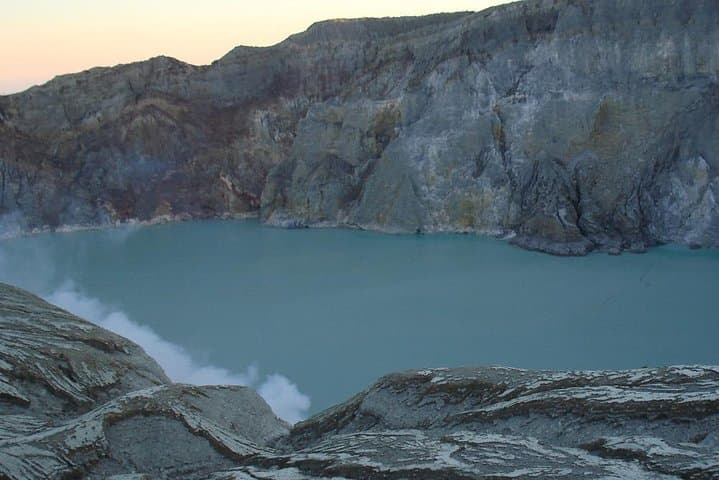
A headlamp beam cuts through pre-dawn mist as you climb toward Kawah Ijen’s rim, the trail breathing out steam and sulfur-scented air. By the time the sky lightens, the crater’s acid lake sits like a cold, electric eye and, in fissures below, the famous blue flames lick the darkness — small, intense, almost alive.
Verified experiences and guided adventures in the surrounding area.
Operated by THALIA TICKETING TOUR & TRAVEL SERVICE · Banyuwangi, East Java
A headlamp beam cuts through pre-dawn mist as you climb toward Kawah Ijen’s rim, the trail breathing out steam and sulfur-scented air. By the time the sky lightens, the crater’s acid lake sits like a cold, electric eye and, in fissures below, the famous blue flames lick the darkness — small, intense, almost alive.
Geology here is immediate: Ijen is a stratovolcano with a hyper-acidic crater lake fed by hydrothermal fluids that leach sulfur from fractures. For generations, local miners have descended into the crater to chip and carry bright yellow sulfur in loads that testify to both skill and hardship. The area’s culture blends Javanese and Madurese influences, and Banyuwangi’s growers and miners shape the human story around the volcano.
Practical guidance matters: tours typically start very early from Banyuwangi and run 8–9 hours door-to-door. Expect steep, rocky approaches, loose volcanic scree near the rim and dense sulfur fumes in low spots; operators commonly provide gas masks and group flashlights. The walk to the rim can be damp and slippery; the descent toward the fumaroles is shorter but exposed.
Plan for cold at altitude before sunrise, bring a reliable headlamp and a mask (or use the supplied one), and move deliberately around miners and fragile ground. Respect marked trails and permit rules, keep distance from active fumaroles, and leave no trace — the crater’s stark beauty is fragile and human activity already shapes its edges.
challenging.
8–9 hours.
Moderate to high cardiovascular fitness required; able to hike steep, uneven trails in low light and tolerate short periods at altitude.
Blue flames are visible only at night or pre-dawn when the sulfur gases ignite; tours aim to arrive before first light for the clearest view.
Most tour operators supply basic gas masks; they’re strongly recommended because sulfur fumes can irritate eyes and lungs — bring a better respirator if you have sensitivities.
The trek is steep and uneven but short (typically 1–2 hours depending on fitness); the low-light conditions and loose scree increase challenge, so steady footing is important.
Descending closer to fumaroles increases exposure to toxic gases and unstable ground; follow your guide’s instructions and maintain distance—miners routinely enter these zones with protective gear and experience.
Kawah Ijen’s sulfur deposits have been mined for decades; miners transport solidified sulfur in shoulder loads to the rim where it’s weighed and sold locally.
The crater’s acid lake and fumarole systems are fragile; visitors should stick to marked routes, avoid leaving waste, and minimize disturbance to miners and wildlife.
THALIA TICKETING TOUR & TRAVEL SERVICE operates guided outdoor trips and adventures with an emphasis on safety, stewardship, and memorable experiences.

A headlamp beam cuts through pre-dawn mist as you climb toward Kawah Ijen’s rim, the trail breathing out steam and sulfur-scented air. By the time the sky lightens, the crater’s acid lake sits like a cold, electric eye and, in fissures below, the famous blue flames lick the darkness — small, intense, almost alive.
A headlamp beam cuts through pre-dawn mist as you climb toward Kawah Ijen’s rim, the trail breathing out steam and sulfur-scented air. By the time the sky lightens, the crater’s acid lake sits like a cold, electric eye and, in fissures below, the famous blue flames lick the darkness — small, intense, almost alive.
Geology here is immediate: Ijen is a stratovolcano with a hyper-acidic crater lake fed by hydrothermal fluids that leach sulfur from fractures. For generations, local miners have descended into the crater to chip and carry bright yellow sulfur in loads that testify to both skill and hardship. The area’s culture blends Javanese and Madurese influences, and Banyuwangi’s growers and miners shape the human story around the volcano.
Practical guidance matters: tours typically start very early from Banyuwangi and run 8–9 hours door-to-door. Expect steep, rocky approaches, loose volcanic scree near the rim and dense sulfur fumes in low spots; operators commonly provide gas masks and group flashlights. The walk to the rim can be damp and slippery; the descent toward the fumaroles is shorter but exposed.
Plan for cold at altitude before sunrise, bring a reliable headlamp and a mask (or use the supplied one), and move deliberately around miners and fragile ground. Respect marked trails and permit rules, keep distance from active fumaroles, and leave no trace — the crater’s stark beauty is fragile and human activity already shapes its edges.