THE ADVENTURE COLLECTIVE® · Independent discovery and booking for outdoor travel

See the rare blue fire of Ijen at first light on a private tour from Bali. This long day combines ferry transfers, a pre-dawn crater hike, and close-up views of sulfur vents and the emerald acid lake.
See the rare blue fire of Ijen at first light on a private tour from Bali. This long day combines ferry transfers, a pre-dawn crater hike, and close-up views of sulfur vents and the emerald acid lake.
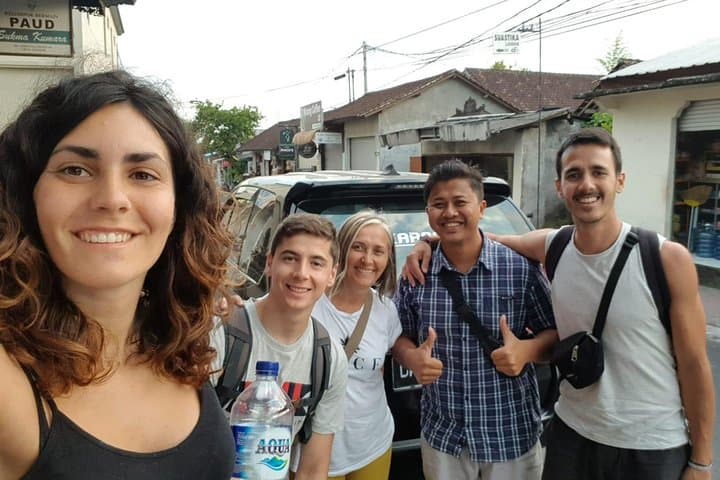
Before dawn the jeep rattles toward Paltuding and the world narrows to a headlamp cone and the distant hiss of sulfur. Travelers cross Bali’s narrow strait by ferry, sleep folded into the back of an air-conditioned van, and arrive in Banyuwangi in time for a midnight transfer. By 1 a.m. the trailhead is a cluster of drivers, guides and bundled hikers; the crater rim waits above, lit by a blue flame that seems to defy daylight.
Verified experiences and guided adventures in the surrounding area.
Operated by Juna Bali Transport · Banyuwangi, East Java
Before dawn the jeep rattles toward Paltuding and the world narrows to a headlamp cone and the distant hiss of sulfur. Travelers cross Bali’s narrow strait by ferry, sleep folded into the back of an air-conditioned van, and arrive in Banyuwangi in time for a midnight transfer. By 1 a.m. the trailhead is a cluster of drivers, guides and bundled hikers; the crater rim waits above, lit by a blue flame that seems to defy daylight.
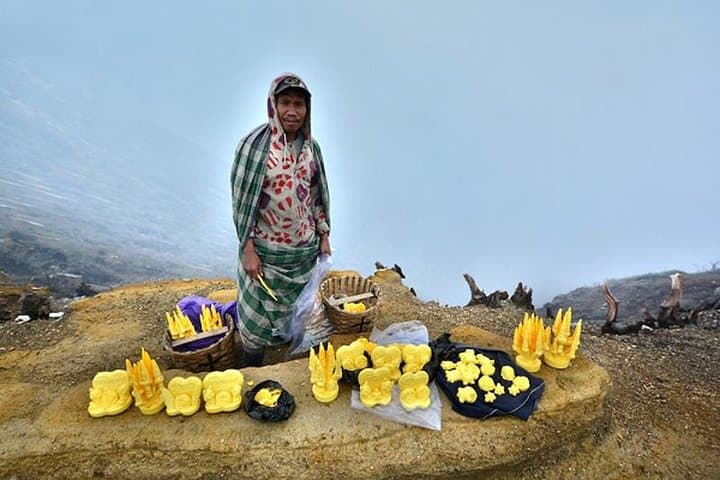
Geology here is raw: Ijen is a stratovolcanic complex whose crater holds one of the world’s largest acid lakes and active sulfur vents. For generations local miners have extracted sulfur by hand, carrying bright yellow loads down steep talus—an element of cultural history that shares the stage with the volcanic spectacle.
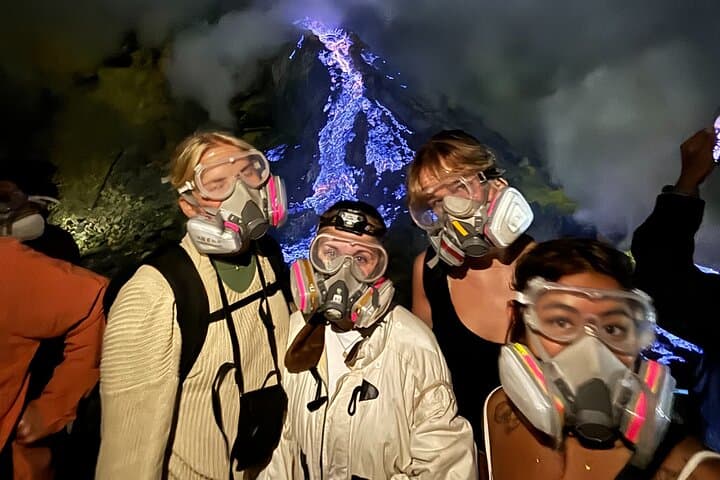
Expect a steep, uneven volcanic trail of packed ash, loose scree and exposed roots; the ascent is physically demanding but not technical. Guides often provide basic gas masks to buffer sulfur fumes, and the best views come at blue-hour when the molten sulfur combustion shows as electric-blue flickers near fumaroles.
Practicalities: the tour is a long day—ferry crossings and transfers add hours—so plan for 12+ hours door-to-door if leaving from Bali. Wear sturdy boots, layers for chilly rim winds, and bring a headlamp and at least 1–2 liters of water. Respect miners’ work zones, follow your guide’s route, and stay clear of fumaroles. This is an accessible but serious adventure: breathtaking, gritty, and unforgettable for those prepared for early starts and volcanic conditions.
moderate.
6–8 hours (hike portion); 12+ hours door-to-door from Bali.
Suitable for travelers with moderate fitness—comfortable with sustained uphill walking, steep descents, and early wake-up
Most operators include hotel pickup in Bali, a 3–4 hour drive to Gilimanuk, a ~1-hour ferry crossing to Banyuwangi, then a short drive to a hotel before the 1 a.m. transfer to Paltuding.
Blue fire depends on sulfur combustion visible in low light; it’s best seen at pre-dawn when fumes ignite—visibility can be affected by wind and weather.
Basic gas masks are usually provided by tour operators; sensitive visitors may prefer to bring a higher-quality respirator for better protection against sulfur fumes.
The climb is steep and includes descents on loose material; it’s not recommended for those with heart or significant mobility issues, and children should be physically capable and supervised.
Ijen’s sulfur mining has been a local livelihood for decades; miners still work by hand, transporting sulfur slabs from the crater to the valley.
Tourism and mining both stress the fragile crater environment—stick to trails, avoid littering, and follow guides to limit erosion and disturbance.
Juna Bali Transport operates guided outdoor trips and adventures with an emphasis on safety, stewardship, and memorable experiences.

Before dawn the jeep rattles toward Paltuding and the world narrows to a headlamp cone and the distant hiss of sulfur. Travelers cross Bali’s narrow strait by ferry, sleep folded into the back of an air-conditioned van, and arrive in Banyuwangi in time for a midnight transfer. By 1 a.m. the trailhead is a cluster of drivers, guides and bundled hikers; the crater rim waits above, lit by a blue flame that seems to defy daylight.
Before dawn the jeep rattles toward Paltuding and the world narrows to a headlamp cone and the distant hiss of sulfur. Travelers cross Bali’s narrow strait by ferry, sleep folded into the back of an air-conditioned van, and arrive in Banyuwangi in time for a midnight transfer. By 1 a.m. the trailhead is a cluster of drivers, guides and bundled hikers; the crater rim waits above, lit by a blue flame that seems to defy daylight.
Geology here is raw: Ijen is a stratovolcanic complex whose crater holds one of the world’s largest acid lakes and active sulfur vents. For generations local miners have extracted sulfur by hand, carrying bright yellow loads down steep talus—an element of cultural history that shares the stage with the volcanic spectacle.
Expect a steep, uneven volcanic trail of packed ash, loose scree and exposed roots; the ascent is physically demanding but not technical. Guides often provide basic gas masks to buffer sulfur fumes, and the best views come at blue-hour when the molten sulfur combustion shows as electric-blue flickers near fumaroles.
Practicalities: the tour is a long day—ferry crossings and transfers add hours—so plan for 12+ hours door-to-door if leaving from Bali. Wear sturdy boots, layers for chilly rim winds, and bring a headlamp and at least 1–2 liters of water. Respect miners’ work zones, follow your guide’s route, and stay clear of fumaroles. This is an accessible but serious adventure: breathtaking, gritty, and unforgettable for those prepared for early starts and volcanic conditions.