THE ADVENTURE COLLECTIVE® · Independent discovery and booking for outdoor travel

Board a night transfer from Bali to Banyuwangi and hike under headlamps to Mount Ijen’s crater rim to witness the rare blue fire and sunrise over the acid lake. This overnight trek blends volcanic geology, local mining culture, and a brisk pre-dawn climb.
Board a night transfer from Bali to Banyuwangi and hike under headlamps to Mount Ijen’s crater rim to witness the rare blue fire and sunrise over the acid lake. This overnight trek blends volcanic geology, local mining culture, and a brisk pre-dawn climb.
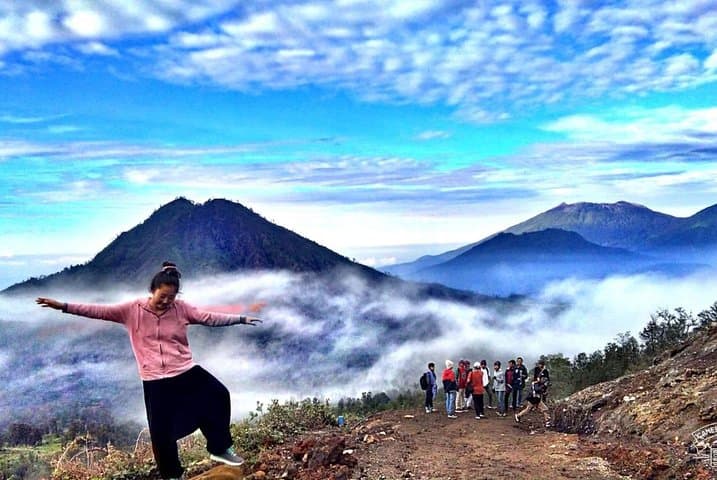
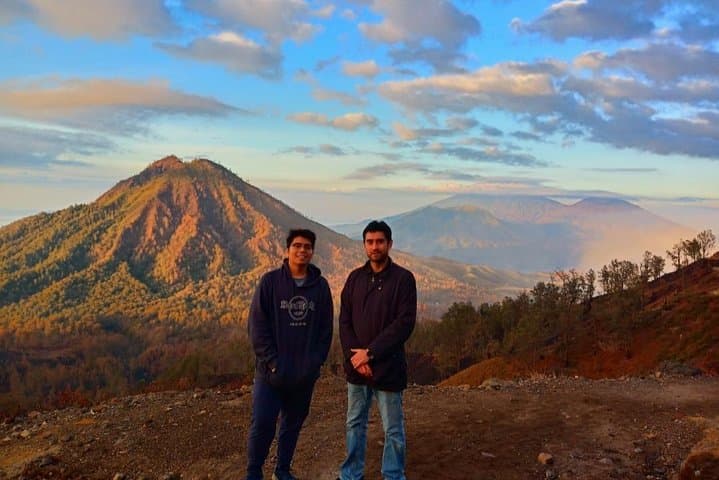
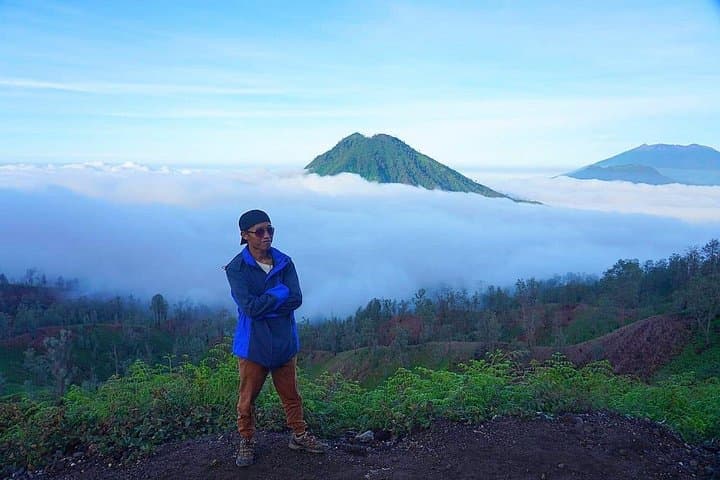
The night ride from Bali thins into a hush as the minivan slips toward the Gilimanuk ferry; by the time the ferry lights blur into Java, the crater’s glow is already pulling at the mind. Hikers arrive at Paltuding under a deep sky, headlamps clicking on like constellations as the trail climbs through plantations and pockets of rainforest. The path steepens, volcanic gravel giving way to firmer rock; above, the crater rim waits like a patient, sleeping giant.
Verified experiences and guided adventures in the surrounding area.
Operated by Bali Savaya Tours · Banyuwangi, East Java
The night ride from Bali thins into a hush as the minivan slips toward the Gilimanuk ferry; by the time the ferry lights blur into Java, the crater’s glow is already pulling at the mind. Hikers arrive at Paltuding under a deep sky, headlamps clicking on like constellations as the trail climbs through plantations and pockets of rainforest. The path steepens, volcanic gravel giving way to firmer rock; above, the crater rim waits like a patient, sleeping giant.
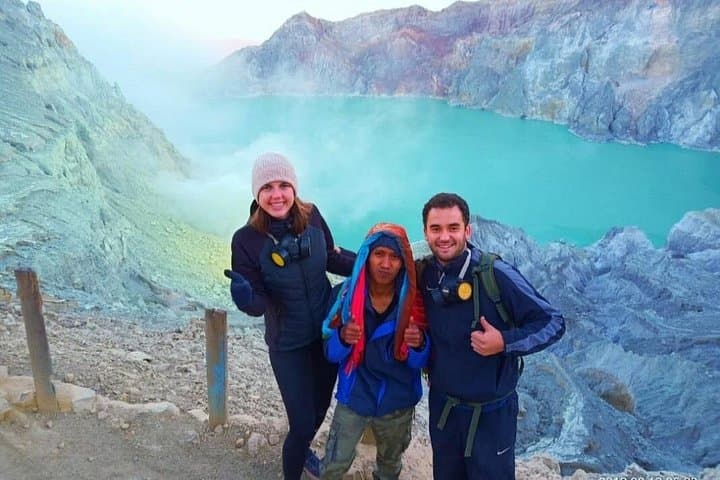
Ijen is a young volcanic complex shaped by repeated eruptions and sulfur extraction. Its acid lake—the largest of its kind—sits below a steaming crater rim, and for reasons of chemistry and temperature, blue flames sometimes burn where sulfur gases combust. Local communities around Licin and Banyuwangi have long worked these slopes; manual sulfur mining continues alongside small homestays and coffee gardens.
Expect a pre-dawn push: 1–2 hours of ascent on uneven ground, a short descent into the crater to view the blue fire, then a climb back to the rim for sunrise over a jade lake. Sulfur fumes can be strong; the air can bite at exposed skin and lungs. Practical preparation pays dividends—sturdy boots, layers for alpine-cold at 2,800 meters, and a mask for gas. Guides keep groups to established routes; respect miners’ workspace and avoid loose edges.
Timing matters—visibility and safety depend on weather and wind. A dawn sunrise from the rim, with blue fire briefly daring the dark below, is the payoff: raw, elemental, and unmistakably Java.
challenging.
12–16 hours.
Good cardiovascular fitness and leg strength required for sustained uphill hiking at altitude; comfortable with 2–4 hours of steep effort.
Blue fire is visible on clear, low-wind nights when sulfur gases ignite; guides time the descent into the crater around peak activity, usually before sunrise.
Children who are experienced hikers and used to long night walks may manage, but consider the steep terrain, altitude, and sulfur exposure—many operators set age minimums.
Expect roughly 1–2 hours ascending to the rim, 30 minutes down to the crater viewpoint, and about 1–2 hours to return, depending on pace and conditions.
Yes—guided treks are required in many areas for safety and to control access; entrance fees and guide services are typically included in organized tours.
Ijen’s crater has been a site of sulfur extraction since colonial times; manual mining continues and miners still carry heavy loads from the crater by hand.
Sulfur mining and visitor pressure stress fragile crater ecosystems—stay on marked trails, avoid litter, and support local guides and homestays to fund conservation.
Bali Savaya Tours operates guided outdoor trips and adventures with an emphasis on safety, stewardship, and memorable experiences.
The night ride from Bali thins into a hush as the minivan slips toward the Gilimanuk ferry; by the time the ferry lights blur into Java, the crater’s glow is already pulling at the mind. Hikers arrive at Paltuding under a deep sky, headlamps clicking on like constellations as the trail climbs through plantations and pockets of rainforest. The path steepens, volcanic gravel giving way to firmer rock; above, the crater rim waits like a patient, sleeping giant.
The night ride from Bali thins into a hush as the minivan slips toward the Gilimanuk ferry; by the time the ferry lights blur into Java, the crater’s glow is already pulling at the mind. Hikers arrive at Paltuding under a deep sky, headlamps clicking on like constellations as the trail climbs through plantations and pockets of rainforest. The path steepens, volcanic gravel giving way to firmer rock; above, the crater rim waits like a patient, sleeping giant.
Ijen is a young volcanic complex shaped by repeated eruptions and sulfur extraction. Its acid lake—the largest of its kind—sits below a steaming crater rim, and for reasons of chemistry and temperature, blue flames sometimes burn where sulfur gases combust. Local communities around Licin and Banyuwangi have long worked these slopes; manual sulfur mining continues alongside small homestays and coffee gardens.
Expect a pre-dawn push: 1–2 hours of ascent on uneven ground, a short descent into the crater to view the blue fire, then a climb back to the rim for sunrise over a jade lake. Sulfur fumes can be strong; the air can bite at exposed skin and lungs. Practical preparation pays dividends—sturdy boots, layers for alpine-cold at 2,800 meters, and a mask for gas. Guides keep groups to established routes; respect miners’ workspace and avoid loose edges.
Timing matters—visibility and safety depend on weather and wind. A dawn sunrise from the rim, with blue fire briefly daring the dark below, is the payoff: raw, elemental, and unmistakably Java.