THE ADVENTURE COLLECTIVE® · Independent discovery and booking for outdoor travel

A private night trek from Bali to Kawah Ijen delivers a rare view of the crater’s blue fire and a close encounter with sulfur mining life. This guide explains what to expect on the steep, moonlit approach and how to prepare for the cold, smoky rim.
A private night trek from Bali to Kawah Ijen delivers a rare view of the crater’s blue fire and a close encounter with sulfur mining life. This guide explains what to expect on the steep, moonlit approach and how to prepare for the cold, smoky rim.
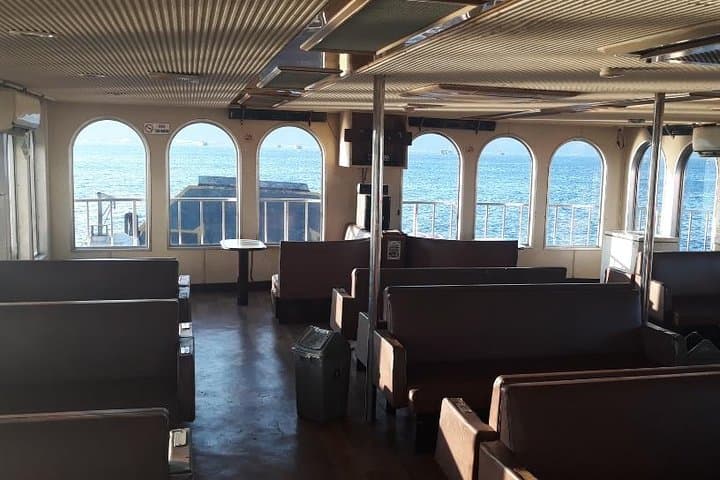
You step off the ferry at Ketapang and drive through a dark stretch of coastal Java toward a crater that seems to breathe light. By the time the minibus rolls into Paltuding, the air is cooler and the guides are fitting headlamps and masks. The ascent begins in pitch black; the trail climbs by switchback and loose volcanic sand, the crater rim a distant, ghostly silhouette that draws you forward.
Verified experiences and guided adventures in the surrounding area.
Operated by Endag Bali Tour · Banyuwangi, East Java
You step off the ferry at Ketapang and drive through a dark stretch of coastal Java toward a crater that seems to breathe light. By the time the minibus rolls into Paltuding, the air is cooler and the guides are fitting headlamps and masks. The ascent begins in pitch black; the trail climbs by switchback and loose volcanic sand, the crater rim a distant, ghostly silhouette that draws you forward.
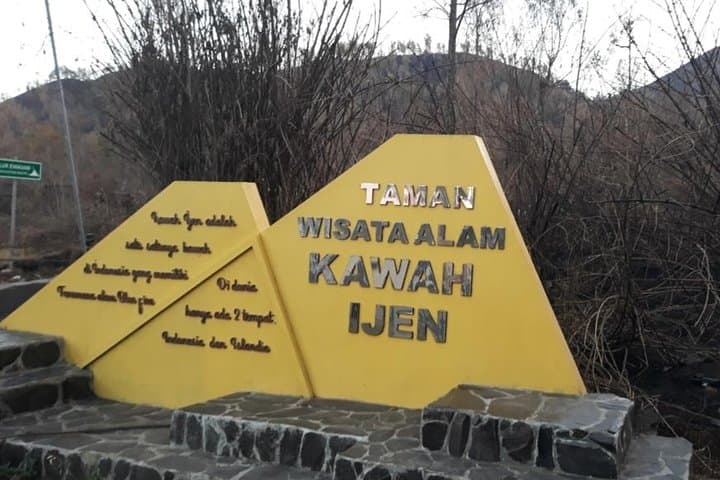
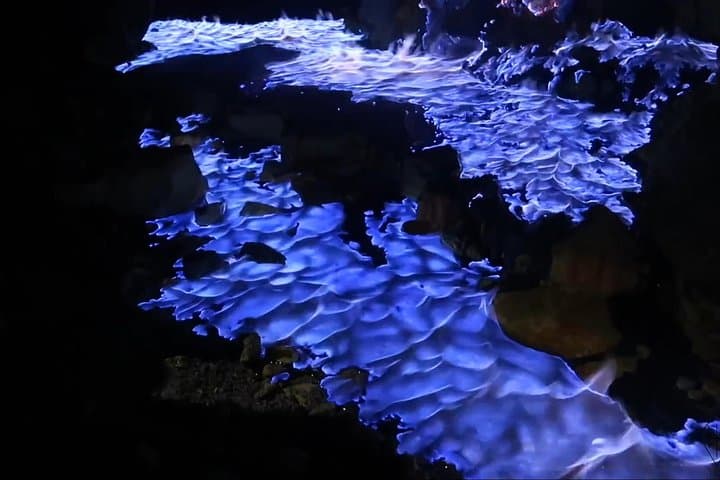
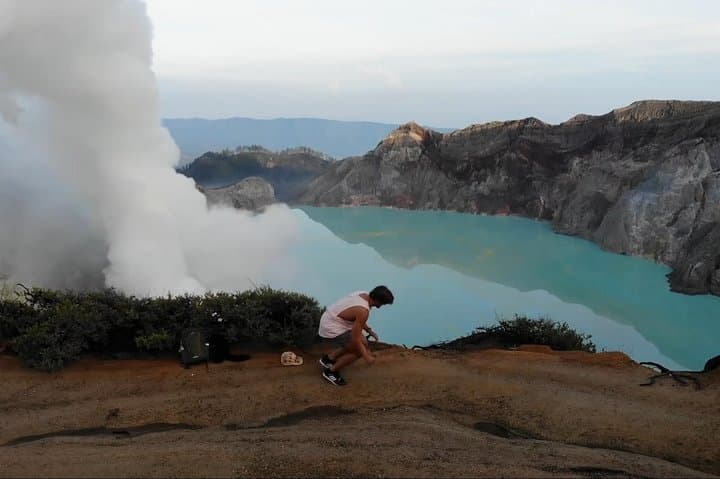
Kawah Ijen sits at 2,386 meters above sea level and hosts one of the world’s few acidic crater lakes and the rare blue fire phenomenon—sulfur gases igniting where they escape from fissures. For generations local miners have worked the crater’s sulfur fields, hauling yellow loads by hand; their presence is as much part of the site’s story as the volcanic geology. Banyuwangi culture and Java’s coastal trade routes meet here in late-night ferry crossings and small harbor towns.
Expect a strenuous night trek of steep sections and unstable scree, with strong sulfur odors near the vent; blue flames are best seen before dawn when temperatures drop and the glow is sharp against the dark.
Practical guidance: bring a reliable headlamp, an N95 or similar mask for fumes, sturdy boots with good grip, and a warm layer for the rim—temperatures can be cold at elevation. Allow 10–14 hours for the full round trip from Bali including transfers and ferry crossings; the trekking portion is typically 3–5 hours round-trip. Travel with a licensed guide, respect mining areas, and plan for limited facilities at the trailhead.
challenging.
5–6 hours (trekking 3–5 hours).
Recommended for hikers with good cardio and experience on uneven, steep trails; able to manage sustained climbs at altitude.
Blue fire is best seen at night and just before dawn when sulfur gases combust in the cooler, darker conditions—typically between 1:30 AM and sunrise.
The trail is steep with loose volcanic sand and rocky sections; expect 1.5–3 hours ascent depending on fitness and pace, and be prepared for rapid changes in footing.
Yes—sulfur dioxide can irritate eyes and lungs. People with respiratory or cardiovascular conditions, pregnant travelers, or those with severe spine injuries should avoid the trek.
Yes—most tours include private pickup in Bali, a ferry crossing to Java, a local guide, and equipment; a licensed guide improves safety around vents and mining areas.
Ijen’s sulfur mining has a long history; Miners still extract sulfur by hand and carry heavy loads down the crater, continuing a labor-intensive tradition tied to local livelihoods.
The crater’s acidic lake and fragile vegetation recover slowly from disturbance—stay on trails, avoid littering, and follow guide instructions to reduce impact.
Endag Bali Tour operates guided outdoor trips and adventures with an emphasis on safety, stewardship, and memorable experiences.
You step off the ferry at Ketapang and drive through a dark stretch of coastal Java toward a crater that seems to breathe light. By the time the minibus rolls into Paltuding, the air is cooler and the guides are fitting headlamps and masks. The ascent begins in pitch black; the trail climbs by switchback and loose volcanic sand, the crater rim a distant, ghostly silhouette that draws you forward.
You step off the ferry at Ketapang and drive through a dark stretch of coastal Java toward a crater that seems to breathe light. By the time the minibus rolls into Paltuding, the air is cooler and the guides are fitting headlamps and masks. The ascent begins in pitch black; the trail climbs by switchback and loose volcanic sand, the crater rim a distant, ghostly silhouette that draws you forward.
Kawah Ijen sits at 2,386 meters above sea level and hosts one of the world’s few acidic crater lakes and the rare blue fire phenomenon—sulfur gases igniting where they escape from fissures. For generations local miners have worked the crater’s sulfur fields, hauling yellow loads by hand; their presence is as much part of the site’s story as the volcanic geology. Banyuwangi culture and Java’s coastal trade routes meet here in late-night ferry crossings and small harbor towns.
Expect a strenuous night trek of steep sections and unstable scree, with strong sulfur odors near the vent; blue flames are best seen before dawn when temperatures drop and the glow is sharp against the dark.
Practical guidance: bring a reliable headlamp, an N95 or similar mask for fumes, sturdy boots with good grip, and a warm layer for the rim—temperatures can be cold at elevation. Allow 10–14 hours for the full round trip from Bali including transfers and ferry crossings; the trekking portion is typically 3–5 hours round-trip. Travel with a licensed guide, respect mining areas, and plan for limited facilities at the trailhead.