THE ADVENTURE COLLECTIVE® · Independent discovery and booking for outdoor travel

Ride the bullet train to Iiyama for a day of quiet temples, life-sized clay dolls and a 150-year-old sake brewery. This private tour pairs cultural depth with hands-on tasting and a traditional shojin ryori option.
Ride the bullet train to Iiyama for a day of quiet temples, life-sized clay dolls and a 150-year-old sake brewery. This private tour pairs cultural depth with hands-on tasting and a traditional shojin ryori option.
A cool mountain wind meets the platform as your bullet train slides into Iiyama — the day begins with a quiet rhythm: torii gates, wooden halls, and the hush of cedar forests.
Verified experiences and guided adventures in the surrounding area.
Operated by MY Travel Consulting · Iiyama, Nagano
A cool mountain wind meets the platform as your bullet train slides into Iiyama — the day begins with a quiet rhythm: torii gates, wooden halls, and the hush of cedar forests.
Start at Shonen-ji, where a five-century history sits in the grain of timber and a calm Amida Buddha watches over rice terraces that terrace the valley. The Mayumi Takahashi Doll Museum follows with life-sized clay figures that freeze everyday rural moments into intensely human scenes; each tableau reveals a social history of countryside Japan.
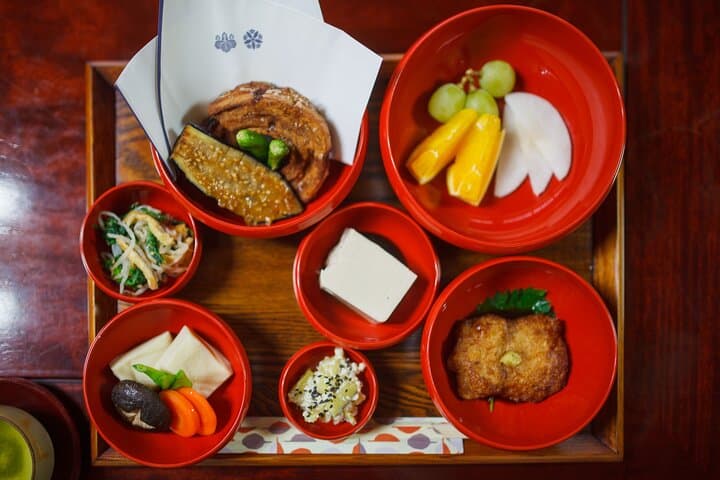
On the cultural axis sits Daishoji Temple: Zen architecture, mossed stones and an invitation to slow. If your group is four or larger and pre-booked, shojin ryori — seasonal, vegetarian monastic cuisine — offers a direct taste of local ingredients and Buddhist culinary practice.
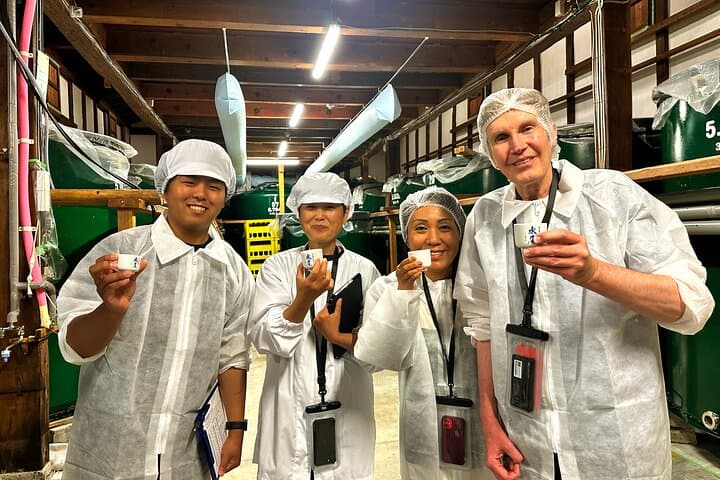
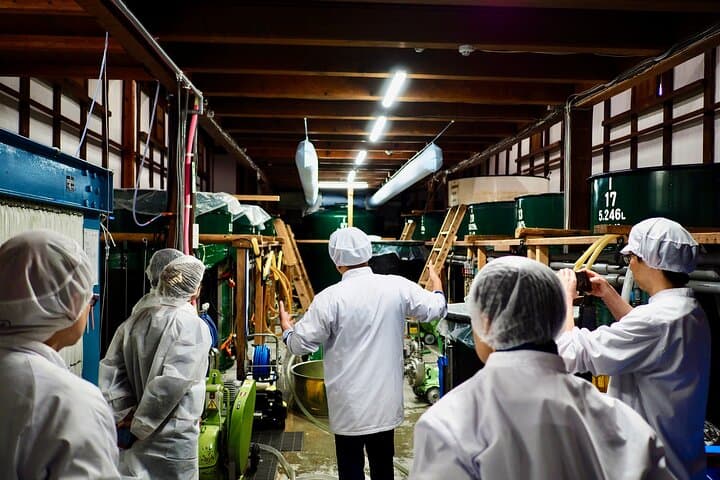
Tanakaya Shuzo, more than 150 years old, anchors the day in short, cool, spring-watered geology: mountain streams and local rice shape Mizuo sake’s clarity. The brewery tour covers koji, fermentation and pressing in the original building, then a guided tasting highlights differences between junmai and more fragrant styles.
Practical edge: the tour includes hotel pickup, bullet train fare and an English-licensed guide; expect several short walks on uneven surfaces, steps at temples and shoe removal in sacred spaces. Carry layered clothing for mountain weather, modest temple attire, and a reusable water bottle. Pace sake tastings if you plan to ride later — your guide will manage tickets and timing, but bring cash for small purchases. This mix of history, craft and rural rhythm makes for an accessible, sensory day outside Nagano.
moderate.
7 hours.
Moderate fitness for several short walks, staircases and standing during tours; able to manage shoe removal and uneven surfaces.
Yes — round-trip bullet train fare between Nagano and Iiyama is included in the tour price.
Yes — the operator can handle vegetarian, vegan and gluten-free requests if noted when booking.
The museum is closed on Wednesdays; if your tour falls on a Wednesday the itinerary will include an alternate cultural stop.
Yes — Tanakaya Shuzo typically offers bottles for sale on-site; bring cash or card for purchases.
Iiyama’s settlements grew around mountain water sources and rice farming; Tanakaya Shuzo has produced Mizuo sake in the same building for over 150 years, reflecting local agricultural ties.
The area relies on clean spring sources and traditional rice agriculture; visitors are asked to minimize waste, avoid disturbing temple gardens, and respect signage near waterways.
MY Travel Consulting operates guided outdoor trips and adventures with an emphasis on safety, stewardship, and memorable experiences.

A cool mountain wind meets the platform as your bullet train slides into Iiyama — the day begins with a quiet rhythm: torii gates, wooden halls, and the hush of cedar forests.
A cool mountain wind meets the platform as your bullet train slides into Iiyama — the day begins with a quiet rhythm: torii gates, wooden halls, and the hush of cedar forests.
Start at Shonen-ji, where a five-century history sits in the grain of timber and a calm Amida Buddha watches over rice terraces that terrace the valley. The Mayumi Takahashi Doll Museum follows with life-sized clay figures that freeze everyday rural moments into intensely human scenes; each tableau reveals a social history of countryside Japan.
On the cultural axis sits Daishoji Temple: Zen architecture, mossed stones and an invitation to slow. If your group is four or larger and pre-booked, shojin ryori — seasonal, vegetarian monastic cuisine — offers a direct taste of local ingredients and Buddhist culinary practice.
Tanakaya Shuzo, more than 150 years old, anchors the day in short, cool, spring-watered geology: mountain streams and local rice shape Mizuo sake’s clarity. The brewery tour covers koji, fermentation and pressing in the original building, then a guided tasting highlights differences between junmai and more fragrant styles.
Practical edge: the tour includes hotel pickup, bullet train fare and an English-licensed guide; expect several short walks on uneven surfaces, steps at temples and shoe removal in sacred spaces. Carry layered clothing for mountain weather, modest temple attire, and a reusable water bottle. Pace sake tastings if you plan to ride later — your guide will manage tickets and timing, but bring cash for small purchases. This mix of history, craft and rural rhythm makes for an accessible, sensory day outside Nagano.