THE ADVENTURE COLLECTIVE® · Independent discovery and booking for outdoor travel

Explore Derinkuyu’s subterranean chambers and walk the Melendiz River through Ihlara Valley on this full-day Green Tour. Expect 4 km of riverside hiking, frescoed cave churches, Selime Monastery and lunch in Belisirma.
Explore Derinkuyu’s subterranean chambers and walk the Melendiz River through Ihlara Valley on this full-day Green Tour. Expect 4 km of riverside hiking, frescoed cave churches, Selime Monastery and lunch in Belisirma.
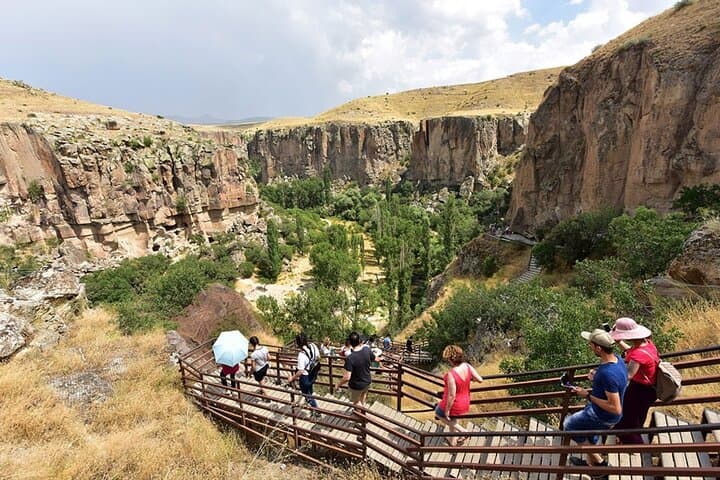
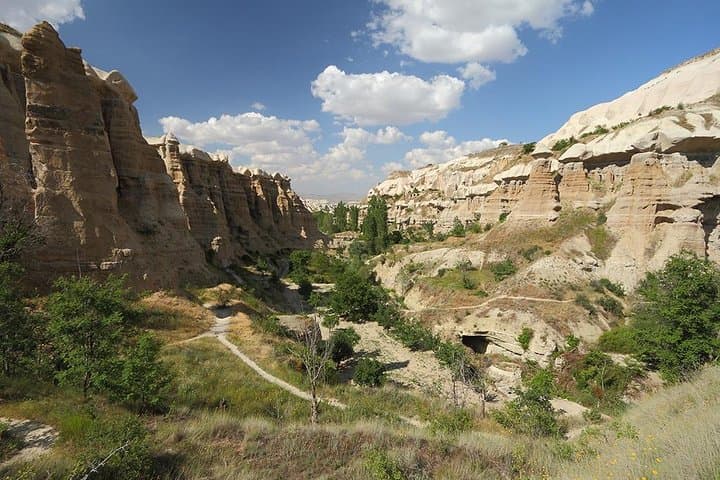
You step off the minibus and the air feels different—drier, mineral-rich, as if the landscape itself is breathing. Riverside reeds murmur along the Melendiz and the canyon walls rise in layered bands of tufa, their hollows carved by wind and water into rooms, niches and pigeon houses that still watch the valley.
Verified experiences and guided adventures in the surrounding area.
Operated by Sonrisa Tours · Göreme, Nevşehir
You step off the minibus and the air feels different—drier, mineral-rich, as if the landscape itself is breathing. Riverside reeds murmur along the Melendiz and the canyon walls rise in layered bands of tufa, their hollows carved by wind and water into rooms, niches and pigeon houses that still watch the valley.
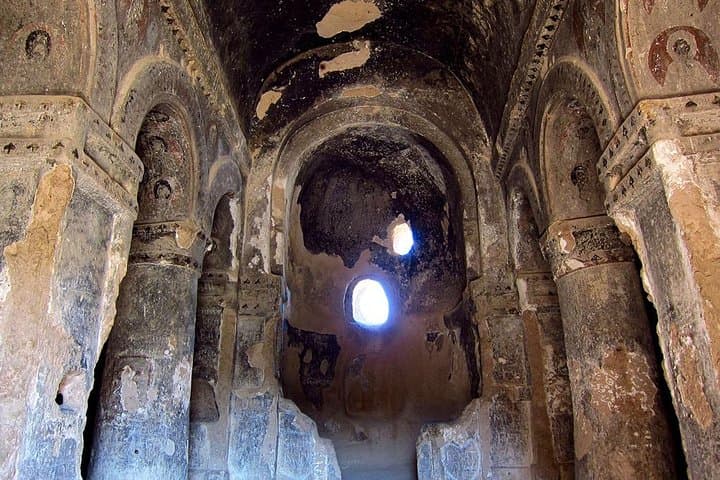
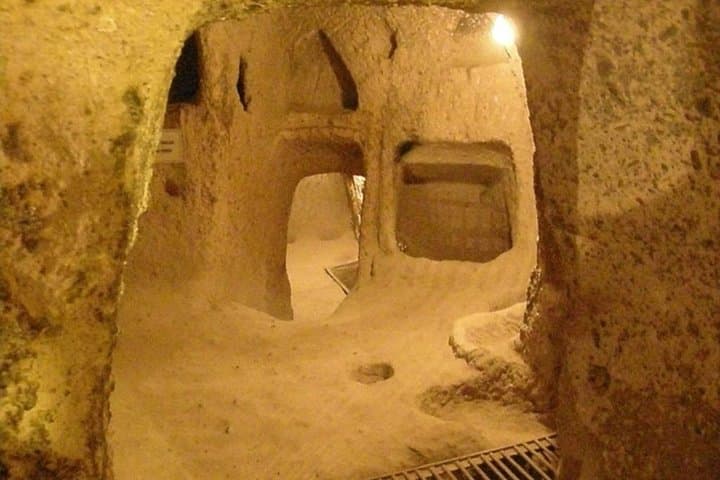
This Green Tour threads two of Cappadocia’s most tangible stories. Derinkuyu’s underground city reveals human ingenuity: multi-level ventilation shafts, stables and churches hewn into soft volcanic tuff used across centuries as refuge. Down in Ihlara Valley the river dares you to slow down; Byzantine frescoes peer out from cave chapels that once hosted hermits and pilgrims.
Geology here is literal—ash and lava from ancient eruptions solidified into tuff, later eroded into the cliffs and fairy chimneys that define the region. Culturally, the area is an intersection of Anatolian farmers, Christian monastics and Ottoman village life; pigeon houses and field terraces remain practical artifacts of that mix.
Practical side: expect about 4 km of walking on uneven, often shaded trails beside the Melendiz River, plus stairs and confined passages in Derinkuyu (levels reach ~85 m deep). Wear sturdy shoes, bring 1–2 liters of water, and time visits to avoid midday heat in summer. Guides usually include entrance fees and a village lunch in Belisirma; photography is allowed in most outdoor and many indoor sites, but respect frescoes and any posted restrictions.
This shared small-group itinerary balances interpretive history with accessible hiking—good for travelers who want both geology and local context without technical climbing or overnight logistics.
moderate.
8 hours.
Reasonable mobility required—comfortable walking on uneven paths, stairs and some narrow passages
Most Green Tour packages include entrance fees to Derinkuyu and Selime Monastery—confirm on booking, but this itinerary lists admission as included.
The guided walk is about 4 km on well-marked but uneven riverside trails—good for most walkers; allow extra time for steps and church visits.
Yes—there’s a village lunch in Belisirma and basic restroom facilities at main stops; facilities vary in quality so carry hand sanitizer.
Families can join, but infants must sit on laps and the underground city involves stairs and low ceilings that may be challenging for young children.
Cappadocia’s underground cities and cave churches were built across centuries by local communities and early Christians seeking refuge and places of worship; many features date from Byzantine eras.
The tuff rock is soft and prone to erosion—stay on marked trails, avoid touching frescoes, and support local guides who follow conservation practices.
Sonrisa Tours operates guided outdoor trips and adventures with an emphasis on safety, stewardship, and memorable experiences.
You step off the minibus and the air feels different—drier, mineral-rich, as if the landscape itself is breathing. Riverside reeds murmur along the Melendiz and the canyon walls rise in layered bands of tufa, their hollows carved by wind and water into rooms, niches and pigeon houses that still watch the valley.
You step off the minibus and the air feels different—drier, mineral-rich, as if the landscape itself is breathing. Riverside reeds murmur along the Melendiz and the canyon walls rise in layered bands of tufa, their hollows carved by wind and water into rooms, niches and pigeon houses that still watch the valley.
This Green Tour threads two of Cappadocia’s most tangible stories. Derinkuyu’s underground city reveals human ingenuity: multi-level ventilation shafts, stables and churches hewn into soft volcanic tuff used across centuries as refuge. Down in Ihlara Valley the river dares you to slow down; Byzantine frescoes peer out from cave chapels that once hosted hermits and pilgrims.
Geology here is literal—ash and lava from ancient eruptions solidified into tuff, later eroded into the cliffs and fairy chimneys that define the region. Culturally, the area is an intersection of Anatolian farmers, Christian monastics and Ottoman village life; pigeon houses and field terraces remain practical artifacts of that mix.
Practical side: expect about 4 km of walking on uneven, often shaded trails beside the Melendiz River, plus stairs and confined passages in Derinkuyu (levels reach ~85 m deep). Wear sturdy shoes, bring 1–2 liters of water, and time visits to avoid midday heat in summer. Guides usually include entrance fees and a village lunch in Belisirma; photography is allowed in most outdoor and many indoor sites, but respect frescoes and any posted restrictions.
This shared small-group itinerary balances interpretive history with accessible hiking—good for travelers who want both geology and local context without technical climbing or overnight logistics.