THE ADVENTURE COLLECTIVE® · Independent discovery and booking for outdoor travel

A full-day excursion from Asunción to the Brazilian side of Iguazu Falls puts you on open observation decks with sweeping, high-elevation views of the cataracts. Expect a long drive, passport checks, humid spray, and easy-to-moderate walking on paved boardwalks.
A full-day excursion from Asunción to the Brazilian side of Iguazu Falls puts you on open observation decks with sweeping, high-elevation views of the cataracts. Expect a long drive, passport checks, humid spray, and easy-to-moderate walking on paved boardwalks.
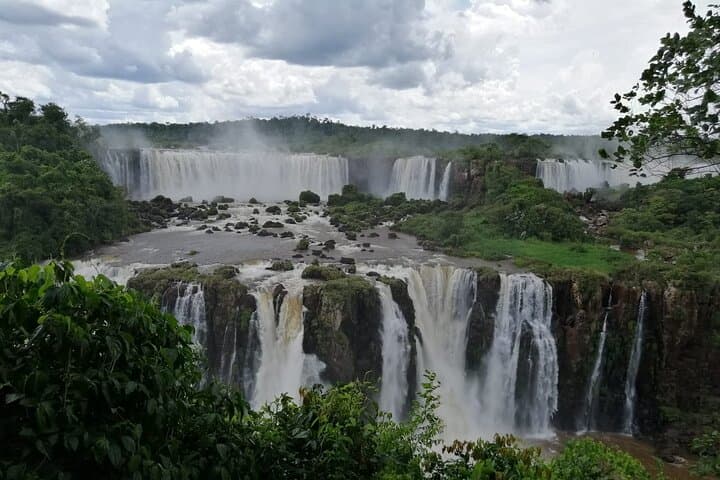
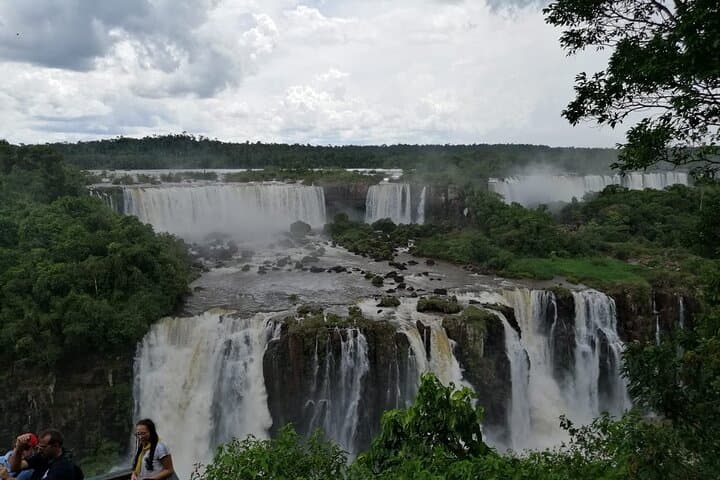
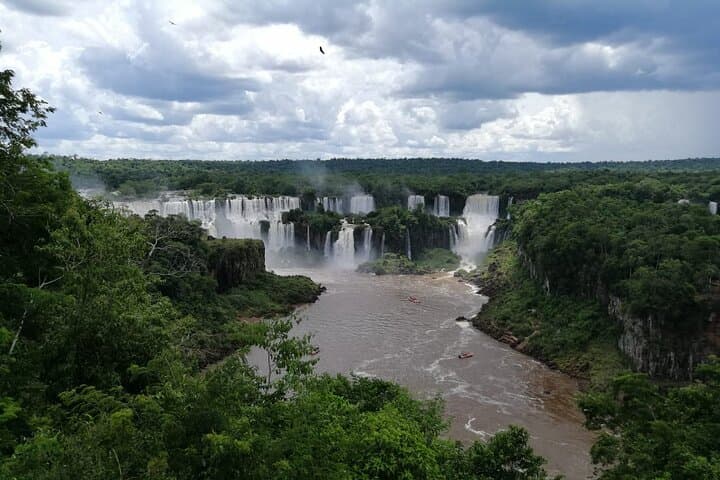
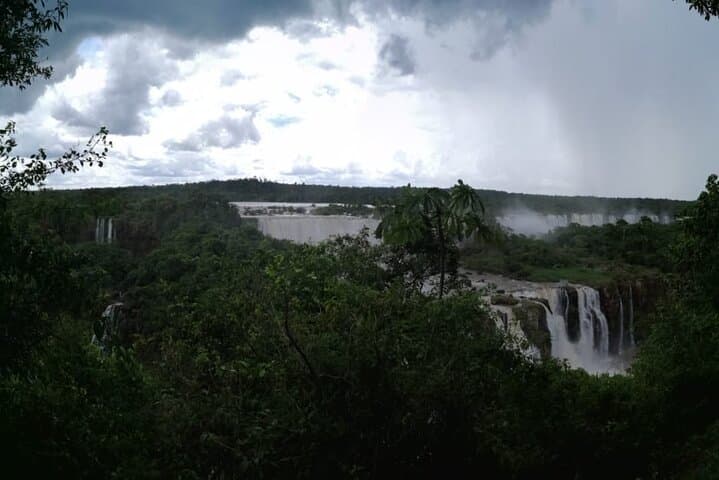
You step out of the vehicle and the air changes—humid, green, and threaded with spray. The sound arrives first: a low, continuous roar that grows into a thunder as you approach the Brazilian viewpoints. From the high, open decks the river dares you to come closer; the main cataracts spread across a broad lip, water folding and collapsing into foam that sends a fine mist onto your skin.
Verified experiences and guided adventures in the surrounding area.
Operated by Translados Paraguay · Foz do Iguaçu, Paraná
You step out of the vehicle and the air changes—humid, green, and threaded with spray. The sound arrives first: a low, continuous roar that grows into a thunder as you approach the Brazilian viewpoints. From the high, open decks the river dares you to come closer; the main cataracts spread across a broad lip, water folding and collapsing into foam that sends a fine mist onto your skin.
Geology here is blunt and ancient: basalt flows from volcanic episodes gave the falls their stepped escarpments, while the Iguazú River carved the gullies over millennia. The park—Parque Nacional do Iguaçu—was established in the 1930s and later recognized alongside Argentina’s protections; the Brazilian side emphasizes panoramic vantage points and broad, accessible walkways. Culture around the falls blends Brazilian border-town industry with Guarani influences in local crafts and place names.
Practical guidance: tours from Asunción run as full-day excursions (expect a long drive and a 12-hour day). Carry your passport for crossing the Paraguay–Brazil border, and check visa requirements ahead of time. The park is open roughly 9:00–17:00; bring a waterproof layer and protect electronics from spray. Trails on the Brazilian side are relatively short with few steep climbs—good for travelers with moderate fitness—but involve wet surfaces and crowded viewpoints.
Timing matters: morning light highlights falling sheets of water, while late afternoon brings warmer tones and fewer tour groups. Respect park rules, keep to marked paths, and plan for snacks or a lunch stop near the visitor center—there’s limited food service mid-trail.
moderate.
12 hours.
Moderate — must handle a day of travel plus 2–3 hours of walking on mostly flat boardwalks and short inclines
Yes — you cross the international border into Brazil, so a valid passport is required; check visa rules for your nationality before booking.
Typical time at the Brazilian park is 2–3 hours on the main circuits and viewpoints, though the whole trip from Asunción is a full-day outing (about 12 hours).
No — the Brazilian side emphasizes panoramic, mostly flat walkways with few steep climbs, but surfaces can be wet and require basic mobility.
Yes — there is a small food outlet partway along the trail and visitor-center amenities near entry, but bring snacks if you prefer.
The area was designated a national park in the 20th century to protect unique falls formed over basalt flows; in 1986 Brazil and Argentina coordinated protections that expanded international recognition.
Park management focuses on limiting trail footprints and visitor impact; stay on marked paths and avoid feeding wildlife to reduce human–animal conflicts.
Translados Paraguay operates guided outdoor trips and adventures with an emphasis on safety, stewardship, and memorable experiences.
You step out of the vehicle and the air changes—humid, green, and threaded with spray. The sound arrives first: a low, continuous roar that grows into a thunder as you approach the Brazilian viewpoints. From the high, open decks the river dares you to come closer; the main cataracts spread across a broad lip, water folding and collapsing into foam that sends a fine mist onto your skin.
You step out of the vehicle and the air changes—humid, green, and threaded with spray. The sound arrives first: a low, continuous roar that grows into a thunder as you approach the Brazilian viewpoints. From the high, open decks the river dares you to come closer; the main cataracts spread across a broad lip, water folding and collapsing into foam that sends a fine mist onto your skin.
Geology here is blunt and ancient: basalt flows from volcanic episodes gave the falls their stepped escarpments, while the Iguazú River carved the gullies over millennia. The park—Parque Nacional do Iguaçu—was established in the 1930s and later recognized alongside Argentina’s protections; the Brazilian side emphasizes panoramic vantage points and broad, accessible walkways. Culture around the falls blends Brazilian border-town industry with Guarani influences in local crafts and place names.
Practical guidance: tours from Asunción run as full-day excursions (expect a long drive and a 12-hour day). Carry your passport for crossing the Paraguay–Brazil border, and check visa requirements ahead of time. The park is open roughly 9:00–17:00; bring a waterproof layer and protect electronics from spray. Trails on the Brazilian side are relatively short with few steep climbs—good for travelers with moderate fitness—but involve wet surfaces and crowded viewpoints.
Timing matters: morning light highlights falling sheets of water, while late afternoon brings warmer tones and fewer tour groups. Respect park rules, keep to marked paths, and plan for snacks or a lunch stop near the visitor center—there’s limited food service mid-trail.