THE ADVENTURE COLLECTIVE® · Independent discovery and booking for outdoor travel

See the Brazilian side of Iguazu Falls and walk among free-flying tropical birds in Parque das Aves on a single, well-paced day. Expect sweeping panoramic viewpoints, accessible trails, and up-close wildlife encounters with conservation-focused interpretation.
See the Brazilian side of Iguazu Falls and walk among free-flying tropical birds in Parque das Aves on a single, well-paced day. Expect sweeping panoramic viewpoints, accessible trails, and up-close wildlife encounters with conservation-focused interpretation.
You arrive where the river decides it cannot be contained any longer. From the Brazilian lookout the falls open like a wide, raw theater—curtains of water throwing spray into the air, the roar pressing into your chest. Walkways take you along a rim that frames the cascade: the Devil’s Throat across the gorge, dozens of lesser curtains fanning outward, and the Atlantic Forest pressing green up to the spray.
Verified experiences and guided adventures in the surrounding area.
Operated by Ni Lo Pienses Tour · Foz do Iguaçu, Paraná
You arrive where the river decides it cannot be contained any longer. From the Brazilian lookout the falls open like a wide, raw theater—curtains of water throwing spray into the air, the roar pressing into your chest. Walkways take you along a rim that frames the cascade: the Devil’s Throat across the gorge, dozens of lesser curtains fanning outward, and the Atlantic Forest pressing green up to the spray.
Geology here is theatrical and recent on a geological scale: basalt plates fractured by volcanic flows and ancient tectonics, creating the steps that send the Iguaçu River falling in more than 275 distinct drops. Culturally, the falls sit at a tri-border crossroads—indigenous Guarani history, Portuguese-Brazilian development, and modern conservation efforts that created Iguaçu National Park and Parque das Aves to protect the rainforest’s species.
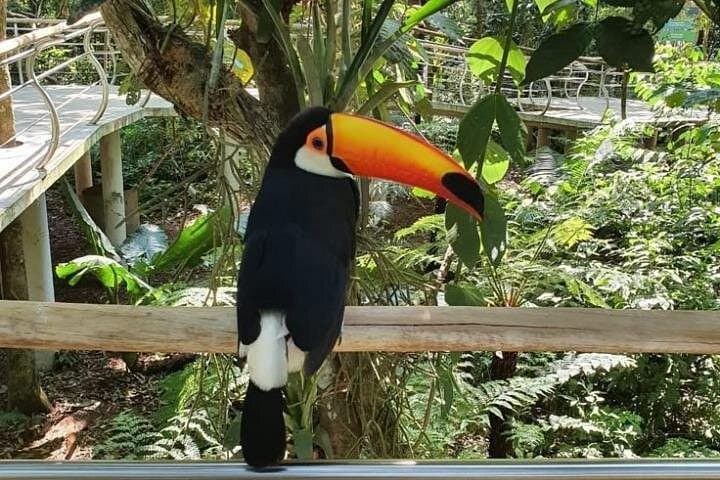
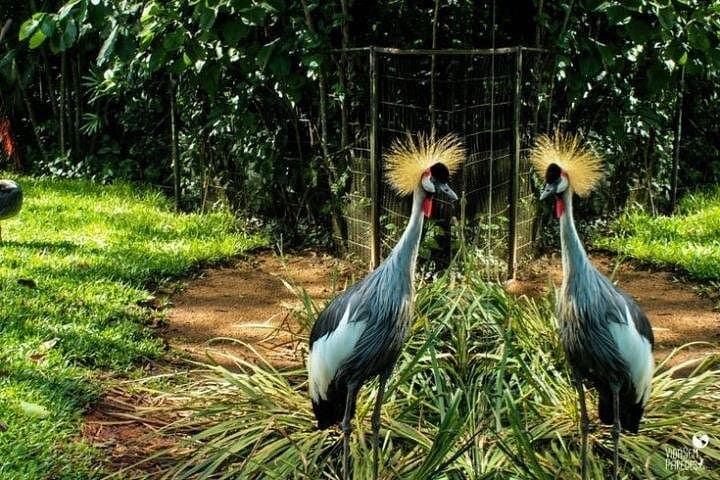
Parque das Aves offers a counterpoint—giant aviaries and shaded trails where toucans, macaws and flamingos move with an easy familiarity, often landing within arm’s reach on trained perches. The experience pairs grand, panoramic waterviews with intimate wildlife encounters, giving a fuller sense of why this area earned UNESCO protection.
Practical guidance: the day trip runs around eight hours with hotel transfer from Puerto Iguazú; trails are paved and mostly accessible but expect wet decks and mist—waterproof shoes and a light rain jacket are invaluable. Carry water, sun protection, and a small dry bag for electronics. Early mornings or late afternoons reduce crowds and strengthen the light for photos. Respect posted paths and the park’s rules—both sites prioritize conservation and safe viewing distances.
easy.
8 hours.
Suitable for most fitness levels; involves gentle walking on paved, often wet paths and short stairs.
The day tour includes entrance to the Brazilian-side viewpoint areas and guided time at Parque das Aves; confirm specifics with the operator before booking.
This is an approximately eight-hour tour with transfers from most downtown Puerto Iguazú hotels included in the cost.
Yes—Brazilian-side trails and Parque das Aves have paved, accessible routes; however some viewing platforms have steps so check with the guide for the best routing.
Guides typically speak English and Spanish; bring water, sun protection, waterproof clothing, and local currency for extras or souvenirs.
The falls have been inhabited by Guarani people for centuries and later became a focus of cross-border conservation efforts that led to the creation of national parks on both sides and UNESCO designation.
Both the national park and Parque das Aves operate with conservation and rehabilitation goals—stay on paths, avoid feeding wildlife, and support local guides who promote sustainable visitation.
Ni Lo Pienses Tour operates guided outdoor trips and adventures with an emphasis on safety, stewardship, and memorable experiences.
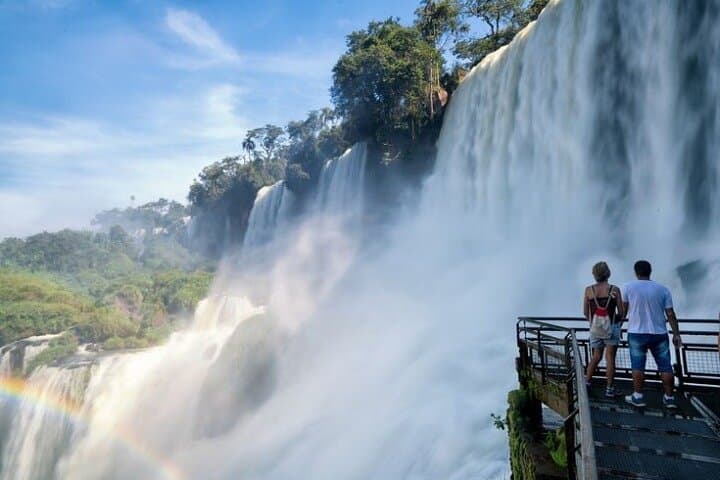

You arrive where the river decides it cannot be contained any longer. From the Brazilian lookout the falls open like a wide, raw theater—curtains of water throwing spray into the air, the roar pressing into your chest. Walkways take you along a rim that frames the cascade: the Devil’s Throat across the gorge, dozens of lesser curtains fanning outward, and the Atlantic Forest pressing green up to the spray.
You arrive where the river decides it cannot be contained any longer. From the Brazilian lookout the falls open like a wide, raw theater—curtains of water throwing spray into the air, the roar pressing into your chest. Walkways take you along a rim that frames the cascade: the Devil’s Throat across the gorge, dozens of lesser curtains fanning outward, and the Atlantic Forest pressing green up to the spray.
Geology here is theatrical and recent on a geological scale: basalt plates fractured by volcanic flows and ancient tectonics, creating the steps that send the Iguaçu River falling in more than 275 distinct drops. Culturally, the falls sit at a tri-border crossroads—indigenous Guarani history, Portuguese-Brazilian development, and modern conservation efforts that created Iguaçu National Park and Parque das Aves to protect the rainforest’s species.
Parque das Aves offers a counterpoint—giant aviaries and shaded trails where toucans, macaws and flamingos move with an easy familiarity, often landing within arm’s reach on trained perches. The experience pairs grand, panoramic waterviews with intimate wildlife encounters, giving a fuller sense of why this area earned UNESCO protection.
Practical guidance: the day trip runs around eight hours with hotel transfer from Puerto Iguazú; trails are paved and mostly accessible but expect wet decks and mist—waterproof shoes and a light rain jacket are invaluable. Carry water, sun protection, and a small dry bag for electronics. Early mornings or late afternoons reduce crowds and strengthen the light for photos. Respect posted paths and the park’s rules—both sites prioritize conservation and safe viewing distances.