THE ADVENTURE COLLECTIVE® · Independent discovery and booking for outdoor travel

Boardwalks, a rattling ecological train and the sheer force of the Devil’s Throat: this full-day tour from Foz do Iguaçu delivers the Argentine perspective on Iguazu Falls. Expect panoramic views, wet close-ups, and clear practical advice on timing and gear.
Boardwalks, a rattling ecological train and the sheer force of the Devil’s Throat: this full-day tour from Foz do Iguaçu delivers the Argentine perspective on Iguazu Falls. Expect panoramic views, wet close-ups, and clear practical advice on timing and gear.
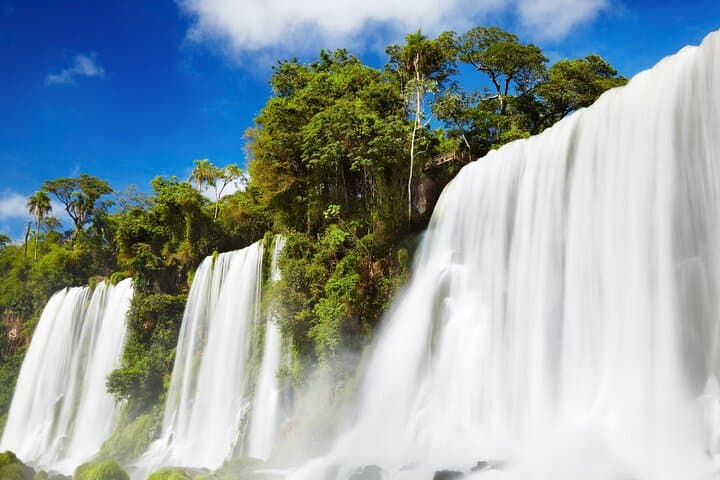
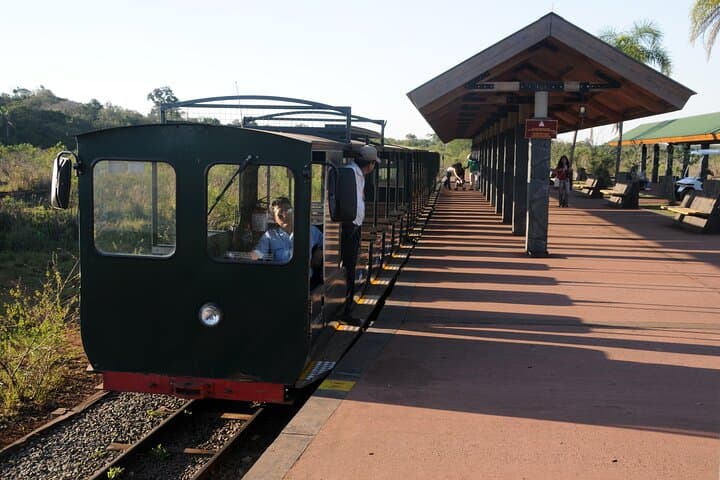
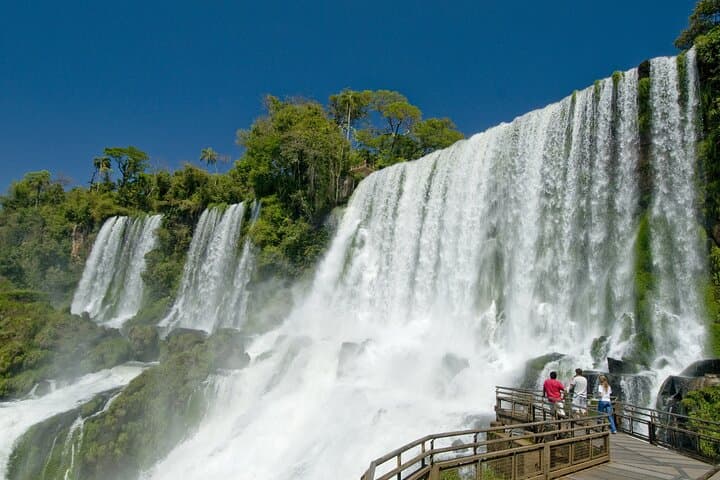
You step off the minivan onto a wooden platform and the river announces itself — a low, persistent roar that gathers into a thunder you feel more than hear. The Ecological Train rattles away into a wet green room of trees, and within minutes you’re walking boardwalks that hover above spray and mist. The Devil’s Throat waits ahead, its torrent pushing air and fine water toward anyone brave enough to the railing.
Verified experiences and guided adventures in the surrounding area.
Operated by Tangol · Foz do Iguaçu, Paraná
You step off the minivan onto a wooden platform and the river announces itself — a low, persistent roar that gathers into a thunder you feel more than hear. The Ecological Train rattles away into a wet green room of trees, and within minutes you’re walking boardwalks that hover above spray and mist. The Devil’s Throat waits ahead, its torrent pushing air and fine water toward anyone brave enough to the railing.
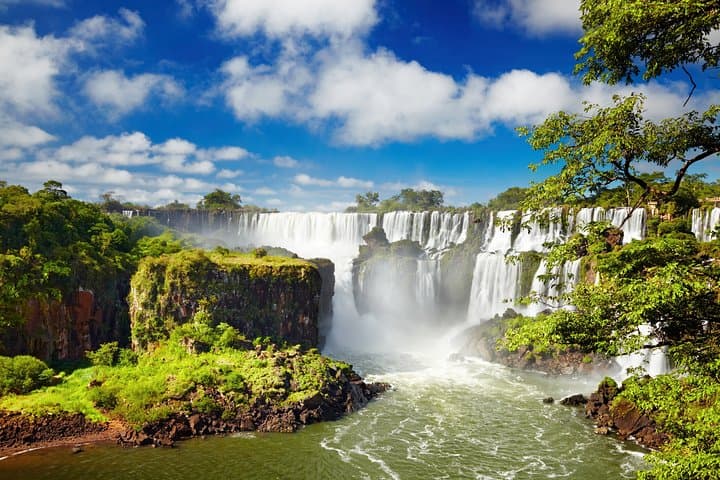
The Argentine side of Iguazu (Parque Nacional Iguazú) offers an interpretive layout of the falls: upper viewpoints for broad panoramas, lower trails that thread close to curtain-like cascades, and the train-and-walk sequence to the Devil’s Throat — the waterfall with the highest flow in the system. Geologically, the falls mark the edge of the Paraná flood basalts; rock layers and stepped escarpments create the multiple drops and islands you’ll pass. Culturally, this is a place shared by Brazilian and Argentine visitors; the Tancredo Neves bridge marks a literal crossing between nations and perspectives.
Practically, expect mostly boardwalks and stairs rather than rugged trails, roughly 4–6 km of walking depending on circuits chosen, and minimal elevation gain. Wear waterproof layers, solid shoes, and carry ID/passport for the border crossing. Morning departures beat the crowds and late-afternoon light softens the spray for photos. Guides explain ecological relationships — how subtropical forest feeds the falls — and point out coatis and toucans along the routes. Waterproof your electronics and keep a lightweight rain shell handy: the falls will not ask politely before they soak you.
easy.
6 hours.
Suitable for most fitness levels — mostly flat boardwalks but some stairs on the lower circuit.
Yes — the tour crosses the Tancredo Neves bridge into Argentina; travelers must carry a valid passport and any required visas.
Many areas on the Argentine side are wheelchair accessible, including key viewpoints, but some lower-circuit sections include steps.
Lunch is not typically included; most itineraries include hotel transfer and guide services but plan to budget for meals at park restaurants or bring snacks.
Early mornings are quieter and cooler; late afternoons offer softer light but may be busier — consider weather and park hours when booking.
The falls lie on the borderland of Argentina and Brazil and have long been significant to indigenous Guarani communities; the area became a national park in Argentina in 1934 to protect its unique landscapes.
Park authorities manage visitor flow and boardwalks to protect fragile soils and vegetation; stick to designated paths and avoid feeding wildlife to minimize human impact.
Tangol operates guided outdoor trips and adventures with an emphasis on safety, stewardship, and memorable experiences.
You step off the minivan onto a wooden platform and the river announces itself — a low, persistent roar that gathers into a thunder you feel more than hear. The Ecological Train rattles away into a wet green room of trees, and within minutes you’re walking boardwalks that hover above spray and mist. The Devil’s Throat waits ahead, its torrent pushing air and fine water toward anyone brave enough to the railing.
You step off the minivan onto a wooden platform and the river announces itself — a low, persistent roar that gathers into a thunder you feel more than hear. The Ecological Train rattles away into a wet green room of trees, and within minutes you’re walking boardwalks that hover above spray and mist. The Devil’s Throat waits ahead, its torrent pushing air and fine water toward anyone brave enough to the railing.
The Argentine side of Iguazu (Parque Nacional Iguazú) offers an interpretive layout of the falls: upper viewpoints for broad panoramas, lower trails that thread close to curtain-like cascades, and the train-and-walk sequence to the Devil’s Throat — the waterfall with the highest flow in the system. Geologically, the falls mark the edge of the Paraná flood basalts; rock layers and stepped escarpments create the multiple drops and islands you’ll pass. Culturally, this is a place shared by Brazilian and Argentine visitors; the Tancredo Neves bridge marks a literal crossing between nations and perspectives.
Practically, expect mostly boardwalks and stairs rather than rugged trails, roughly 4–6 km of walking depending on circuits chosen, and minimal elevation gain. Wear waterproof layers, solid shoes, and carry ID/passport for the border crossing. Morning departures beat the crowds and late-afternoon light softens the spray for photos. Guides explain ecological relationships — how subtropical forest feeds the falls — and point out coatis and toucans along the routes. Waterproof your electronics and keep a lightweight rain shell handy: the falls will not ask politely before they soak you.