THE ADVENTURE COLLECTIVE® · Independent discovery and booking for outdoor travel

A full-day tour of Argentina’s Iguazú National Park takes you along the Upper and Lower Circuits and to the Garganta del Diablo. Expect thunderous views, jungle trails, and an ecological train that links the park’s most dramatic vantage points.
A full-day tour of Argentina’s Iguazú National Park takes you along the Upper and Lower Circuits and to the Garganta del Diablo. Expect thunderous views, jungle trails, and an ecological train that links the park’s most dramatic vantage points.
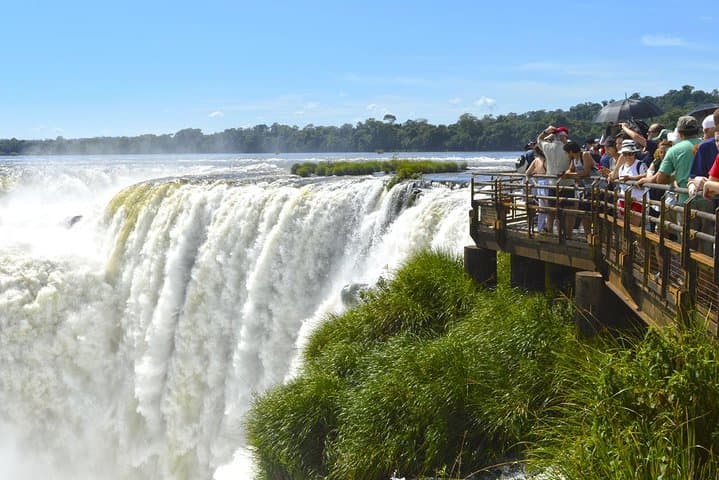
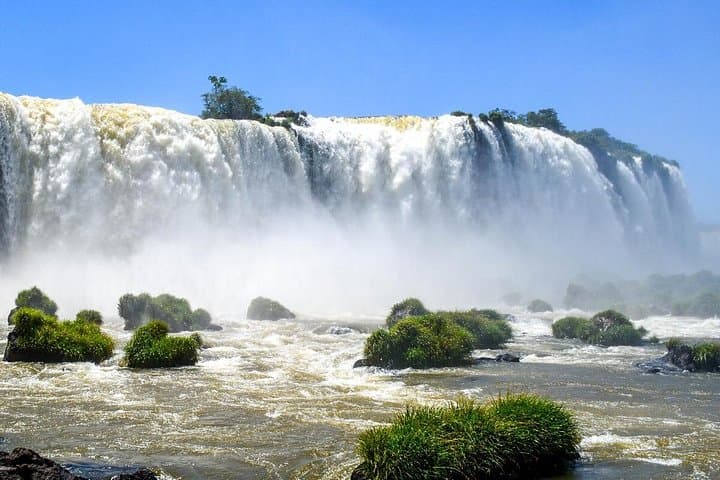
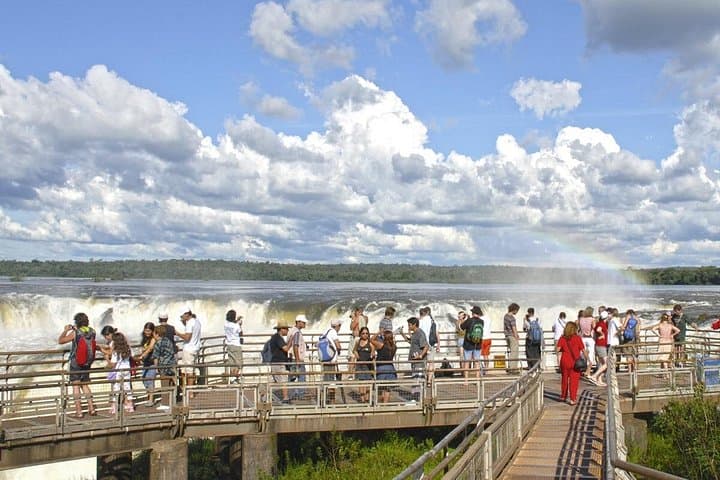
Mist hangs over a dozen cascades as the train pushes into the park; the first roar hits your chest before the falls come into view. Walkways fan out over churning water, linking broad panoramic decks to the narrow throat where the river hurls itself into mist and rainbow.
Verified experiences and guided adventures in the surrounding area.
Operated by NORDIC TRAVEL EVT · Puerto Iguazú, Misiones
Mist hangs over a dozen cascades as the train pushes into the park; the first roar hits your chest before the falls come into view. Walkways fan out over churning water, linking broad panoramic decks to the narrow throat where the river hurls itself into mist and rainbow.
Iguazú sits on the boundary of Misiones province and Brazil, carved from basalt flows laid down by ancient volcanic activity that cracked into the jagged step-plateaus you see today. The national park, created in the 1930s and named a UNESCO World Heritage Site in 1984, is also home to Guaraní communities whose river knowledge shaped local guiding traditions.
The standard full-day tour covers the Upper and Lower Circuits and the Garganta del Diablo (Devil’s Throat) via the park’s ecological train, offering both sweeping vistas and close-up thunder. For a quieter jungle stretch, the 3 km Macuco Trail follows forest tracks and can yield sightings of capuchin monkeys and toucans.
Practical guidance is straightforward: allow 6–8 hours for a relaxed visit, bring rain protection for the frequent spray, and wear grippy shoes—the walkways are well built but can be wet. The ecological train reduces walking distance but expect stairs at viewpoints. Morning light favors photos at the Garganta; late afternoon can be warmer and busier.
Permits and entrance fees are handled at the park; many tours include hotel pickup and AC transport. Respect signage, don’t feed wildlife, and carry reusable water—there are refill points but limited services on some trails. With planning, a day here is both accessible and elemental: water daring you to stand close and watch the earth push itself over the edge.
moderate.
6–8 hours.
Light to moderate fitness; must be able to walk several kilometers with some stairs and standing time
Some tour options include entrance; check the booking details—this excursion includes transfers but confirm whether national park tickets are covered.
Many main walkways and viewing platforms are accessible, and the operator notes wheelchair accessibility—confirm specifics when booking to arrange transfers and assistance.
Yes, the Macuco Trail is an optional 3 km jungle walk; it’s unpaved and more strenuous, so wear appropriate shoes and expect closer wildlife encounters.
Dry season (May–September) offers slightly lower flows and clearer trails; high water in summer (Dec–Mar) increases spray and dramatic flow but can limit visibility.
Iguazú National Park was established in the 1930s and recognized by UNESCO in 1984; the falls have cultural significance for local Guaraní communities.
The park manages visitor flow via boardwalks and trains to protect sensitive riverbanks—stay on designated paths and avoid feeding wildlife to minimize human impact.
NORDIC TRAVEL EVT operates guided outdoor trips and adventures with an emphasis on safety, stewardship, and memorable experiences.

Mist hangs over a dozen cascades as the train pushes into the park; the first roar hits your chest before the falls come into view. Walkways fan out over churning water, linking broad panoramic decks to the narrow throat where the river hurls itself into mist and rainbow.
Mist hangs over a dozen cascades as the train pushes into the park; the first roar hits your chest before the falls come into view. Walkways fan out over churning water, linking broad panoramic decks to the narrow throat where the river hurls itself into mist and rainbow.
Iguazú sits on the boundary of Misiones province and Brazil, carved from basalt flows laid down by ancient volcanic activity that cracked into the jagged step-plateaus you see today. The national park, created in the 1930s and named a UNESCO World Heritage Site in 1984, is also home to Guaraní communities whose river knowledge shaped local guiding traditions.
The standard full-day tour covers the Upper and Lower Circuits and the Garganta del Diablo (Devil’s Throat) via the park’s ecological train, offering both sweeping vistas and close-up thunder. For a quieter jungle stretch, the 3 km Macuco Trail follows forest tracks and can yield sightings of capuchin monkeys and toucans.
Practical guidance is straightforward: allow 6–8 hours for a relaxed visit, bring rain protection for the frequent spray, and wear grippy shoes—the walkways are well built but can be wet. The ecological train reduces walking distance but expect stairs at viewpoints. Morning light favors photos at the Garganta; late afternoon can be warmer and busier.
Permits and entrance fees are handled at the park; many tours include hotel pickup and AC transport. Respect signage, don’t feed wildlife, and carry reusable water—there are refill points but limited services on some trails. With planning, a day here is both accessible and elemental: water daring you to stand close and watch the earth push itself over the edge.