THE ADVENTURE COLLECTIVE® · Independent discovery and booking for outdoor travel

See Iguazú Falls from both Argentina and Brazil in a focused two-day itinerary. Walkboard viewpoints, ride the Argentine jungle train to Devil’s Throat, and take the panoramic Brazilian promenade for cross-border perspectives.
See Iguazú Falls from both Argentina and Brazil in a focused two-day itinerary. Walkboard viewpoints, ride the Argentine jungle train to Devil’s Throat, and take the panoramic Brazilian promenade for cross-border perspectives.
You step onto a timbered walkway and the falls announce themselves: a column of spray, a bass roar that presses at the ribs, and the river suddenly deciding to fall. Morning light fractures across mist and rainbows; the boardwalks lead you to viewpoints where water dares you to stand closer.
Verified experiences and guided adventures in the surrounding area.
Operated by Gray Line Argentina · Puerto Iguazú, Misiones
You step onto a timbered walkway and the falls announce themselves: a column of spray, a bass roar that presses at the ribs, and the river suddenly deciding to fall. Morning light fractures across mist and rainbows; the boardwalks lead you to viewpoints where water dares you to stand closer.
Geology and history are plain here — the Iguazú River, born in Brazil’s Paraná, runs roughly 1,200 km before the plain drops along a basalt fault. That drop produces dozens of cataracts, the most dramatic being the Devil’s Throat (Garganta del Diablo), an 80-meter plunge that dominates both sound and sight. The area is also a cultural border: Puerto Iguazú serves as the Argentine gateway while Foz do Iguaçu services the Brazilian side; the region has long ties to Guaraní communities and frontier trade.
On day one, Argentina’s Upper and Lower Circuits and the train to the Devil’s Throat deliver intimate, wet encounters with multiple viewpoints and stairs; day two’s 1,200-meter Brazilian promenade gives sweeping panoramas and an elevator to an elevated terrace. Trails are mostly boardwalks and paved paths with minimal elevation gain, but expect slippery surfaces and heavy spray.
Practicalities matter: present ID or passport at park entrances, pay the Brazilian park fee (about BRL 88), and check visa requirements before crossing. Bring a lightweight rain jacket, quick-dry layers, sturdy non-slip shoes, insect repellent, and a waterproof camera or case. Early starts reduce crowds and maximize light for photos; guides will time visits to hit the best viewpoints. For a two-day visit, plan for significant walking spread across easy, well-maintained circuits and unforgettable, thunderous views.
easy.
2 days.
Suitable for most fitness levels; expect several hours of walking each day on paved and boardwalk terrain with some stairs.
Yes—crossing between Argentina and Brazil requires proper ID; many nationalities need a passport and some require visas, so check entry rules before travel.
Entrance to the Brazilian park is typically paid at the gate (about BRL 88); confirm with your operator whether Argentine park fees are included in your package.
Both parks offer accessible sections—the Brazilian promenade has an elevator and paved viewpoints; ask the operator about specific accessible options during booking.
Early morning visits offer cooler temperatures, fewer crowds, and better light for photos; mid-afternoon can be rainy in summer.
The falls sit on a basalt escarpment formed by ancient volcanic flows; the area has long been inhabited by Guaraní peoples and later became a 20th-century cross-border tourism hub.
Both parks prioritize habitat protection and visitor management—stay on designated paths, avoid feeding wildlife, and pack out waste to minimize impact.
Gray Line Argentina operates guided outdoor trips and adventures with an emphasis on safety, stewardship, and memorable experiences.
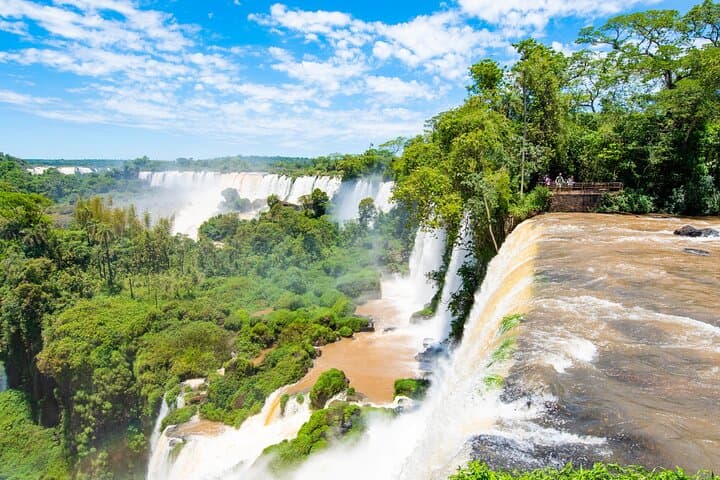
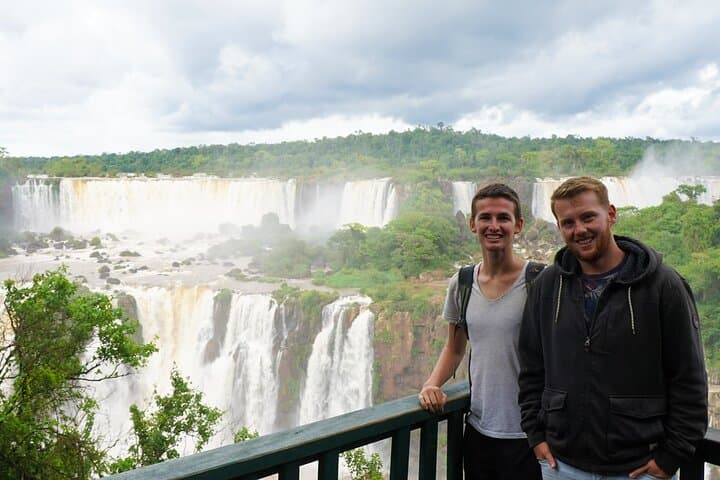

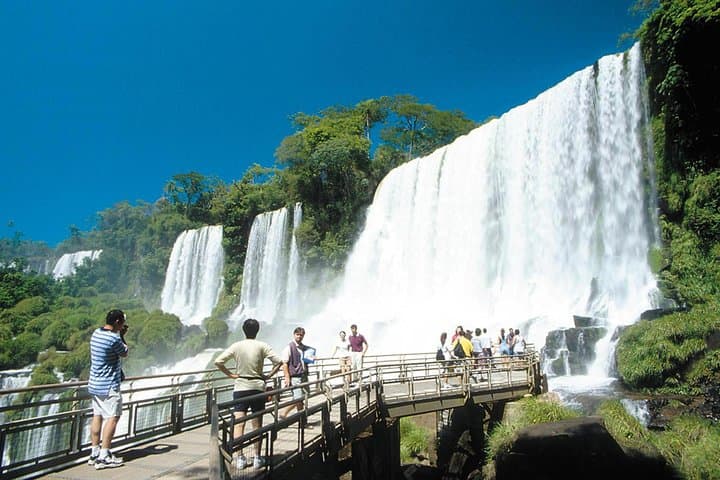
You step onto a timbered walkway and the falls announce themselves: a column of spray, a bass roar that presses at the ribs, and the river suddenly deciding to fall. Morning light fractures across mist and rainbows; the boardwalks lead you to viewpoints where water dares you to stand closer.
You step onto a timbered walkway and the falls announce themselves: a column of spray, a bass roar that presses at the ribs, and the river suddenly deciding to fall. Morning light fractures across mist and rainbows; the boardwalks lead you to viewpoints where water dares you to stand closer.
Geology and history are plain here — the Iguazú River, born in Brazil’s Paraná, runs roughly 1,200 km before the plain drops along a basalt fault. That drop produces dozens of cataracts, the most dramatic being the Devil’s Throat (Garganta del Diablo), an 80-meter plunge that dominates both sound and sight. The area is also a cultural border: Puerto Iguazú serves as the Argentine gateway while Foz do Iguaçu services the Brazilian side; the region has long ties to Guaraní communities and frontier trade.
On day one, Argentina’s Upper and Lower Circuits and the train to the Devil’s Throat deliver intimate, wet encounters with multiple viewpoints and stairs; day two’s 1,200-meter Brazilian promenade gives sweeping panoramas and an elevator to an elevated terrace. Trails are mostly boardwalks and paved paths with minimal elevation gain, but expect slippery surfaces and heavy spray.
Practicalities matter: present ID or passport at park entrances, pay the Brazilian park fee (about BRL 88), and check visa requirements before crossing. Bring a lightweight rain jacket, quick-dry layers, sturdy non-slip shoes, insect repellent, and a waterproof camera or case. Early starts reduce crowds and maximize light for photos; guides will time visits to hit the best viewpoints. For a two-day visit, plan for significant walking spread across easy, well-maintained circuits and unforgettable, thunderous views.