THE ADVENTURE COLLECTIVE® · Independent discovery and booking for outdoor travel

Experience Iguassu’s twin personalities: the Brazilian side’s grand panoramas and the Argentine side’s up-close thunder. This multi-day tour from Foz do Iguaçu pairs waterfalls with a panoramic Itaipu visit and a local city tour.
Experience Iguassu’s twin personalities: the Brazilian side’s grand panoramas and the Argentine side’s up-close thunder. This multi-day tour from Foz do Iguaçu pairs waterfalls with a panoramic Itaipu visit and a local city tour.
The air tastes like spray and green in the dawn light as the first viewpoints reveal a stitched line of white—water falling hard enough to make the ground tremble. On this multi-day loop from Foz do Iguaçu you move between perspectives: the wide, theatrical panoramas of the Brazilian side and the intimate, thunderous walkways of the Argentine Cataratas.
Verified experiences and guided adventures in the surrounding area.
Operated by Gray Line Brazil · Foz do Iguaçu, Paraná
The air tastes like spray and green in the dawn light as the first viewpoints reveal a stitched line of white—water falling hard enough to make the ground tremble. On this multi-day loop from Foz do Iguaçu you move between perspectives: the wide, theatrical panoramas of the Brazilian side and the intimate, thunderous walkways of the Argentine Cataratas.
Geology here is simple and dramatic: basalt escarpments guide the Paraná River into 275 distinct drops, sculpted over millions of years by volcanic rock and relentless flow. European records date to the 16th century, yet the falls sit within Guaraní lands and two protected national parks that safeguard subtropical rainforest and a surprising diversity of birds and mammals.
The itinerary mixes nature and engineering—an Itaipu panoramic visit and the city tour add cultural contrast, from the mosque to the Buddhist temple and the Ecomuseum. Practicalities shape the rhythm: a 2,080‑meter footbridge leads to the Garganta del Diablo on the Argentine side, while Brazil’s shorter 1‑kilometer walk offers sweeping vantage points and wildlife sightings like coatis and toucans.
Plan for wet shoes and clear IDs—crossing into Argentina requires proper documents and local currency for park fees. Expect 1–4 hours of walking on paved and metal boardwalks per waterfalls day; bring layered waterproofs, insect repellent, and a quick‑dry set for camera gear. Early starts cut crowding and catch the best light for rainbows. If time is tight, the operator can compress both sides into one long day, but three nights are recommended to absorb the full scope of falls, flora, and the engineered grandeur of Itaipu.
moderate.
3–4 days (multi-day tour).
Moderate fitness; participants should be comfortable walking 1–4 hours per day on paved and metal boardwalks, including some stairs.
No—national park entrance fees for both Brazilian and Argentine sides are not included and must be purchased locally or online prior to arrival.
Yes—crossing into Argentina requires a passport or accepted national ID depending on nationality; check visa rules in advance and carry documents for children.
The falls walks are suitable for most ages, though the Garganta del Diablo footbridge is long; the operator notes the tour is suitable for all fitness levels but mobility limitations may restrict access to some viewpoints.
Sometimes—if schedules are tight the operator can combine visits into a single long day, but a three‑night stay is recommended to fully experience both parks and Itaipu.
European explorers recorded the falls in the 16th century, but the area has long been inhabited by Guaraní communities; both sides are now protected national parks.
Both national parks enforce visitor rules to protect fragile habitats and trail corridors; Itaipu runs reforestation and species‑recovery programs tied to its hydroelectric operations.
Gray Line Brazil operates guided outdoor trips and adventures with an emphasis on safety, stewardship, and memorable experiences.

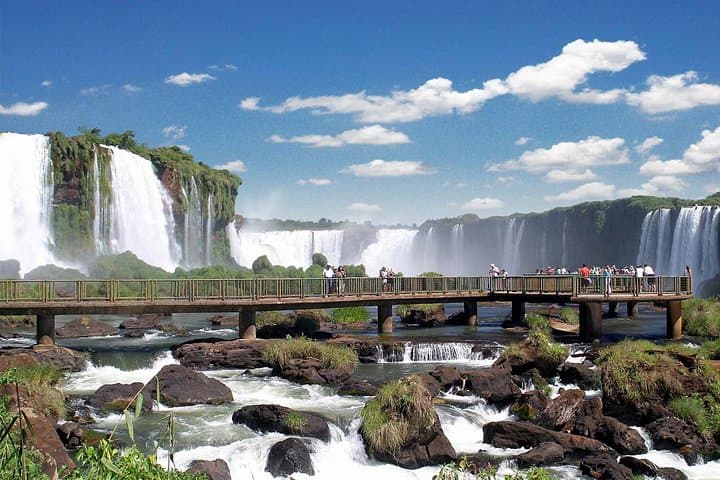
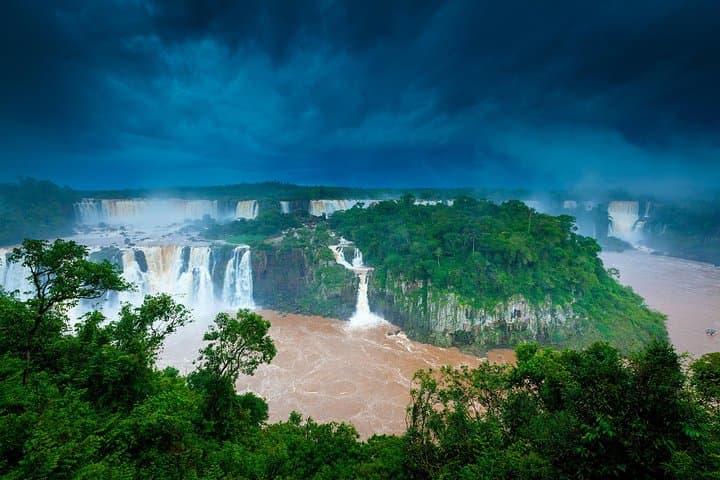
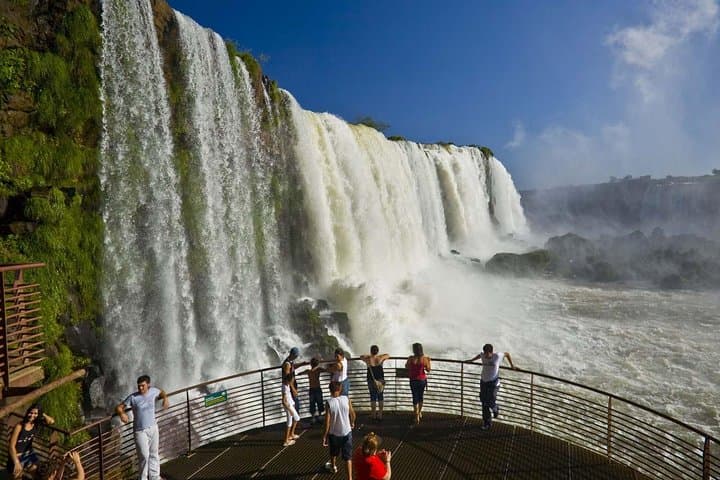
The air tastes like spray and green in the dawn light as the first viewpoints reveal a stitched line of white—water falling hard enough to make the ground tremble. On this multi-day loop from Foz do Iguaçu you move between perspectives: the wide, theatrical panoramas of the Brazilian side and the intimate, thunderous walkways of the Argentine Cataratas.
The air tastes like spray and green in the dawn light as the first viewpoints reveal a stitched line of white—water falling hard enough to make the ground tremble. On this multi-day loop from Foz do Iguaçu you move between perspectives: the wide, theatrical panoramas of the Brazilian side and the intimate, thunderous walkways of the Argentine Cataratas.
Geology here is simple and dramatic: basalt escarpments guide the Paraná River into 275 distinct drops, sculpted over millions of years by volcanic rock and relentless flow. European records date to the 16th century, yet the falls sit within Guaraní lands and two protected national parks that safeguard subtropical rainforest and a surprising diversity of birds and mammals.
The itinerary mixes nature and engineering—an Itaipu panoramic visit and the city tour add cultural contrast, from the mosque to the Buddhist temple and the Ecomuseum. Practicalities shape the rhythm: a 2,080‑meter footbridge leads to the Garganta del Diablo on the Argentine side, while Brazil’s shorter 1‑kilometer walk offers sweeping vantage points and wildlife sightings like coatis and toucans.
Plan for wet shoes and clear IDs—crossing into Argentina requires proper documents and local currency for park fees. Expect 1–4 hours of walking on paved and metal boardwalks per waterfalls day; bring layered waterproofs, insect repellent, and a quick‑dry set for camera gear. Early starts cut crowding and catch the best light for rainbows. If time is tight, the operator can compress both sides into one long day, but three nights are recommended to absorb the full scope of falls, flora, and the engineered grandeur of Itaipu.