THE ADVENTURE COLLECTIVE® · Independent discovery and booking for outdoor travel

See roughly 90% of Iguaçu’s falls from the Brazilian side on a four‑hour guided tour that combines panoramic viewpoints with a short city introduction to Foz do Iguaçu. Expect powerful spray, accessible walkways and options for boat or helicopter add‑ons.
See roughly 90% of Iguaçu’s falls from the Brazilian side on a four‑hour guided tour that combines panoramic viewpoints with a short city introduction to Foz do Iguaçu. Expect powerful spray, accessible walkways and options for boat or helicopter add‑ons.
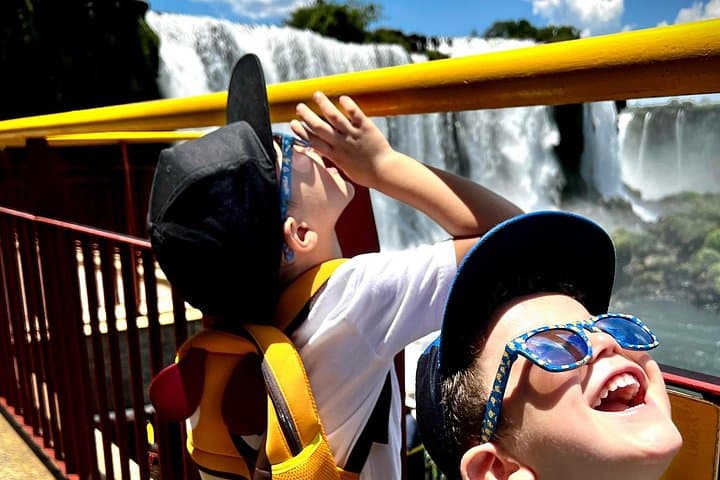
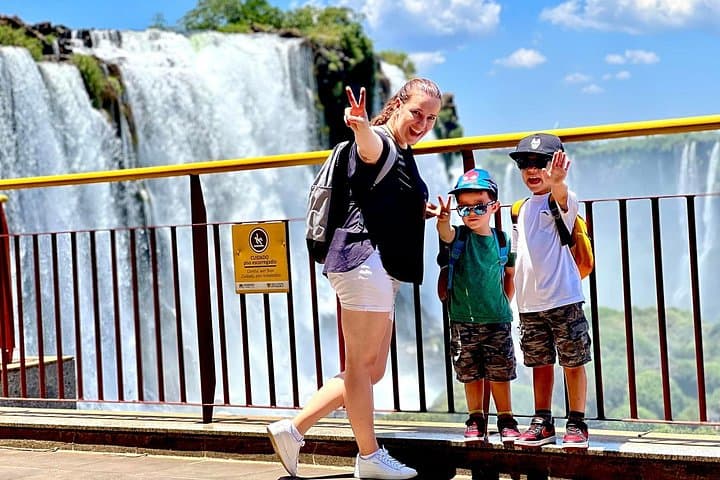
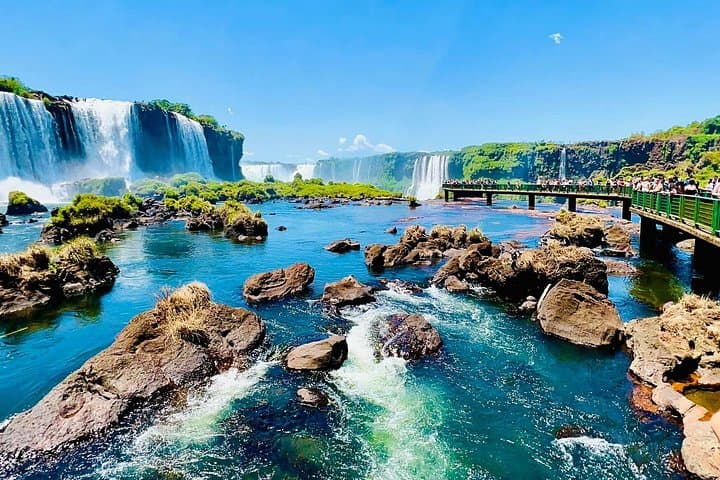
You step out of the air‑conditioned van and the falls announce themselves before you see them—the air thick with spray, a distant roar that keeps getting louder until it fills the trail. On the Brazilian side the viewpoints pull back to reveal the whole system: a braided curtain of water, more than 270 drops that torque the Iguaçu River into thunder. The Devil’s Throat (Garganta do Diabo) cuts a horseshoe of mist and foam; from the panoramic bridge you feel the canyon pulling at the sound.
Verified experiences and guided adventures in the surrounding area.
Operated by EBL - Tours · Foz do Iguaçu, Paraná
You step out of the air‑conditioned van and the falls announce themselves before you see them—the air thick with spray, a distant roar that keeps getting louder until it fills the trail. On the Brazilian side the viewpoints pull back to reveal the whole system: a braided curtain of water, more than 270 drops that torque the Iguaçu River into thunder. The Devil’s Throat (Garganta do Diabo) cuts a horseshoe of mist and foam; from the panoramic bridge you feel the canyon pulling at the sound.
The park is part of a UNESCO World Heritage Site protecting roughly 185,000 hectares of Atlantic Forest, an ecosystem shaped by volcanic flows and river erosion over millennia. The name Iguaçu comes from Guaraní—“big water”—a reminder of Indigenous roots and the longstanding cultural ties to this landscape. The Brazilian side emphasizes wide vistas and camera-ready platforms, while nearby Foz do Iguaçu offers a practical hub of hotels, dining and the tri‑border viewpoint where three countries meet.
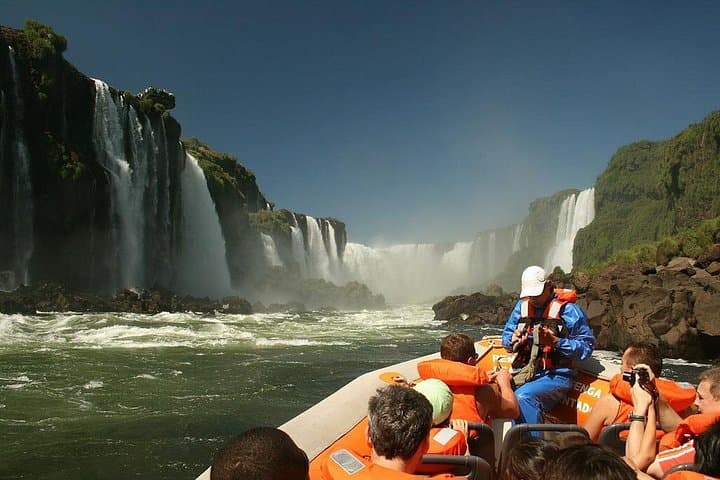
Practically speaking, the half‑day itinerary runs about four hours with private transport and multilingual guides. Wear sturdy shoes, bring sun protection and a waterproof layer—the spray is relentless at close range. Accessibility is strong: a panoramic elevator and paved walkways reduce stairs on main circuits. If you want more adrenaline, boat rides and helicopter flights are bookable locally; otherwise plan mornings for clearer light and lighter crowds, and expect heavier flow during the Southern Hemisphere summer (Dec–Mar).
This tour balances big‑picture panoramas with local context, so you leave with photos—and with an understanding of the geology, ecology and logistics that make Iguaçu one of South America’s most immediate outdoor experiences.
easy.
3–4 hours.
Suitable for travelers in average physical condition; most viewpoints are on paved or boardwalk trails with short stair sections.
Admission is typically not included; check with the operator before booking so you can pay the national park fee on arrival or have it added to your package.
Yes—the Brazilian circuit leads to a panoramic bridge with sweeping views of Devil’s Throat; expect strong spray and brilliant rainbows on sunny days.
Boat and helicopter excursions are not included in the standard half‑day tour and must be booked separately at the park or through the provider as an add‑on.
Major viewing platforms on the Brazilian side are accessible via ramps and a panoramic elevator, but some areas still involve short slopes and wet surfaces—confirm accessibility needs with the operator.
Iguaçu National Park (Brazil) was declared a UNESCO World Heritage Site and protects Atlantic Forest and Indigenous cultural links; the falls’ name derives from the Guaraní words for 'big water.'
The park manages visitor flow with boardwalks and viewing platforms to limit erosion; visitors should stay on marked trails, avoid feeding wildlife, and use refillable bottles to reduce waste.
EBL - Tours operates guided outdoor trips and adventures with an emphasis on safety, stewardship, and memorable experiences.
You step out of the air‑conditioned van and the falls announce themselves before you see them—the air thick with spray, a distant roar that keeps getting louder until it fills the trail. On the Brazilian side the viewpoints pull back to reveal the whole system: a braided curtain of water, more than 270 drops that torque the Iguaçu River into thunder. The Devil’s Throat (Garganta do Diabo) cuts a horseshoe of mist and foam; from the panoramic bridge you feel the canyon pulling at the sound.
You step out of the air‑conditioned van and the falls announce themselves before you see them—the air thick with spray, a distant roar that keeps getting louder until it fills the trail. On the Brazilian side the viewpoints pull back to reveal the whole system: a braided curtain of water, more than 270 drops that torque the Iguaçu River into thunder. The Devil’s Throat (Garganta do Diabo) cuts a horseshoe of mist and foam; from the panoramic bridge you feel the canyon pulling at the sound.
The park is part of a UNESCO World Heritage Site protecting roughly 185,000 hectares of Atlantic Forest, an ecosystem shaped by volcanic flows and river erosion over millennia. The name Iguaçu comes from Guaraní—“big water”—a reminder of Indigenous roots and the longstanding cultural ties to this landscape. The Brazilian side emphasizes wide vistas and camera-ready platforms, while nearby Foz do Iguaçu offers a practical hub of hotels, dining and the tri‑border viewpoint where three countries meet.
Practically speaking, the half‑day itinerary runs about four hours with private transport and multilingual guides. Wear sturdy shoes, bring sun protection and a waterproof layer—the spray is relentless at close range. Accessibility is strong: a panoramic elevator and paved walkways reduce stairs on main circuits. If you want more adrenaline, boat rides and helicopter flights are bookable locally; otherwise plan mornings for clearer light and lighter crowds, and expect heavier flow during the Southern Hemisphere summer (Dec–Mar).
This tour balances big‑picture panoramas with local context, so you leave with photos—and with an understanding of the geology, ecology and logistics that make Iguaçu one of South America’s most immediate outdoor experiences.