THE ADVENTURE COLLECTIVE® · Independent discovery and booking for outdoor travel

A four-hour small-group shore excursion from Hoonah that targets coastal brown bear sightings in Icy Strait. Mobile guides, short hikes and estuary viewpoints maximize wildlife encounters while minimizing impact.
A four-hour small-group shore excursion from Hoonah that targets coastal brown bear sightings in Icy Strait. Mobile guides, short hikes and estuary viewpoints maximize wildlife encounters while minimizing impact.
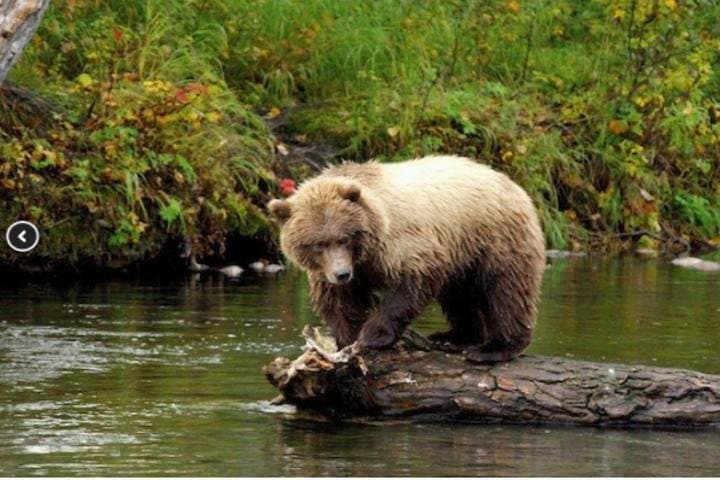
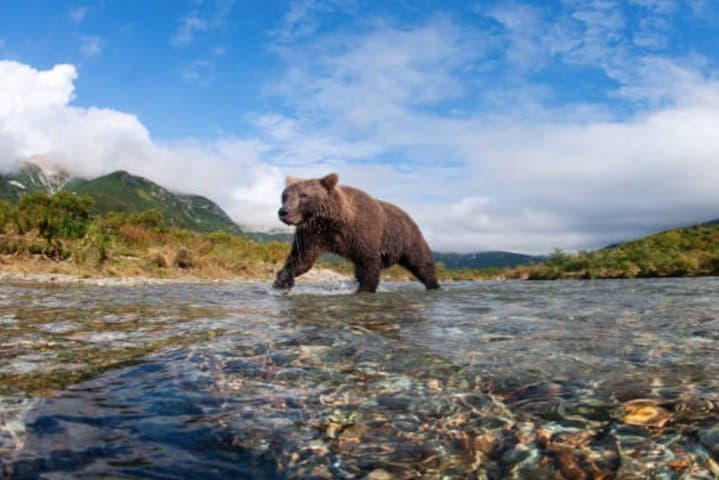
Fog peels back from spruce and hemlock as your skiff eases toward a low-lying island. The air smells of kelp and river mud; gulls circle like weathered sentinels while guides scan tidal flats and muskeg for the flash of brown fur. On this four-hour shore excursion from Hoonah you move deliberately — small group, quick repositioning — to where coastal brown bears feed on salmon runs and tide-line life.
Verified experiences and guided adventures in the surrounding area.
Operated by My Holidays Online · Hoonah, Alaska
Fog peels back from spruce and hemlock as your skiff eases toward a low-lying island. The air smells of kelp and river mud; gulls circle like weathered sentinels while guides scan tidal flats and muskeg for the flash of brown fur. On this four-hour shore excursion from Hoonah you move deliberately — small group, quick repositioning — to where coastal brown bears feed on salmon runs and tide-line life.
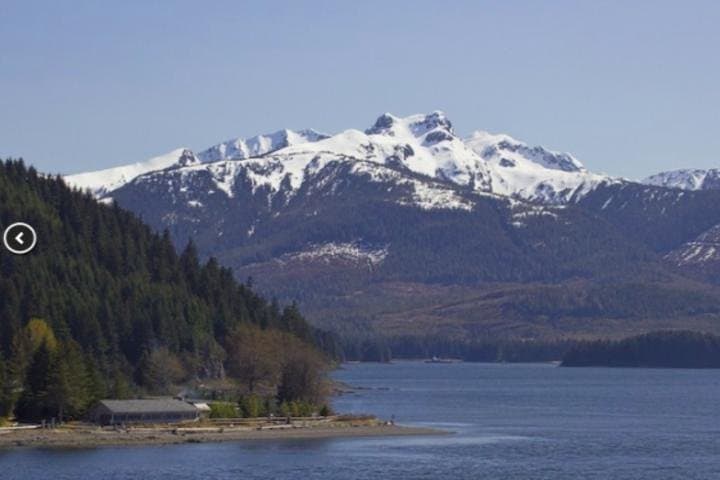
Geology here is glacially sculpted: shallow bays, sediment-rich estuaries and old-growth pockets where Sitka spruce reach maturity on moraines. The Tlingit people have lived in these waters for millennia; guides often share local stories and place-names that explain salmon cycles and subsistence use. National Geographic once labeled parts of the region “Bear Island” for the unusually high bear density found in the Icy Strait area.
Wildlife viewing is the draw: brown bears, Sitka black-tailed deer, bald eagles and river otters dominate sightings, while seabirds work the kelp lines. Sightings aren’t guaranteed, but smaller groups and mobile guides increase opportunities and reduce disturbance to animals.
Practical guidance: dress in layers and prepare for wind and spray; bring a telephoto lens or binoculars, and keep a respectful distance for safety and conservation. Expect short hikes on uneven, sometimes muddy terrain and timed stops for viewing. Cruise passengers should note port pickup and reboarding times. Hydrate, wear sturdy footwear, and follow guide instructions — the rhythms of the shoreline decide the day, and the landscape will let you know when a bear is near.
easy.
4 hours.
Suitable for most fitness levels; involves short, uneven walks and standing during wildlife viewing.
Sightings are frequent in the Icy Strait area and small-group mobility increases chances, but wildlife can’t be guaranteed.
Yes—infants may sit in strollers or on laps, but children should be supervised and follow guide instructions near wildlife.
Mobile or paper tickets are accepted; you’ll receive detailed meeting instructions about 14 days before the tour.
Yes—cruise passengers must provide ship name and exact docking/disembarkation times at booking for port pickup coordination.
The shorelines and islands around Icy Strait are part of traditional Tlingit territory; local place-names and subsistence practices continue to influence land use and guiding stories.
Operators emphasize low-impact viewing and brief, well-spaced stops to reduce disturbance; staying with licensed guides helps protect feeding bears and fragile estuary habitats.
My Holidays Online operates guided outdoor trips and adventures with an emphasis on safety, stewardship, and memorable experiences.
Fog peels back from spruce and hemlock as your skiff eases toward a low-lying island. The air smells of kelp and river mud; gulls circle like weathered sentinels while guides scan tidal flats and muskeg for the flash of brown fur. On this four-hour shore excursion from Hoonah you move deliberately — small group, quick repositioning — to where coastal brown bears feed on salmon runs and tide-line life.
Fog peels back from spruce and hemlock as your skiff eases toward a low-lying island. The air smells of kelp and river mud; gulls circle like weathered sentinels while guides scan tidal flats and muskeg for the flash of brown fur. On this four-hour shore excursion from Hoonah you move deliberately — small group, quick repositioning — to where coastal brown bears feed on salmon runs and tide-line life.
Geology here is glacially sculpted: shallow bays, sediment-rich estuaries and old-growth pockets where Sitka spruce reach maturity on moraines. The Tlingit people have lived in these waters for millennia; guides often share local stories and place-names that explain salmon cycles and subsistence use. National Geographic once labeled parts of the region “Bear Island” for the unusually high bear density found in the Icy Strait area.
Wildlife viewing is the draw: brown bears, Sitka black-tailed deer, bald eagles and river otters dominate sightings, while seabirds work the kelp lines. Sightings aren’t guaranteed, but smaller groups and mobile guides increase opportunities and reduce disturbance to animals.
Practical guidance: dress in layers and prepare for wind and spray; bring a telephoto lens or binoculars, and keep a respectful distance for safety and conservation. Expect short hikes on uneven, sometimes muddy terrain and timed stops for viewing. Cruise passengers should note port pickup and reboarding times. Hydrate, wear sturdy footwear, and follow guide instructions — the rhythms of the shoreline decide the day, and the landscape will let you know when a bear is near.