THE ADVENTURE COLLECTIVE® · Independent discovery and booking for outdoor travel

A 37-day guided traversal of India by train, bus and boat that threads deserts, sacred rivers and tropical backwaters. Expect long travel days, basic camps and rich cultural stops from Delhi to Goa.
A 37-day guided traversal of India by train, bus and boat that threads deserts, sacred rivers and tropical backwaters. Expect long travel days, basic camps and rich cultural stops from Delhi to Goa.
The trip opens in the thunder of New Delhi: rickshaws weaving, chai steam rising and the city’s red forts squinting in the heat. For 37 days travelers thread India’s spine by overnight trains, private buses and small boats, moving from the sandstone dunes of Jaisalmer to the coconut-lined backwaters of Kerala, and finally to Goa’s sun-soft beaches.
Verified experiences and guided adventures in the surrounding area.
Operated by Three Corners United · New Delhi, Delhi
The trip opens in the thunder of New Delhi: rickshaws weaving, chai steam rising and the city’s red forts squinting in the heat. For 37 days travelers thread India’s spine by overnight trains, private buses and small boats, moving from the sandstone dunes of Jaisalmer to the coconut-lined backwaters of Kerala, and finally to Goa’s sun-soft beaches.
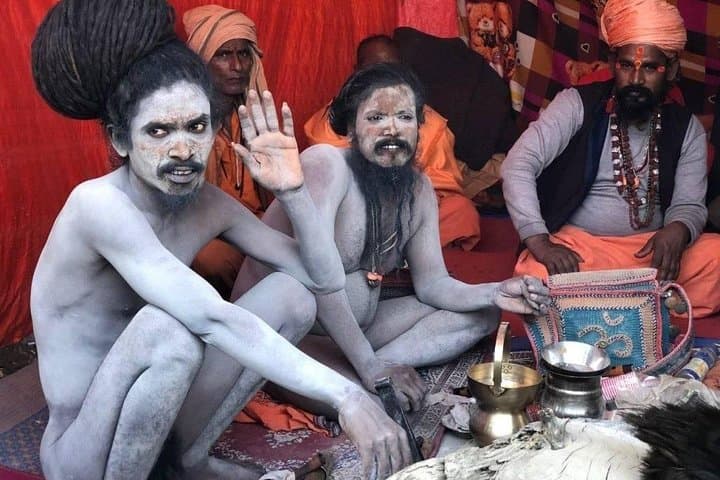
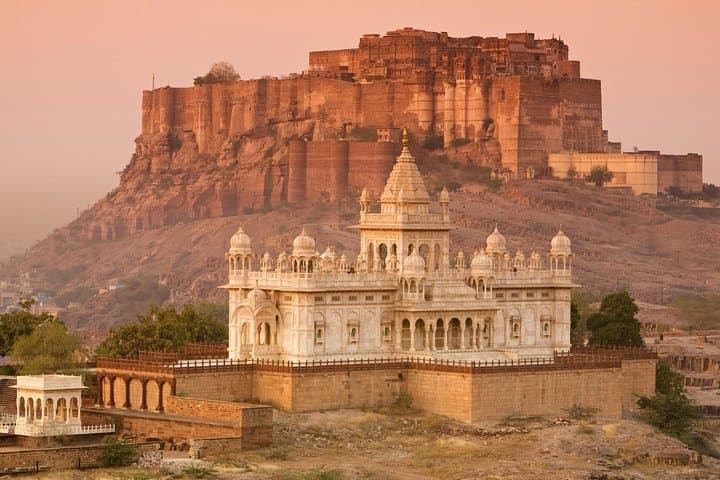
This itinerary stitches together centuries of history — Mughal mausoleums in Agra, Rajput hill forts around Jaipur and Hoysala temples near Mysore — and the geology that shaped them: the Aravalli ridges to the west, the fertile Indo-Gangetic plains, and the laterite coasts of the southwest. Cultural rhythms change as you travel: Varanasi’s ghats host nightly aarti, while Kerala’s villages practice spice farming and houseboat life.
Expect long travel days (multiple 8–19 hour overnight trains across 300–800 km stretches), short guided walks, and a few low-tech nights — a desert camp with long-drop toilets, a homestay on a backwater island, basic hotels in smaller towns. Guides handle most logistics but come prepared: carry a small overnight bag for train transfers, bring cash for local purchases and be ready for crowded markets and flexible schedules.
Practical notes: pack sun protection and a compact water bottle filter, schedule downtime in Goa to recover, and set expectations for mixed accommodation comfort. The route rewards those who embrace the slow pace: trains that rock you through the night, rivers that dare you to slow down, and landscapes that change like channel switches on an old radio.
moderate.
37 days.
Suitable for travelers in reasonable health who can manage multiple long travel days, short walks and occasional simple campsites.
The tour includes several breakfasts, some lunches and dinners as specified; expect to purchase many meals locally, especially on free days.
Most travelers require an Indian visa — apply in advance. Recommended vaccinations vary; consult a travel clinic for current advice.
Physically moderate: activities are low-intensity (walking tours, short hikes, boat rides) but the itinerary has many travel days and some basic overnight accommodations.
Main luggage is typically moved by the operator, but you should carry a small overnight bag for transfers and train journeys.
The route spans Mughal-era north India and southern kingdoms like the Vijayanagar and Hoysala empires, visible in forts, mausoleums and temple architecture.
Visitors can support local conservation by choosing responsible wildlife walks, minimizing single-use plastics, and respecting temple and ghat rituals.
Three Corners United operates guided outdoor trips and adventures with an emphasis on safety, stewardship, and memorable experiences.
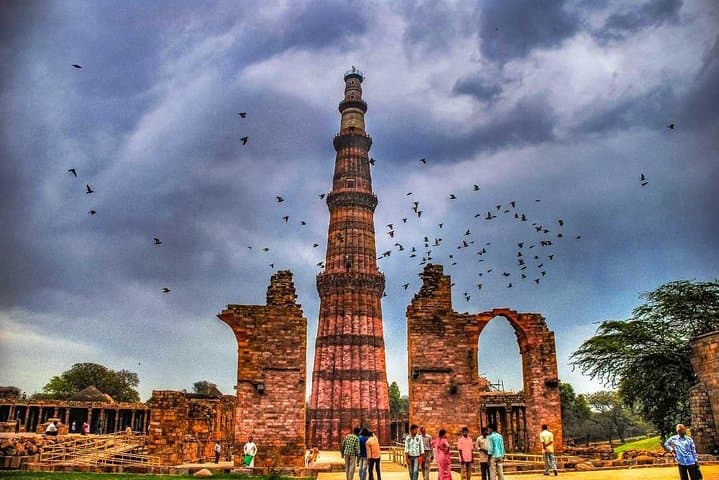
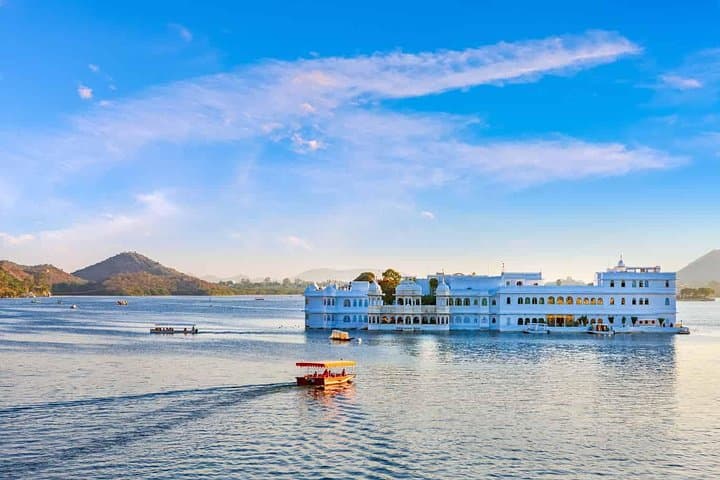
The trip opens in the thunder of New Delhi: rickshaws weaving, chai steam rising and the city’s red forts squinting in the heat. For 37 days travelers thread India’s spine by overnight trains, private buses and small boats, moving from the sandstone dunes of Jaisalmer to the coconut-lined backwaters of Kerala, and finally to Goa’s sun-soft beaches.
The trip opens in the thunder of New Delhi: rickshaws weaving, chai steam rising and the city’s red forts squinting in the heat. For 37 days travelers thread India’s spine by overnight trains, private buses and small boats, moving from the sandstone dunes of Jaisalmer to the coconut-lined backwaters of Kerala, and finally to Goa’s sun-soft beaches.
This itinerary stitches together centuries of history — Mughal mausoleums in Agra, Rajput hill forts around Jaipur and Hoysala temples near Mysore — and the geology that shaped them: the Aravalli ridges to the west, the fertile Indo-Gangetic plains, and the laterite coasts of the southwest. Cultural rhythms change as you travel: Varanasi’s ghats host nightly aarti, while Kerala’s villages practice spice farming and houseboat life.
Expect long travel days (multiple 8–19 hour overnight trains across 300–800 km stretches), short guided walks, and a few low-tech nights — a desert camp with long-drop toilets, a homestay on a backwater island, basic hotels in smaller towns. Guides handle most logistics but come prepared: carry a small overnight bag for train transfers, bring cash for local purchases and be ready for crowded markets and flexible schedules.
Practical notes: pack sun protection and a compact water bottle filter, schedule downtime in Goa to recover, and set expectations for mixed accommodation comfort. The route rewards those who embrace the slow pace: trains that rock you through the night, rivers that dare you to slow down, and landscapes that change like channel switches on an old radio.