THE ADVENTURE COLLECTIVE® · Independent discovery and booking for outdoor travel

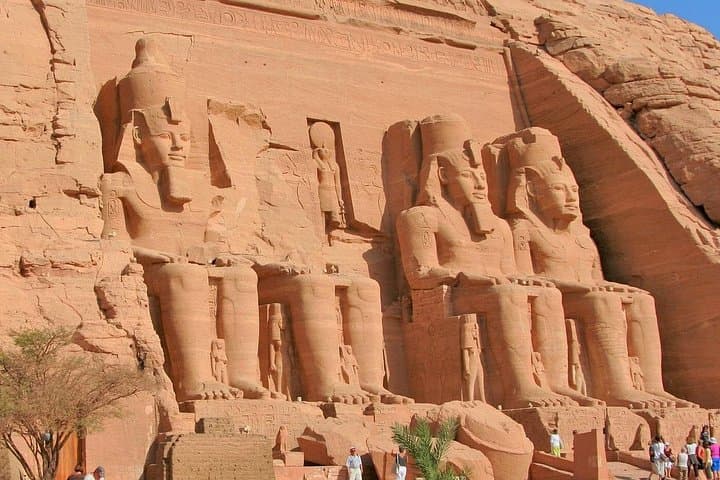
An 11-day circuit from Cairo to Abu Simbel combining the Giza pyramids, Luxor’s temples, a deluxe Nile cruise and Mediterranean Alexandria. Expect guided site visits, domestic flights and hotel nights with logistics handled for a focused historical deep-dive.
An 11-day circuit from Cairo to Abu Simbel combining the Giza pyramids, Luxor’s temples, a deluxe Nile cruise and Mediterranean Alexandria. Expect guided site visits, domestic flights and hotel nights with logistics handled for a focused historical deep-dive.
You step out of the airport into Cairo air that smells faintly of spices and petrol; behind you the modern city hums, ahead the desert flattens toward stone giants. From the shadow of the Great Pyramid the tour unfolds—camel tack creaking, a guide unrolling context that makes every lintel and relief begin to speak.
Verified experiences and guided adventures in the surrounding area.
Operated by Travabia Travel · Cairo, Cairo
You step out of the airport into Cairo air that smells faintly of spices and petrol; behind you the modern city hums, ahead the desert flattens toward stone giants. From the shadow of the Great Pyramid the tour unfolds—camel tack creaking, a guide unrolling context that makes every lintel and relief begin to speak.
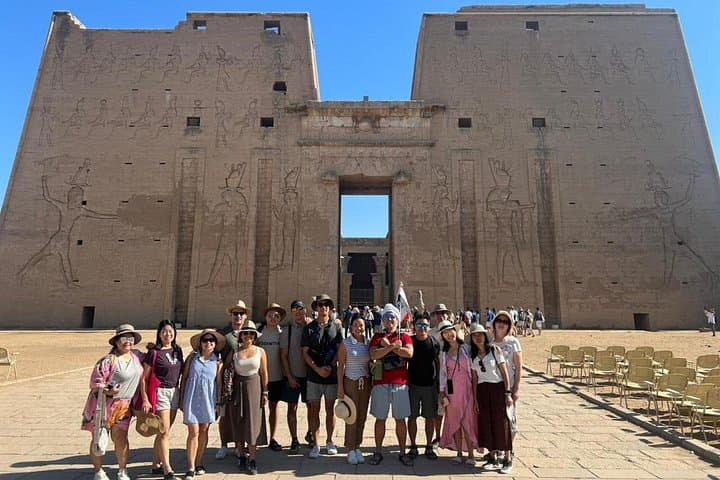
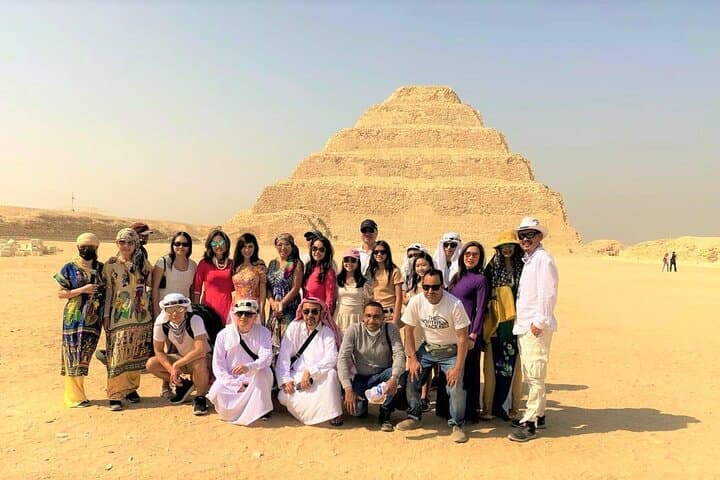
This 11-day itinerary threads through Egypt’s long human story: Old Kingdom mastabas at Saqqara, the imperial reach of the New Kingdom at Karnak and the Valley of the Kings, Greco-Roman Alexandria, and the dramatic rescue-site temples at Philae. Geology matters here—the Nile’s slow silt deposits created the narrow fertile band that sustained pharaonic civilization, while the surrounding desert preserved buildings in dry silence for millennia.
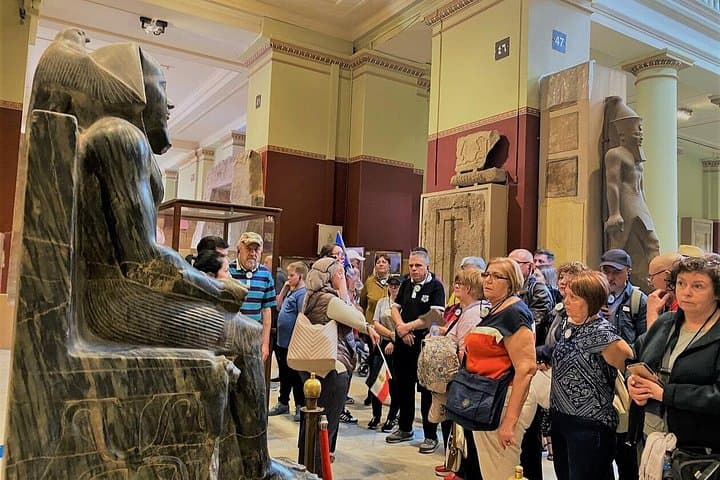
Culturally, expect layered influences: Coptic churches and Islamic citadels in Cairo, Mediterranean echoes in Alexandria, and Nubian culture near Aswan. Local guides provide archaeological context and practical navigation of markets, tipping conventions, and modest dress expectations.
Practical guidance: plan early morning temple visits to avoid heat and crowds, carry 2–3 liters of water, sun protection, and comfortable shoes for uneven stone steps. Domestic flights and a four-night deluxe Nile cruise handle long distances; still, be prepared for transfers and moderate walking across sites with stairs and sand. If you value history-rich travel with predictable logistics—hotels, private guides, and included meals—this route delivers concentrated access to Egypt’s headline monuments with enough structure to keep the focus on exploration rather than logistics.
moderate.
11 days.
Good walking stamina for uneven surfaces, stairs, and some stretches of standing; suitable for most active travelers.
Yes — domestic flights between Cairo and Luxor and return from Aswan to Cairo are included as specified in the tour details.
The itinerary lists a deluxe Nile cruise; final cabin assignment depends on booking class but accommodations are full-board on the stated ship.
Most international travelers require a visa for Egypt; check current entry rules for your nationality and arrange either an e-visa or airport visa where applicable.
Expect moderate walking with stairs, uneven stone, and some short hikes across desert surfaces; most sites have nearby vehicle drop-off points to limit long approaches.
This route traces major phases of Egyptian civilization from Old Kingdom mastabas and the Step Pyramid to New Kingdom mortuary temples and Ptolemaic-era sites.
UNESCO and Egyptian authorities actively manage several sites (Philae relocation, temple conservation); travelers should stick to marked paths, avoid removing artefacts, and minimize single-use plastics.
Travabia Travel operates guided outdoor trips and adventures with an emphasis on safety, stewardship, and memorable experiences.
You step out of the airport into Cairo air that smells faintly of spices and petrol; behind you the modern city hums, ahead the desert flattens toward stone giants. From the shadow of the Great Pyramid the tour unfolds—camel tack creaking, a guide unrolling context that makes every lintel and relief begin to speak.
You step out of the airport into Cairo air that smells faintly of spices and petrol; behind you the modern city hums, ahead the desert flattens toward stone giants. From the shadow of the Great Pyramid the tour unfolds—camel tack creaking, a guide unrolling context that makes every lintel and relief begin to speak.
This 11-day itinerary threads through Egypt’s long human story: Old Kingdom mastabas at Saqqara, the imperial reach of the New Kingdom at Karnak and the Valley of the Kings, Greco-Roman Alexandria, and the dramatic rescue-site temples at Philae. Geology matters here—the Nile’s slow silt deposits created the narrow fertile band that sustained pharaonic civilization, while the surrounding desert preserved buildings in dry silence for millennia.
Culturally, expect layered influences: Coptic churches and Islamic citadels in Cairo, Mediterranean echoes in Alexandria, and Nubian culture near Aswan. Local guides provide archaeological context and practical navigation of markets, tipping conventions, and modest dress expectations.
Practical guidance: plan early morning temple visits to avoid heat and crowds, carry 2–3 liters of water, sun protection, and comfortable shoes for uneven stone steps. Domestic flights and a four-night deluxe Nile cruise handle long distances; still, be prepared for transfers and moderate walking across sites with stairs and sand. If you value history-rich travel with predictable logistics—hotels, private guides, and included meals—this route delivers concentrated access to Egypt’s headline monuments with enough structure to keep the focus on exploration rather than logistics.