THE ADVENTURE COLLECTIVE® · Independent discovery and booking for outdoor travel

Drive Iceland’s dramatic south coast on a private full-day tour that visits Seljalandsfoss, Skógafoss, Sólheimajökull and the black-sand beach. Expect short walks, powerful waterfalls, glacier viewpoints and ever-changing weather.
Drive Iceland’s dramatic south coast on a private full-day tour that visits Seljalandsfoss, Skógafoss, Sólheimajökull and the black-sand beach. Expect short walks, powerful waterfalls, glacier viewpoints and ever-changing weather.
The day opens with low clouds lifting off the Atlantic and the van carving a white line down Route 1 — Iceland’s south coast unfurls like a landscape in motion. You first step out at Seljalandsfoss, where water curls over a 60 m drop and the path behind the curtain dares you to walk through its spray. Later, Skógafoss roars; the stairs alongside it push you upward to wind-scoured views of black sand and distant glaciers.
Verified experiences and guided adventures in the surrounding area.
Operated by Lilja Tours ehf. · Reykjavík, Capital Region
The day opens with low clouds lifting off the Atlantic and the van carving a white line down Route 1 — Iceland’s south coast unfurls like a landscape in motion. You first step out at Seljalandsfoss, where water curls over a 60 m drop and the path behind the curtain dares you to walk through its spray. Later, Skógafoss roars; the stairs alongside it push you upward to wind-scoured views of black sand and distant glaciers.
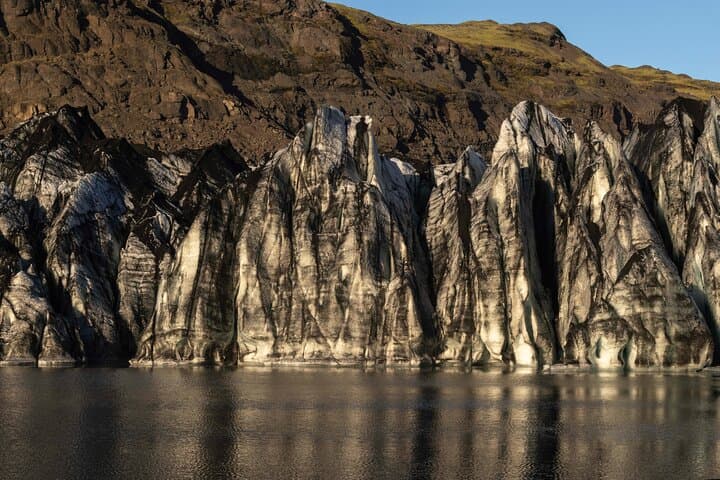
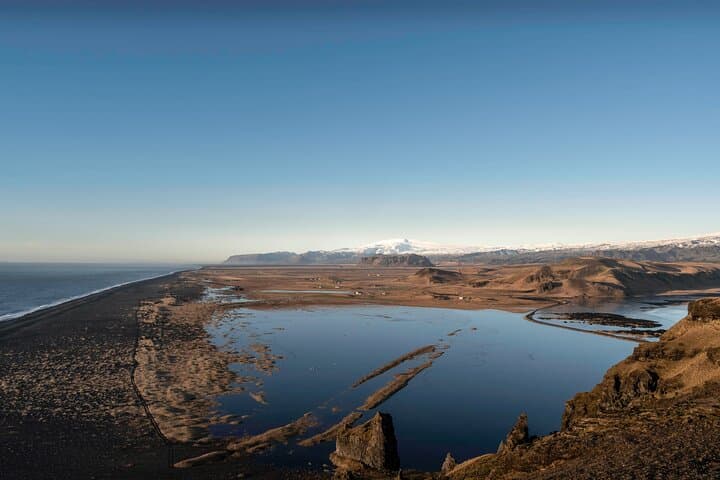
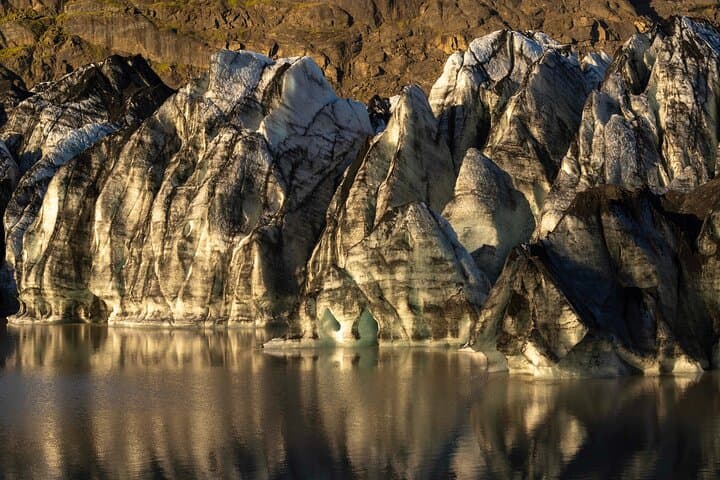
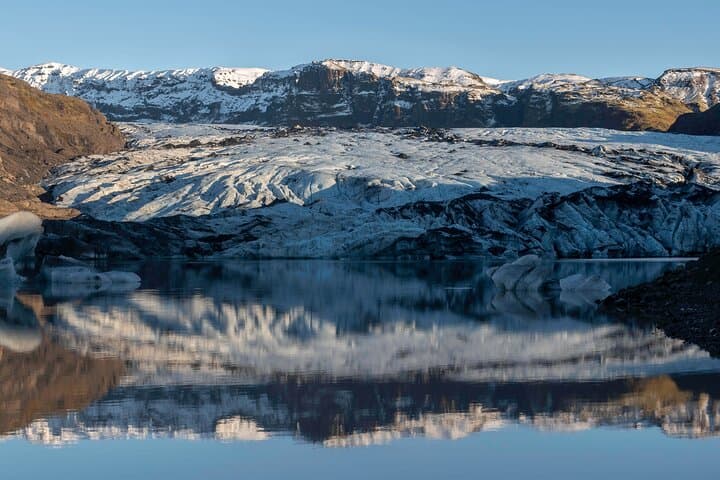
This coastline is a collision of fire and ice: volcanic peaks such as Eyjafjallajökull (which disrupted European air traffic in 2010) loom beneath ice caps, and offshore basalt columns and sea stacks record old lava cooling in the surf. Sólheimajökull, an outlet glacier streaked with ash, gives a visual lesson in glacial erosion and volcanic ash layering.
Culture here is sparse but direct — farms, little coastal chapels, and the resilient Icelandic horse scattered in fields that once resisted lava flows. Locals will tell you to respect paths: fragile moss and black sand dunes take centuries to recover.
Practical guidance: this is a long day (roughly 10–12 hours) with mostly short, easy walks and some stair climbs; waterproof layers and sturdy shoes matter more than technical gear. Expect lots of photo stops; bring a dry bag for electronics and allow flexibility — weather and road conditions can change the order of stops. Book with daylight in mind: summer gives long evenings, winter demands early starts and patience for closures.
easy.
10–12 hours.
Suitable for most fitness levels; requires short walks (10–30 minutes) and stair climbs at viewpoints.
The private tour runs about 10–12 hours and includes several hours of driving along Route 1 between stops; expect most of the day reserved for travel and multiple short walks.
The path behind Seljalandsfoss is often closed in winter for safety when icy; you can still view the falls from the front year-round but check conditions before booking.
This tour visits a viewpoint of Sólheimajökull with an easy 10–15 minute walk; guided glacier hikes require separate equipment and a specialist guide not included here.
Puffins nest on coastal cliffs nearby in summer (late spring–early autumn), but sightings depend on time of year and specific cliff access, which may not be part of this itinerary.
Eyjafjallajökull’s 2010 eruption is the most recent reminder of how frequently volcanic activity reshapes the south coast’s landscape and transport links.
Stick to established paths and viewing platforms — fragile moss and black sand dunes recover very slowly; glaciers are retreating due to climate change and should be observed responsibly.
Lilja Tours ehf. operates guided outdoor trips and adventures with an emphasis on safety, stewardship, and memorable experiences.
The day opens with low clouds lifting off the Atlantic and the van carving a white line down Route 1 — Iceland’s south coast unfurls like a landscape in motion. You first step out at Seljalandsfoss, where water curls over a 60 m drop and the path behind the curtain dares you to walk through its spray. Later, Skógafoss roars; the stairs alongside it push you upward to wind-scoured views of black sand and distant glaciers.
The day opens with low clouds lifting off the Atlantic and the van carving a white line down Route 1 — Iceland’s south coast unfurls like a landscape in motion. You first step out at Seljalandsfoss, where water curls over a 60 m drop and the path behind the curtain dares you to walk through its spray. Later, Skógafoss roars; the stairs alongside it push you upward to wind-scoured views of black sand and distant glaciers.
This coastline is a collision of fire and ice: volcanic peaks such as Eyjafjallajökull (which disrupted European air traffic in 2010) loom beneath ice caps, and offshore basalt columns and sea stacks record old lava cooling in the surf. Sólheimajökull, an outlet glacier streaked with ash, gives a visual lesson in glacial erosion and volcanic ash layering.
Culture here is sparse but direct — farms, little coastal chapels, and the resilient Icelandic horse scattered in fields that once resisted lava flows. Locals will tell you to respect paths: fragile moss and black sand dunes take centuries to recover.
Practical guidance: this is a long day (roughly 10–12 hours) with mostly short, easy walks and some stair climbs; waterproof layers and sturdy shoes matter more than technical gear. Expect lots of photo stops; bring a dry bag for electronics and allow flexibility — weather and road conditions can change the order of stops. Book with daylight in mind: summer gives long evenings, winter demands early starts and patience for closures.