THE ADVENTURE COLLECTIVE® · Independent discovery and booking for outdoor travel

Spend a long day tracing Iceland’s southern edge by minibus: thundering falls, basalt beaches and an outlet glacier combine into a compact, accessible introduction to fire-and-ice country. Expect 9–10 hours on the road with short walks at each stop.
Spend a long day tracing Iceland’s southern edge by minibus: thundering falls, basalt beaches and an outlet glacier combine into a compact, accessible introduction to fire-and-ice country. Expect 9–10 hours on the road with short walks at each stop.
The minibus eases out of Reykjavík before the day has fully warmed, headlights fading into low coastal cloud as the highway unspools toward ice and lava.
Verified experiences and guided adventures in the surrounding area.
Operated by Iceland Everywhere Tours · Reykjavík, Capital Region
The minibus eases out of Reykjavík before the day has fully warmed, headlights fading into low coastal cloud as the highway unspools toward ice and lava.
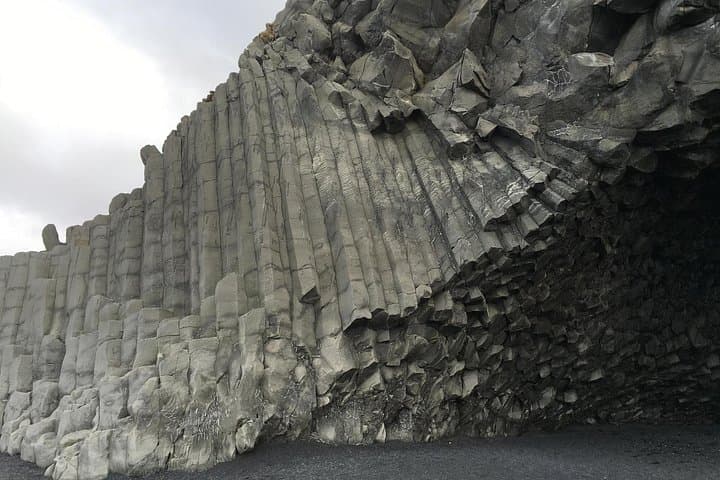
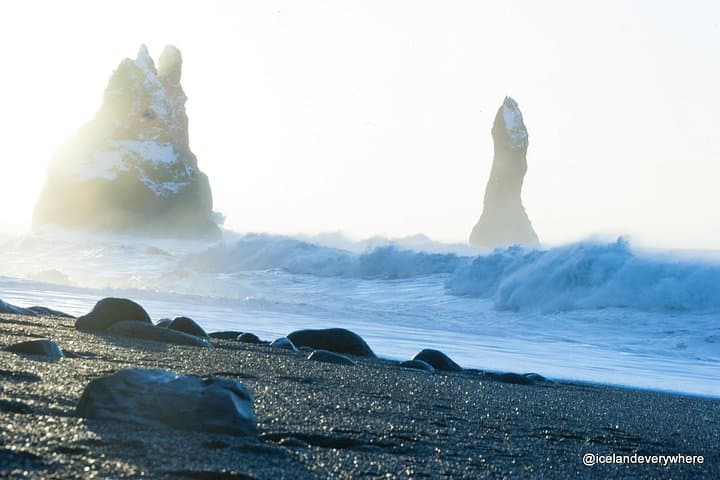
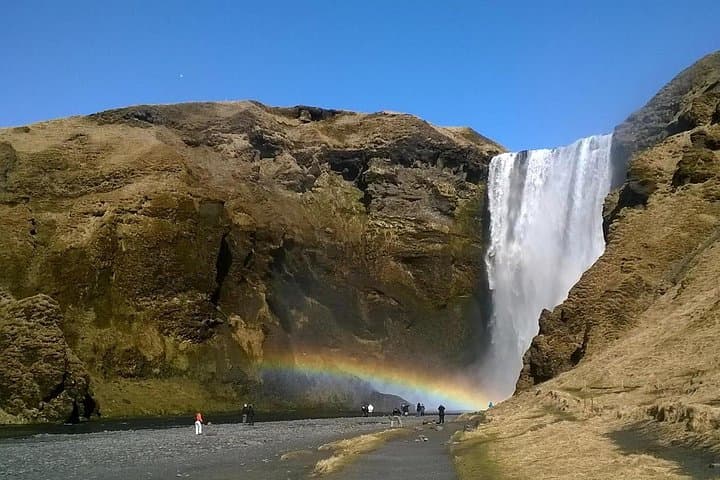
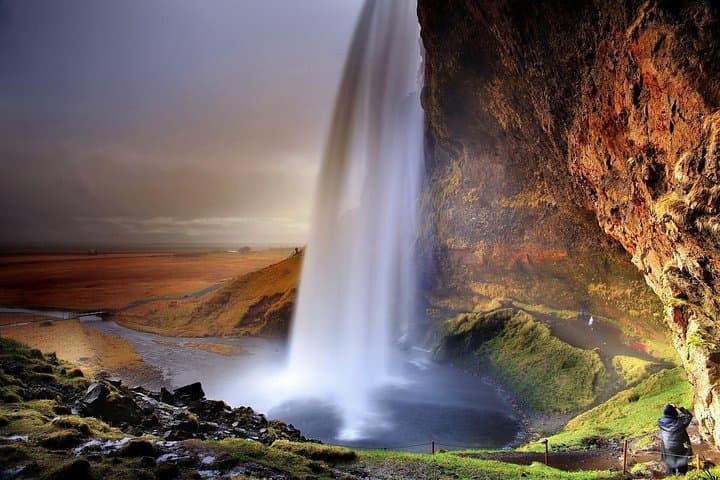
By mid-morning the first waterfalls announce themselves: Skógafoss drops in a sheet so broad the spray dares you to get closer, while a little farther west Seljalandsfoss lets you step behind a curtain of water and feel the cliff breathe. Reynisfjara’s black sand and basalt columns are raw geology under open sky; waves push and yank at the shoreline, and the basalt stacks stand like toppled pillars from another age. The tour also pauses at a Sólheimajökull outlet glacier — a blue-tinged tongue of river ice, crevassed and quick to reshape under spring sun.
This corridor along Iceland’s south coast is where volcanic eruptions meet Atlantic weather; Eyjafjallajökull’s 2010 plume remains an immediate memory in local stories and maps. The black sands are ground lava, the cliffs cut by ancient glaciers; fishing hamlets and hardy turf homes speak to a culture that reads weather like a calendar.
Practical guidance: it’s a 9–10 hour shared minibus circuit with air-conditioning, free Wi‑Fi, and hotel pick-ups starting 30–60 minutes earlier than listed departure. Walking at attractions is short but on uneven, often wet terrain — waterproof layers and sturdy shoes matter more than speed. Expect strong coastal winds and limited shelter at viewpoints; plan snacks and camera batteries accordingly. Be mindful of nesting birds and fragile moss: stay on paths, follow your guide, and you’ll leave with clear photos and a sharper sense of how fire, water and ice shape this coastline.
easy.
9–10 hours.
Suitable for most fitness levels; expect short walks on uneven, wet terrain and some steps at viewpoints.
The tour runs about 9–10 hours; exact pick-up and drop-off times are confirmed by email one week before departure and pickups begin 30–60 minutes earlier.
There are brief stops with basic facilities and cafés near major attractions; bringing snacks is recommended for longer stretches between towns.
Yes—Seljalandsfoss is on the itinerary and you can walk behind it, but paths may be slippery and access can be limited in poor weather.
You can cancel for a full refund up to 24 hours before departure; the operator may cancel in severe weather and offer alternatives or refunds.
The Eyjafjallajökull eruption of 2010 is a recent landmark here—ash clouds disrupted European aviation and reshaped local landscapes; the coast also preserves older settlement history tied to fishing and sagas.
South coast ecosystems are fragile—avoid stepping on moss, respect nesting bird closures, and follow guides to minimize erosion and disturbance.
Iceland Everywhere Tours operates guided outdoor trips and adventures with an emphasis on safety, stewardship, and memorable experiences.
The minibus eases out of Reykjavík before the day has fully warmed, headlights fading into low coastal cloud as the highway unspools toward ice and lava.
The minibus eases out of Reykjavík before the day has fully warmed, headlights fading into low coastal cloud as the highway unspools toward ice and lava.
By mid-morning the first waterfalls announce themselves: Skógafoss drops in a sheet so broad the spray dares you to get closer, while a little farther west Seljalandsfoss lets you step behind a curtain of water and feel the cliff breathe. Reynisfjara’s black sand and basalt columns are raw geology under open sky; waves push and yank at the shoreline, and the basalt stacks stand like toppled pillars from another age. The tour also pauses at a Sólheimajökull outlet glacier — a blue-tinged tongue of river ice, crevassed and quick to reshape under spring sun.
This corridor along Iceland’s south coast is where volcanic eruptions meet Atlantic weather; Eyjafjallajökull’s 2010 plume remains an immediate memory in local stories and maps. The black sands are ground lava, the cliffs cut by ancient glaciers; fishing hamlets and hardy turf homes speak to a culture that reads weather like a calendar.
Practical guidance: it’s a 9–10 hour shared minibus circuit with air-conditioning, free Wi‑Fi, and hotel pick-ups starting 30–60 minutes earlier than listed departure. Walking at attractions is short but on uneven, often wet terrain — waterproof layers and sturdy shoes matter more than speed. Expect strong coastal winds and limited shelter at viewpoints; plan snacks and camera batteries accordingly. Be mindful of nesting birds and fragile moss: stay on paths, follow your guide, and you’ll leave with clear photos and a sharper sense of how fire, water and ice shape this coastline.