THE ADVENTURE COLLECTIVE® · Independent discovery and booking for outdoor travel

Experience Vatnajökull’s blue ice caves, hike an outlet glacier, and walk the shores of Jökulsárlón over two days on Iceland’s South Coast. This guided trip pairs classic waterfalls and black sand beaches with a curated glacier adventure and a chance to see the northern lights.
Experience Vatnajökull’s blue ice caves, hike an outlet glacier, and walk the shores of Jökulsárlón over two days on Iceland’s South Coast. This guided trip pairs classic waterfalls and black sand beaches with a curated glacier adventure and a chance to see the northern lights.
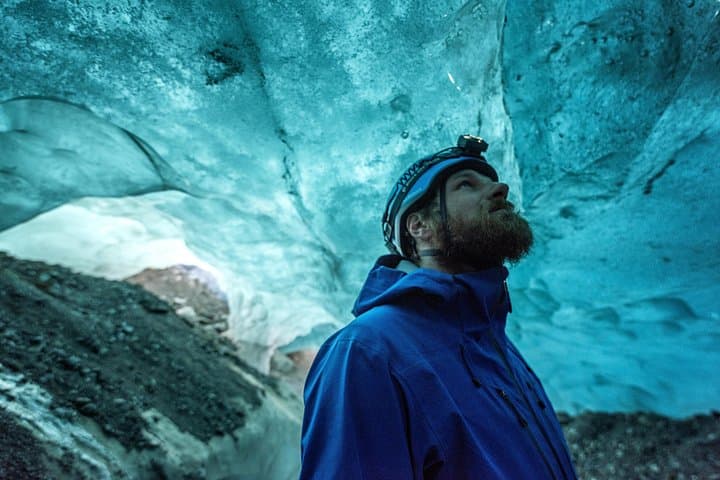
A wind off the North Atlantic pushes across black sand and glassy ice as the tour bus eases south from Reykjavík. Snow-slick cliffs and the hiss of distant waterfalls frame the road; by afternoon the glacier appears like a slow-moving city of blue, and the cave’s ice gleams with an otherworldly clarity that asks you to step closer.
Verified experiences and guided adventures in the surrounding area.
Operated by Troll Expeditions · Höfn, Southern Region
A wind off the North Atlantic pushes across black sand and glassy ice as the tour bus eases south from Reykjavík. Snow-slick cliffs and the hiss of distant waterfalls frame the road; by afternoon the glacier appears like a slow-moving city of blue, and the cave’s ice gleams with an otherworldly clarity that asks you to step closer.
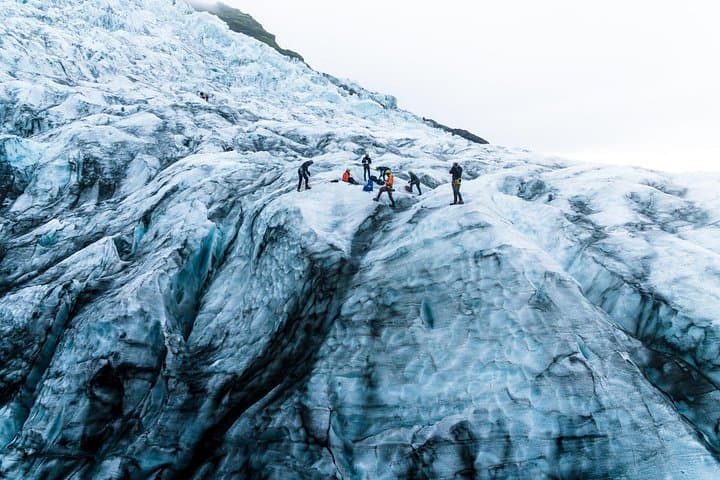
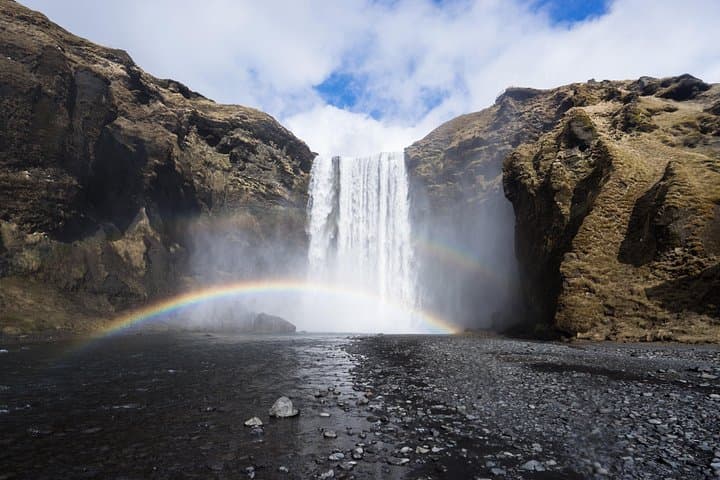
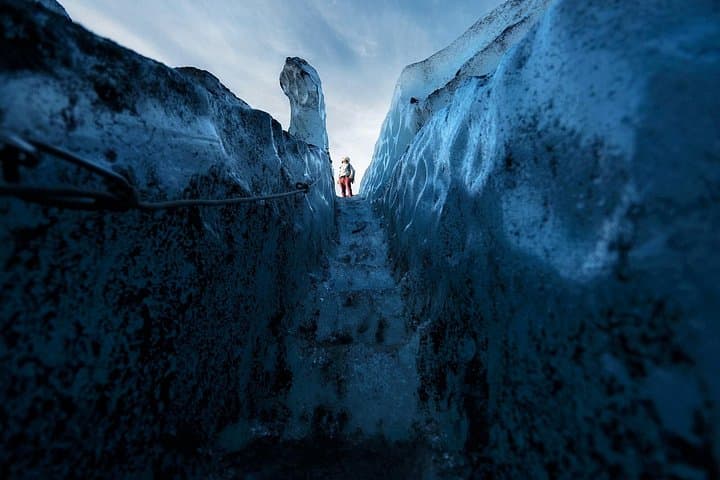
The two-day route threads classic South Coast highlights: Seljalandsfoss and Skógafoss, the basalt pillars and pounding surf at Reynisfjara, a guided hike onto a Vatnajökull outlet glacier, and a visit to Jökulsárlón—an icy lagoon where bergs calve and drift toward the sea. Vatnajökull’s ice records millennia of climate and volcanic activity; the caves you enter are temporary sculptures, shaped by meltwater, pressure and winter cold.
Local settlements are tied to fishing and small-scale farming; guides share short cultural notes about coastal life and the sagas. Wildlife is visible from shore—seals loaf on ice floes while seabirds patrol the cliffs—and nights away from city lights give the best chance to see the aurora.
Practicalities: expect two full travel days (roughly 48 hours), with one hotel night in a 2–3 star property. Guides supply helmets, crampons and harnesses for the glacier hike; wear waterproof, crampon-compatible boots and layered clothing. Weather dictates exact stops—ice caves are only accessible in stable winter conditions—so flexibility is required. Bring a charged camera, a headlamp, and a daypack with water and snacks. For safety and preservation, follow your guide’s route on the ice and avoid walking on recently calved bergs at the lagoon.
moderate.
48 hours (2 days).
Able to walk 1–3 hours at a time over uneven, icy terrain and manage short uphill sections; basic stamina required.
No—ice caves are dynamic and accessible only in stable winter conditions; the operator visits a naturally formed cave when safe but cannot guarantee the same cave each year.
No previous glacier experience is required; certified guides provide safety briefings, gear and supervision for the hike.
Waterproof, stiff-soled hiking boots that reach the ankle and accept crampons are recommended; rental boots may be available if arranged in advance.
Yes, nights away from light pollution improve chances, but aurora are a natural phenomenon and cannot be guaranteed.
Vatnajökull’s ice fields formed over thousands of years, shaped by repeated volcanic eruptions and glacial flow; the South Coast has long been a corridor for coastal fishing communities.
Stay on marked paths, avoid touching ice formations, and follow guide instructions—the delicate lagoon and glacier margins are vulnerable to visitor impact and climate-driven change.
Troll Expeditions operates guided outdoor trips and adventures with an emphasis on safety, stewardship, and memorable experiences.
A wind off the North Atlantic pushes across black sand and glassy ice as the tour bus eases south from Reykjavík. Snow-slick cliffs and the hiss of distant waterfalls frame the road; by afternoon the glacier appears like a slow-moving city of blue, and the cave’s ice gleams with an otherworldly clarity that asks you to step closer.
A wind off the North Atlantic pushes across black sand and glassy ice as the tour bus eases south from Reykjavík. Snow-slick cliffs and the hiss of distant waterfalls frame the road; by afternoon the glacier appears like a slow-moving city of blue, and the cave’s ice gleams with an otherworldly clarity that asks you to step closer.
The two-day route threads classic South Coast highlights: Seljalandsfoss and Skógafoss, the basalt pillars and pounding surf at Reynisfjara, a guided hike onto a Vatnajökull outlet glacier, and a visit to Jökulsárlón—an icy lagoon where bergs calve and drift toward the sea. Vatnajökull’s ice records millennia of climate and volcanic activity; the caves you enter are temporary sculptures, shaped by meltwater, pressure and winter cold.
Local settlements are tied to fishing and small-scale farming; guides share short cultural notes about coastal life and the sagas. Wildlife is visible from shore—seals loaf on ice floes while seabirds patrol the cliffs—and nights away from city lights give the best chance to see the aurora.
Practicalities: expect two full travel days (roughly 48 hours), with one hotel night in a 2–3 star property. Guides supply helmets, crampons and harnesses for the glacier hike; wear waterproof, crampon-compatible boots and layered clothing. Weather dictates exact stops—ice caves are only accessible in stable winter conditions—so flexibility is required. Bring a charged camera, a headlamp, and a daypack with water and snacks. For safety and preservation, follow your guide’s route on the ice and avoid walking on recently calved bergs at the lagoon.