THE ADVENTURE COLLECTIVE® · Independent discovery and booking for outdoor travel

Spend a six‑hour guided loop from Reykjavík along Iceland’s south coast to Seljalandsfoss, Reynisfjara black sand beach, a glacier edge and Skógarfoss. This tour combines geology, folklore and short walks for classic Iceland sights.
Spend a six‑hour guided loop from Reykjavík along Iceland’s south coast to Seljalandsfoss, Reynisfjara black sand beach, a glacier edge and Skógarfoss. This tour combines geology, folklore and short walks for classic Iceland sights.
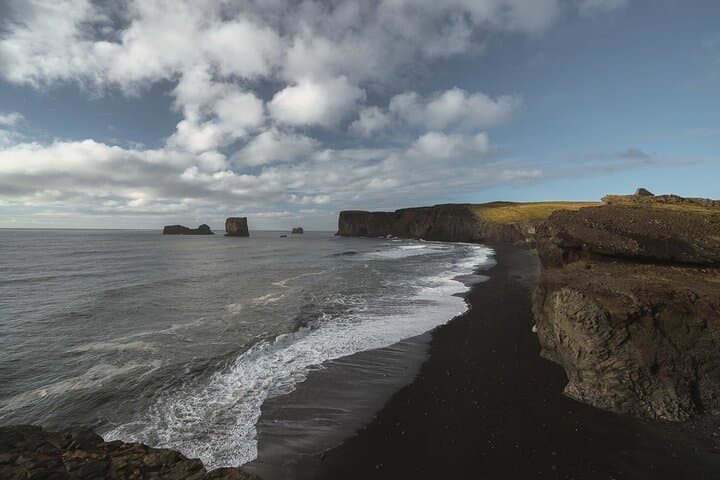
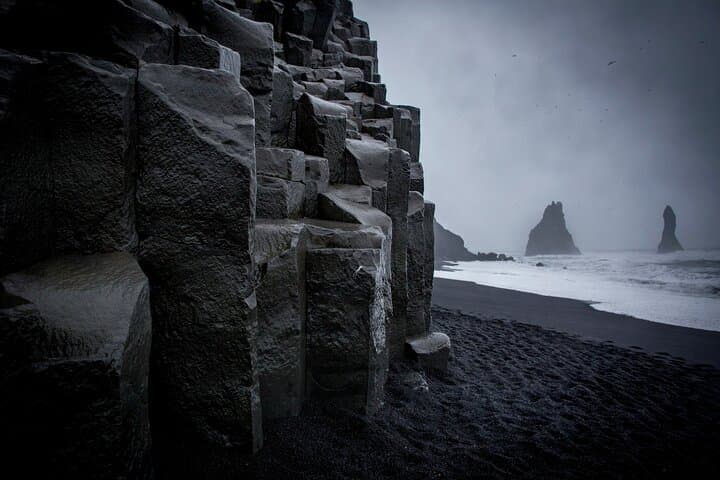
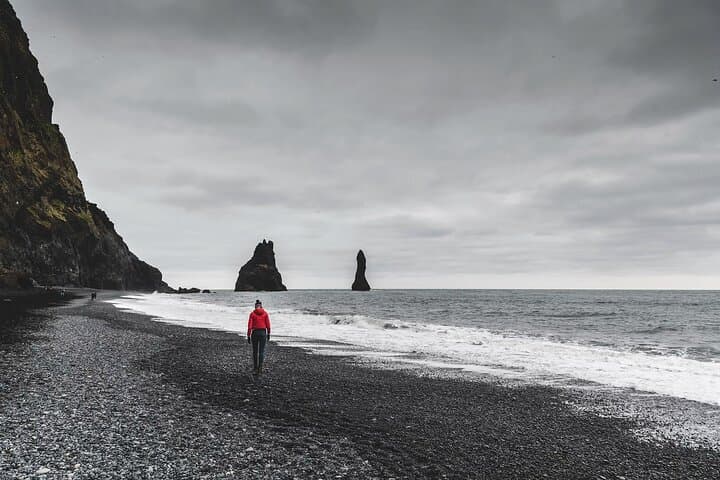
A low, brassy wind from the Atlantic carries spray and the smell of wet basalt as the Mercedes Sprinter eases onto the ring road. You step out at Seljalandsfoss and the waterfall seems to move around you — water daring you to walk the narrow path behind its curtain. Later, black sand grinds underfoot at Reynisfjara while the Reynisdrangar sea stacks loom like dark sentries off the shore. A glacier’s edge waits with a cold hush where melt and moraine meet the plain.
Verified experiences and guided adventures in the surrounding area.
Operated by Simply Iceland · Reykjavík, Southern Region
A low, brassy wind from the Atlantic carries spray and the smell of wet basalt as the Mercedes Sprinter eases onto the ring road. You step out at Seljalandsfoss and the waterfall seems to move around you — water daring you to walk the narrow path behind its curtain. Later, black sand grinds underfoot at Reynisfjara while the Reynisdrangar sea stacks loom like dark sentries off the shore. A glacier’s edge waits with a cold hush where melt and moraine meet the plain.
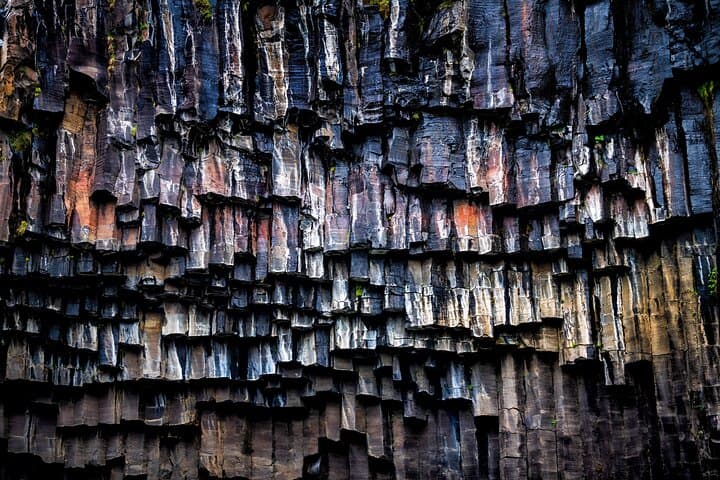
This strip of Iceland’s south coast is shaped by fire and ice: recent volcanic eruptions, ephemeral glaciers and coastal erosion have carved cliffs, formed basalt columns and dropped black sand across beaches. Small fishing villages like Vík í Mýrdal grew where farmland meets sea, and local folklore embroidered the landscape with tales of trolls and sea-stacks. The itinerary threads geology and local culture together — you’ll hear about Eyjafjallajökull’s 2010 eruption and how it reworked roads and livelihoods across the region.
Practical guidance: the tour runs about six hours with stops of 30–60 minutes at major sights. Expect short, sometimes muddy walks, steep steps at Skógarfoss and unpredictable coast conditions at Reynisfjara. Dress in windproof, waterproof layers and sturdy boots; keep a safe distance from sneaker waves and follow guides’ instructions at the glacier edge. Bring a charged camera and a small daypack for snacks and a refillable water bottle. Timing matters: light is best early or late in the day, and summer brings long daylight while winter shortens the window for outdoor stops.
easy.
6 hours.
Suitable for most fitness levels; requires short walks, some steps and standing for photo stops
Yes — there’s a maintained path behind Seljalandsfoss, but it’s wet and can be slippery; wear waterproof layers and sturdy shoes.
The beach is accessible but dangerous close to the waterline due to sneaker waves; always obey warning signs and stay well back from the surf.
The tour includes a supervised visit to a safe glacier edge where you can step onto exposed ice margins, but full glacier hikes with crampons require separate guided excursions and gear.
Most departures are from Reykjavík with the full tour lasting about six hours; check pickup point options when booking as some tours offer central pickup or designated meeting points.
The south coast shows active geological history — frequent eruptions and glacial movements have reshaped coastlines and formed the black sand beaches visitors see today.
The area’s fragile mosses and black sand plains are easily damaged; stick to paths, don’t drive off-road and follow local guidelines to reduce erosion and habitat disturbance.
Simply Iceland operates guided outdoor trips and adventures with an emphasis on safety, stewardship, and memorable experiences.
A low, brassy wind from the Atlantic carries spray and the smell of wet basalt as the Mercedes Sprinter eases onto the ring road. You step out at Seljalandsfoss and the waterfall seems to move around you — water daring you to walk the narrow path behind its curtain. Later, black sand grinds underfoot at Reynisfjara while the Reynisdrangar sea stacks loom like dark sentries off the shore. A glacier’s edge waits with a cold hush where melt and moraine meet the plain.
A low, brassy wind from the Atlantic carries spray and the smell of wet basalt as the Mercedes Sprinter eases onto the ring road. You step out at Seljalandsfoss and the waterfall seems to move around you — water daring you to walk the narrow path behind its curtain. Later, black sand grinds underfoot at Reynisfjara while the Reynisdrangar sea stacks loom like dark sentries off the shore. A glacier’s edge waits with a cold hush where melt and moraine meet the plain.
This strip of Iceland’s south coast is shaped by fire and ice: recent volcanic eruptions, ephemeral glaciers and coastal erosion have carved cliffs, formed basalt columns and dropped black sand across beaches. Small fishing villages like Vík í Mýrdal grew where farmland meets sea, and local folklore embroidered the landscape with tales of trolls and sea-stacks. The itinerary threads geology and local culture together — you’ll hear about Eyjafjallajökull’s 2010 eruption and how it reworked roads and livelihoods across the region.
Practical guidance: the tour runs about six hours with stops of 30–60 minutes at major sights. Expect short, sometimes muddy walks, steep steps at Skógarfoss and unpredictable coast conditions at Reynisfjara. Dress in windproof, waterproof layers and sturdy boots; keep a safe distance from sneaker waves and follow guides’ instructions at the glacier edge. Bring a charged camera and a small daypack for snacks and a refillable water bottle. Timing matters: light is best early or late in the day, and summer brings long daylight while winter shortens the window for outdoor stops.