THE ADVENTURE COLLECTIVE® · Independent discovery and booking for outdoor travel

A nine-day, first-class loop through Iceland’s defining landscapes—volcano calderas, glacier lagoons, thundering falls and geothermal spas. This guide outlines what to expect seasonally and how to prepare for long travel days and varied terrain.
A nine-day, first-class loop through Iceland’s defining landscapes—volcano calderas, glacier lagoons, thundering falls and geothermal spas. This guide outlines what to expect seasonally and how to prepare for long travel days and varied terrain.
You step onto Reynisfjara's black sand with Atlantic spray cutting at your face and an expanse of basalt columns rising like weathered walls. The wind speaks of volcanoes and glaciers; gulls wheel as the sea pushes itself onto shore.
Verified experiences and guided adventures in the surrounding area.
Operated by CharlieTheTraveler · Reykjavík, Capital Region
You step onto Reynisfjara's black sand with Atlantic spray cutting at your face and an expanse of basalt columns rising like weathered walls. The wind speaks of volcanoes and glaciers; gulls wheel as the sea pushes itself onto shore.
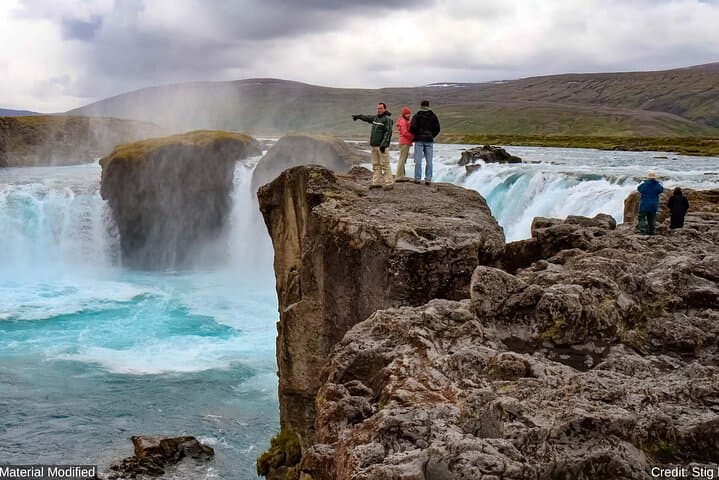
This nine-day loop stitches together Iceland's central geology and living culture: Þingvellir's rift valley where Eurasian and North American plates pull apart, Gullfoss' double drop of about 32 meters, the explosive geothermal fields of Hverir near Mývatn, and the basalt-sculpted cliffs at Reynisfjara. Lake Mývatn itself owes its shape to an eruption roughly 2,300 years ago; Askja caldera and Vatnajökull glacier reveal how fire and ice have engineered the island's routes and views.
Locals mix practical ritual with spectacle — steaming baths at the Blue Lagoon or Sky Lagoon follow long days on trails or whale decks, and Icelandic horses remain small, sure-footed partners in winter highlands. In summer the north offers whale watching from Akureyri; in winter, the aurora seeks the dark skies.
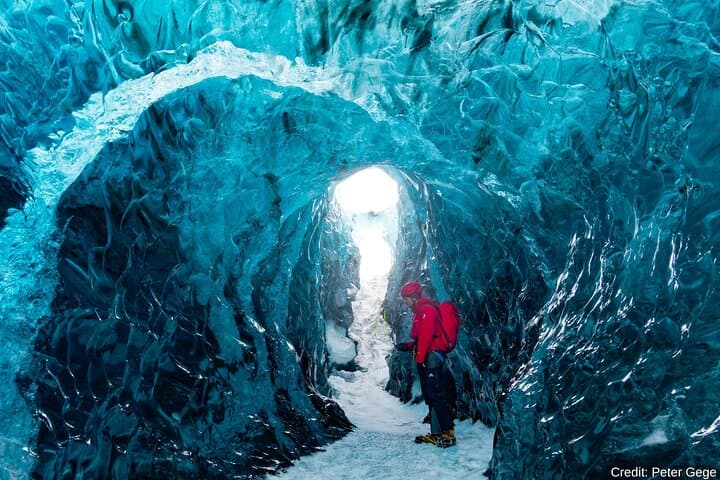
Practical guide: expect long travel days and early starts. Bring a waterproof outer layer, warm mid-layers, sturdy boots, and microspikes or crampons for glacier hikes or winter ice caves. Age and safety notes matter—some spas and activities restrict children, and ice-cave access is seasonal. Plan for variable weather, schedule buffer time between sights, and book key entry tickets (Blue Lagoon, certain glacier excursions) in advance. This itinerary rewards those ready for steady days of walking, dramatic landscapes, and geothermal reprieves.
challenging.
9 days.
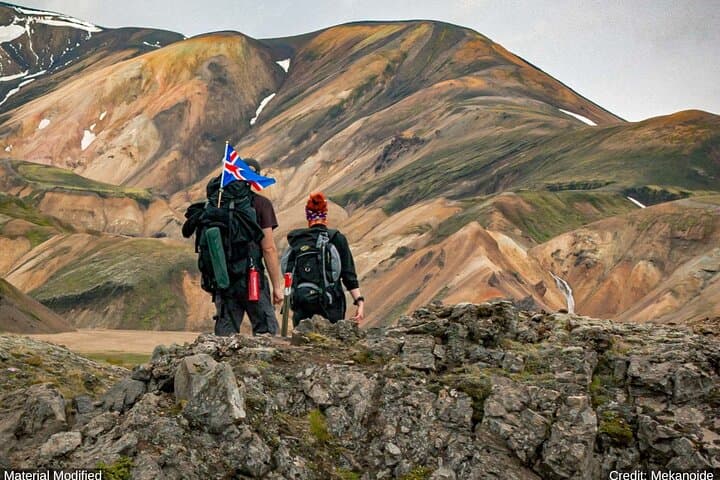
Good aerobic fitness and the ability to handle multiple consecutive days of 4–8 hour excursions; some hikes include uneven volcanic terrain and glacier walking.
Northern Lights are visible from late September to early March when nights are dark and skies clear; sightings are weather-dependent and never guaranteed.
No — natural ice caves are typically accessible in winter when the glacier is stable (roughly November–March); in summer, glacier hiking replaces cave access.
Whale watching operates primarily mid-June through September from Akureyri and other northern ports; in off-season the tour substitutes horseback riding or other activities.
Blue Lagoon and Sky Lagoon have age rules: Sky Lagoon usually restricts children under 12, and individual spa policies apply—check operator rules before booking.
Þingvellir was the site of Iceland’s parliament from 930 AD; many landscapes reflect continuous volcanic activity that shaped settlement patterns.
Tourism here stresses fragile soils and geothermal features—stay on marked paths, pack out waste, and book certified guides for glacier and cave access to minimize impact.
CharlieTheTraveler operates guided outdoor trips and adventures with an emphasis on safety, stewardship, and memorable experiences.

You step onto Reynisfjara's black sand with Atlantic spray cutting at your face and an expanse of basalt columns rising like weathered walls. The wind speaks of volcanoes and glaciers; gulls wheel as the sea pushes itself onto shore.
You step onto Reynisfjara's black sand with Atlantic spray cutting at your face and an expanse of basalt columns rising like weathered walls. The wind speaks of volcanoes and glaciers; gulls wheel as the sea pushes itself onto shore.
This nine-day loop stitches together Iceland's central geology and living culture: Þingvellir's rift valley where Eurasian and North American plates pull apart, Gullfoss' double drop of about 32 meters, the explosive geothermal fields of Hverir near Mývatn, and the basalt-sculpted cliffs at Reynisfjara. Lake Mývatn itself owes its shape to an eruption roughly 2,300 years ago; Askja caldera and Vatnajökull glacier reveal how fire and ice have engineered the island's routes and views.
Locals mix practical ritual with spectacle — steaming baths at the Blue Lagoon or Sky Lagoon follow long days on trails or whale decks, and Icelandic horses remain small, sure-footed partners in winter highlands. In summer the north offers whale watching from Akureyri; in winter, the aurora seeks the dark skies.
Practical guide: expect long travel days and early starts. Bring a waterproof outer layer, warm mid-layers, sturdy boots, and microspikes or crampons for glacier hikes or winter ice caves. Age and safety notes matter—some spas and activities restrict children, and ice-cave access is seasonal. Plan for variable weather, schedule buffer time between sights, and book key entry tickets (Blue Lagoon, certain glacier excursions) in advance. This itinerary rewards those ready for steady days of walking, dramatic landscapes, and geothermal reprieves.