THE ADVENTURE COLLECTIVE® · Independent discovery and booking for outdoor travel

Cover Iceland’s dramatic south coast in 48 hours with guided glacier hiking, black-sand beaches, glacial lagoons and a shot at the Northern Lights. Expect long drives, short intense walks, and landscapes shaped by volcanic and glacial forces.
Cover Iceland’s dramatic south coast in 48 hours with guided glacier hiking, black-sand beaches, glacial lagoons and a shot at the Northern Lights. Expect long drives, short intense walks, and landscapes shaped by volcanic and glacial forces.
You arrive under a low, grey sky and find the coastline alive with motion: waterfalls punching through cliffs, basalt columns standing like fractured teeth, and a glacier breathing cold into the valley. On a two-day sweep of Iceland’s south, the land feels active—volcanic bedrock folded into cliffs, rivers daring you to cross, and ice that creaks and reforms with every warming.
Verified experiences and guided adventures in the surrounding area.
Operated by Otto The Viking · Reykjavík, Capital Region
You arrive under a low, grey sky and find the coastline alive with motion: waterfalls punching through cliffs, basalt columns standing like fractured teeth, and a glacier breathing cold into the valley. On a two-day sweep of Iceland’s south, the land feels active—volcanic bedrock folded into cliffs, rivers daring you to cross, and ice that creaks and reforms with every warming.
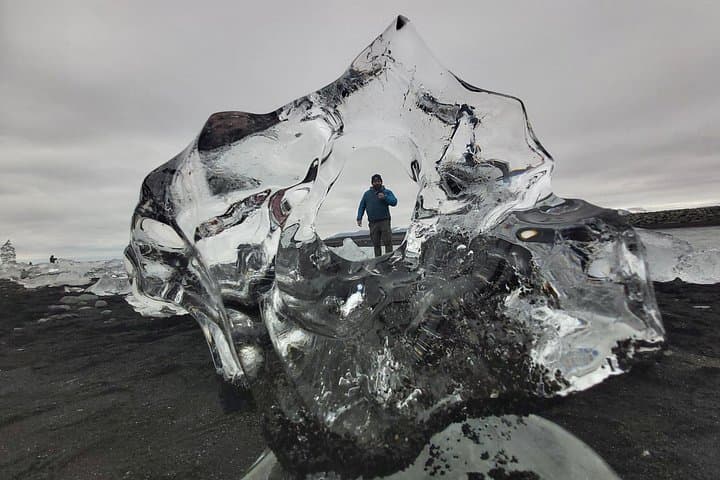
The route threads through sites shaped by millennia of fire and ice. Waterfalls like Seljalandsfoss and Skógafoss trace fractures in ancient lava flows; Reynisfjara’s basalt columns reveal cooled volcanic lava forming rhythmic pillars. Jökulsárlón and Diamond Beach are leftovers of Vatnajökull’s slow retreat, where bergs calve and float into a salt-laced lagoon. Culturally, the coast has long been a seam between farming communities and the sea, with Norse sagas pointing to early settlement and respect—and caution—around these changing shores.
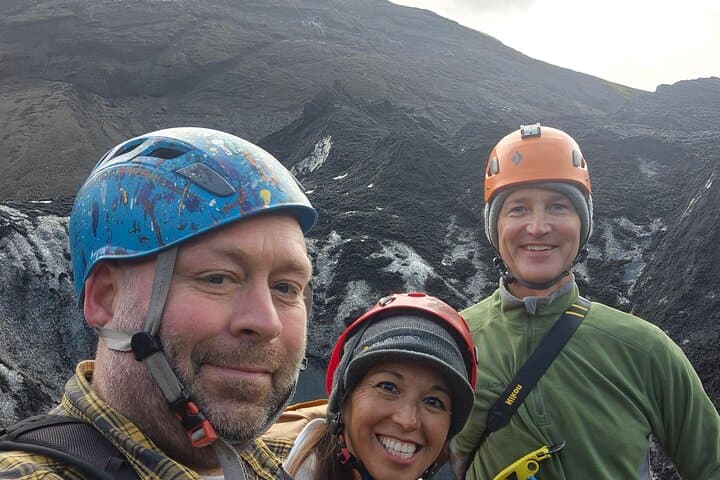
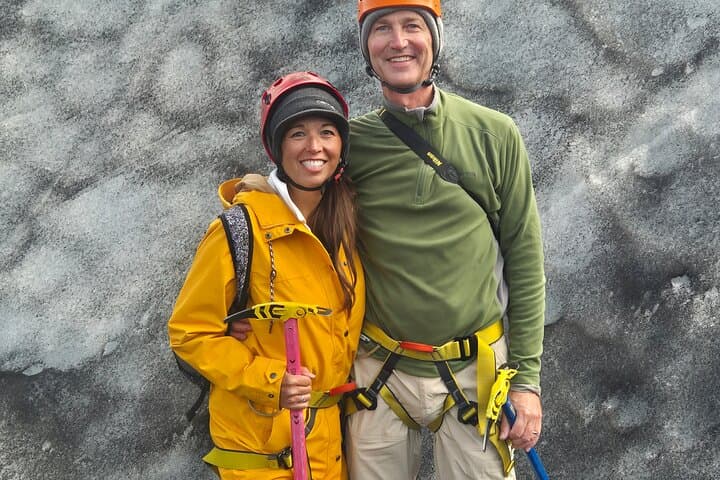
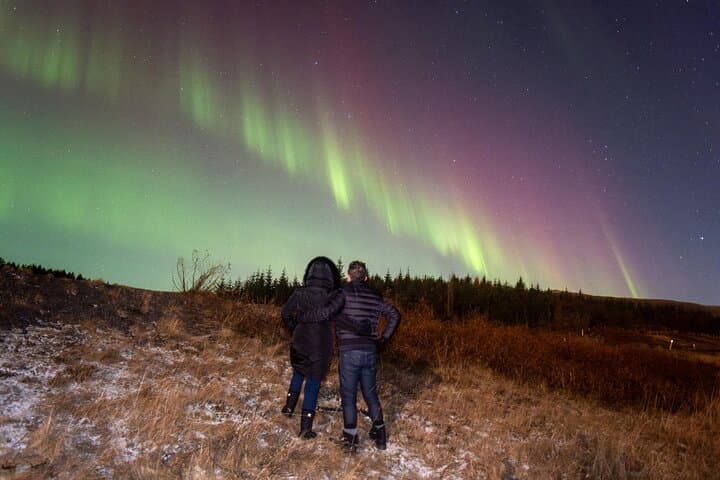
Practically, expect long drives broken by concentrated walks: short hikes to waterfall viewpoints, a guided 2–3 hour glacier walk on Sólheimajökull with crampons and ice tools, and quick stops at iconic black-sand beaches. Winter nights offer the chance of aurora displays; guides time the route around solar activity and cloud cover. Bring layered waterproof clothing, sturdy boots, and a camera with spare batteries; cold saps power fast. Road and weather conditions dictate the day—flexibility and tolerance for abrupt plan changes are part of the trip. For safety, always follow your guide on the glacier and keep a respectful distance from sneaker waves at Reynisfjara. With preparation, this itinerary compresses Iceland’s elemental forces into a compact, memorable two-day adventure.
moderate.
2 days (approx. 48 hours).
Moderate fitness required—able to walk up to 3 hours with elevation changes and handle short sections on ice.
No—glacier hikes are guided and equipment (crampons, helmets, ice tools) is provided; you should be comfortable walking on uneven, icy surfaces.
Aurora chances are highest from late September through March when nights are longest and skies clear; winter months offer the most consistent viewing windows.
They are safe if you keep distance from the surf and follow signage—never turn your back to the ocean because sneaker waves can appear without warning.
Tours may be canceled or rescheduled for severe weather; check local road conditions and the operator’s 24-hour cancellation window for full refund details.
The south coast has been shaped by volcanic eruptions and glacier advances; settlements date to the Viking Age and many place names reference sagas and early farming life.
Glacial retreat and increased visitor numbers are stressing fragile landscapes; stick to marked paths, avoid trampling moss, and follow guide instructions to minimize impact.
Otto The Viking operates guided outdoor trips and adventures with an emphasis on safety, stewardship, and memorable experiences.
You arrive under a low, grey sky and find the coastline alive with motion: waterfalls punching through cliffs, basalt columns standing like fractured teeth, and a glacier breathing cold into the valley. On a two-day sweep of Iceland’s south, the land feels active—volcanic bedrock folded into cliffs, rivers daring you to cross, and ice that creaks and reforms with every warming.
You arrive under a low, grey sky and find the coastline alive with motion: waterfalls punching through cliffs, basalt columns standing like fractured teeth, and a glacier breathing cold into the valley. On a two-day sweep of Iceland’s south, the land feels active—volcanic bedrock folded into cliffs, rivers daring you to cross, and ice that creaks and reforms with every warming.
The route threads through sites shaped by millennia of fire and ice. Waterfalls like Seljalandsfoss and Skógafoss trace fractures in ancient lava flows; Reynisfjara’s basalt columns reveal cooled volcanic lava forming rhythmic pillars. Jökulsárlón and Diamond Beach are leftovers of Vatnajökull’s slow retreat, where bergs calve and float into a salt-laced lagoon. Culturally, the coast has long been a seam between farming communities and the sea, with Norse sagas pointing to early settlement and respect—and caution—around these changing shores.
Practically, expect long drives broken by concentrated walks: short hikes to waterfall viewpoints, a guided 2–3 hour glacier walk on Sólheimajökull with crampons and ice tools, and quick stops at iconic black-sand beaches. Winter nights offer the chance of aurora displays; guides time the route around solar activity and cloud cover. Bring layered waterproof clothing, sturdy boots, and a camera with spare batteries; cold saps power fast. Road and weather conditions dictate the day—flexibility and tolerance for abrupt plan changes are part of the trip. For safety, always follow your guide on the glacier and keep a respectful distance from sneaker waves at Reynisfjara. With preparation, this itinerary compresses Iceland’s elemental forces into a compact, memorable two-day adventure.