THE ADVENTURE COLLECTIVE® · Independent discovery and booking for outdoor travel

Drive the Icefields Parkway in winter to see frozen lakes, icefalls and remote high-country cabins. This full-day private tour blends geology, pioneer history and quiet winter vistas—with practical tips for staying warm and safe.
Drive the Icefields Parkway in winter to see frozen lakes, icefalls and remote high-country cabins. This full-day private tour blends geology, pioneer history and quiet winter vistas—with practical tips for staying warm and safe.
A low winter sun slices across the Icefields Parkway as the van climbs past wind-scoured moraines and frozen creek mouths. Snow compacts under tires; peaks throw long, cold shadows. The day moves like a film reel of pale lakes, icefalls and shuttered cabins—Crowfoot Glacier hunkers above the road, Bow Lake a white plain, Peyto a sculpted bowl of ice and snow.
Verified experiences and guided adventures in the surrounding area.
Operated by Banff Culture Discovery Tours · Banff, Alberta
A low winter sun slices across the Icefields Parkway as the van climbs past wind-scoured moraines and frozen creek mouths. Snow compacts under tires; peaks throw long, cold shadows. The day moves like a film reel of pale lakes, icefalls and shuttered cabins—Crowfoot Glacier hunkers above the road, Bow Lake a white plain, Peyto a sculpted bowl of ice and snow.
The drive traces routes early guides and settlers used to reach high country—log shelters insulated with moss and straw, the hard-handed work of survival that shaped place names and local lore. Geologically, you’re moving through young, uplifted mountains carved by the Cordilleran ice and ongoing glacial flow; limestone cliffs, scree slopes and active glaciers create the stark contrasts winter amplifies. The Kootenay Plains hold special cultural weight for Indigenous peoples and Métis communities; travelers are asked to respect these places and historic sites like the Simpson and Wilson cabins encountered along the route.
Practically, this is an all-day winter sightseeing tour. Stops are short hikes or viewpoints rather than extended backcountry travel—expect roadside viewpoints, hardened trailheads and frozen waterfalls turned to sculpted ice. Dress in insulating layers, use traction on boots for icy pullouts, and plan for limited services on long stretches between Banff and parking points. Daylight is short: schedule the route to hit major viewpoints in the brightest hours and carry extra water, snacks and a charged phone. The Parkway in winter is quiet and bold—the landscape pushes you to slow, look and stay prepared.
easy.
10 hours.
Low physical demand—suitable for most fitness levels but expect standing and short icy walks
The Parkway is generally maintained in winter but conditions can change quickly; operators monitor conditions and may alter plans for safety.
Personal vehicles should have winter tires; tour vehicles are equipped for winter driving—chains are rarely used but may be required under severe conditions.
Most stops are short viewpoints or short walks (5–30 minutes) over icy or snowy terrain; expect minimal hiking but uneven surfaces.
Services are limited—restrooms and warming huts exist at some major stops, but plan for long stretches without facilities and carry essentials.
The route follows corridors used by early guides and settlers; cabins built with mud, moss and straw remain reminders of winter survival in the high Rockies.
Winter access concentrates visitors on maintained roads and viewpoints—stay on groomed areas to limit disturbance and honor Indigenous cultural sites.
Banff Culture Discovery Tours operates guided outdoor trips and adventures with an emphasis on safety, stewardship, and memorable experiences.
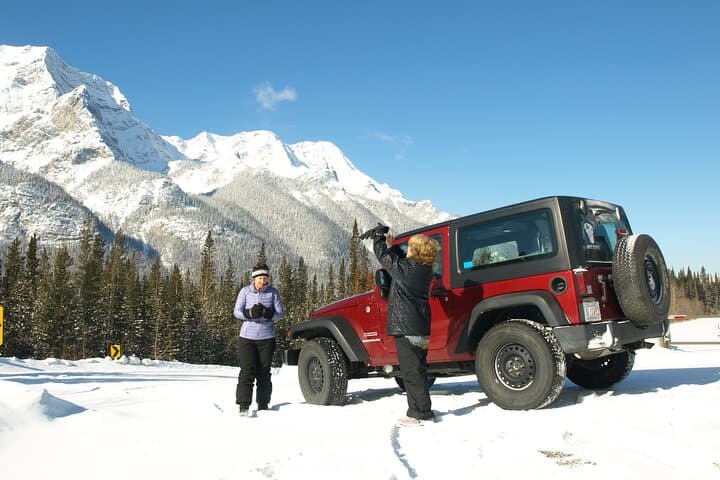
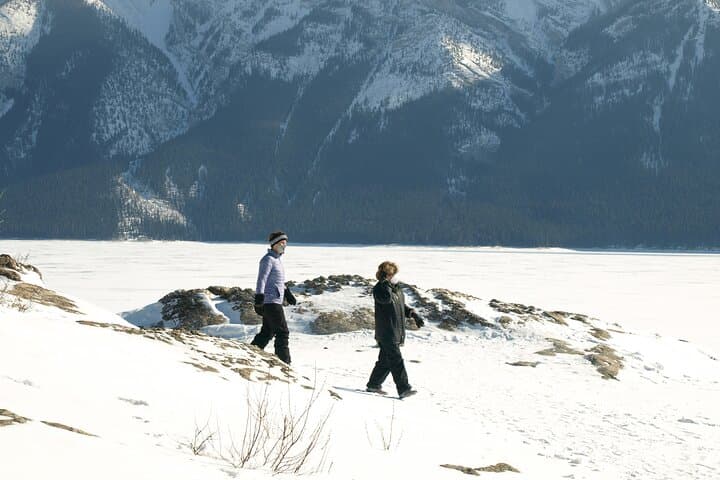
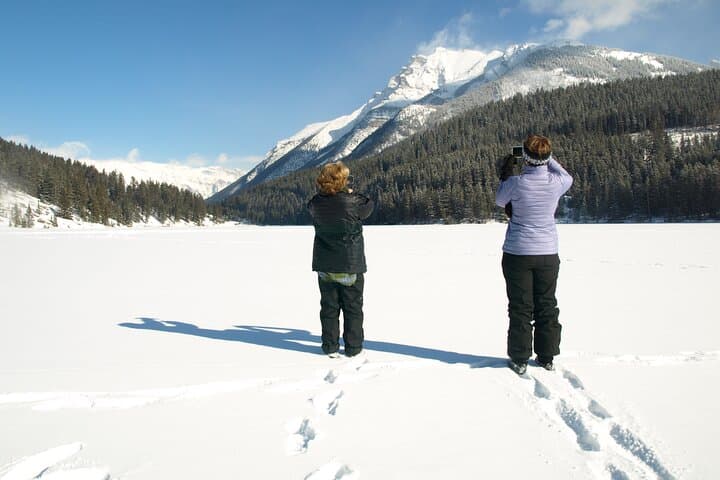
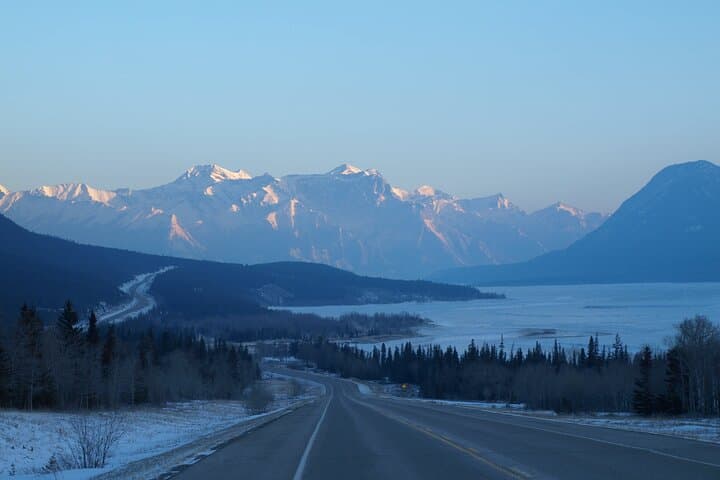
A low winter sun slices across the Icefields Parkway as the van climbs past wind-scoured moraines and frozen creek mouths. Snow compacts under tires; peaks throw long, cold shadows. The day moves like a film reel of pale lakes, icefalls and shuttered cabins—Crowfoot Glacier hunkers above the road, Bow Lake a white plain, Peyto a sculpted bowl of ice and snow.
A low winter sun slices across the Icefields Parkway as the van climbs past wind-scoured moraines and frozen creek mouths. Snow compacts under tires; peaks throw long, cold shadows. The day moves like a film reel of pale lakes, icefalls and shuttered cabins—Crowfoot Glacier hunkers above the road, Bow Lake a white plain, Peyto a sculpted bowl of ice and snow.
The drive traces routes early guides and settlers used to reach high country—log shelters insulated with moss and straw, the hard-handed work of survival that shaped place names and local lore. Geologically, you’re moving through young, uplifted mountains carved by the Cordilleran ice and ongoing glacial flow; limestone cliffs, scree slopes and active glaciers create the stark contrasts winter amplifies. The Kootenay Plains hold special cultural weight for Indigenous peoples and Métis communities; travelers are asked to respect these places and historic sites like the Simpson and Wilson cabins encountered along the route.
Practically, this is an all-day winter sightseeing tour. Stops are short hikes or viewpoints rather than extended backcountry travel—expect roadside viewpoints, hardened trailheads and frozen waterfalls turned to sculpted ice. Dress in insulating layers, use traction on boots for icy pullouts, and plan for limited services on long stretches between Banff and parking points. Daylight is short: schedule the route to hit major viewpoints in the brightest hours and carry extra water, snacks and a charged phone. The Parkway in winter is quiet and bold—the landscape pushes you to slow, look and stay prepared.