THE ADVENTURE COLLECTIVE® · Independent discovery and booking for outdoor travel

Drive one of North America’s most dramatic highways and walk on an ancient glacier. This private full-day tour along the Icefields Parkway links Athabasca Glacier, the Columbia Icefield Skywalk, waterfalls and turquoise lakes with timed stops and local guidance.
Drive one of North America’s most dramatic highways and walk on an ancient glacier. This private full-day tour along the Icefields Parkway links Athabasca Glacier, the Columbia Icefield Skywalk, waterfalls and turquoise lakes with timed stops and local guidance.
A chill lifts off the glacier as you step from the vehicle and the Icefields Parkway unfolds — a high-mountain ribbon of road that pushes you between serrated peaks and glassy, glacier-fed lakes. The air smells of pine and cold stone; Athabasca Glacier waits like a slow-moving, ancient machine sculpting the valley.
Verified experiences and guided adventures in the surrounding area.
Operated by Vista Chase · Jasper, Alberta
A chill lifts off the glacier as you step from the vehicle and the Icefields Parkway unfolds — a high-mountain ribbon of road that pushes you between serrated peaks and glassy, glacier-fed lakes. The air smells of pine and cold stone; Athabasca Glacier waits like a slow-moving, ancient machine sculpting the valley.
This route is carved through the Front Ranges of the Canadian Rockies, where Pleistocene ice left behind moraines and turquoise lakes rich in rock flour. The Columbia Icefield is the hydrological roof of North America, feeding rivers that will travel to three oceans. Indigenous peoples and later European explorers have relied on these passes for millennia; small mountain towns like Jasper grew as gateways for both tourism and resource routes.
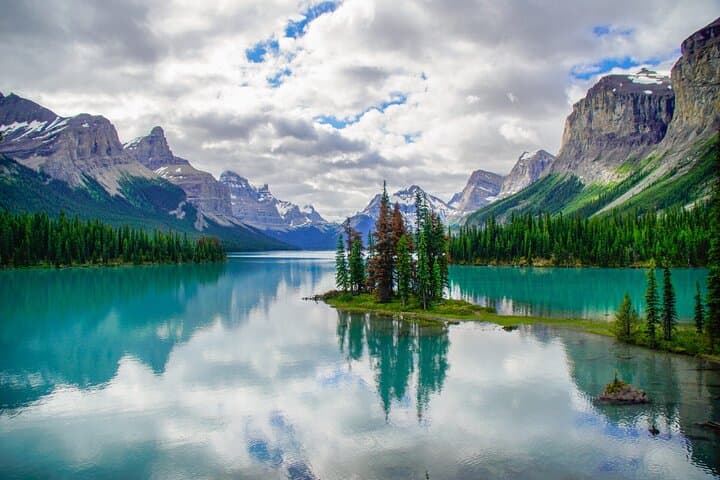
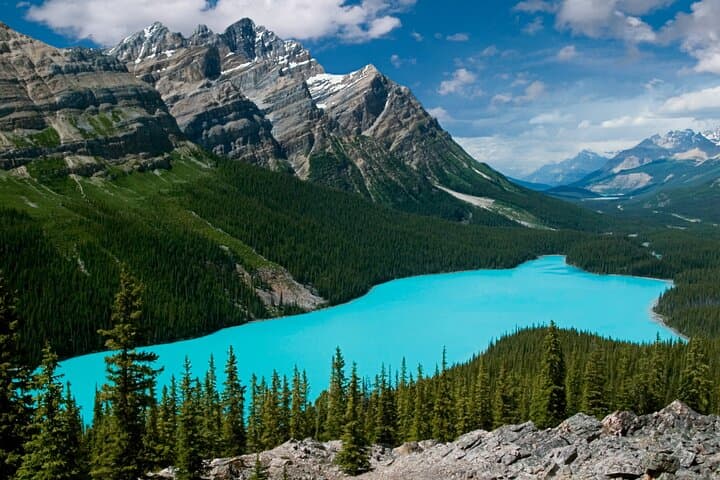
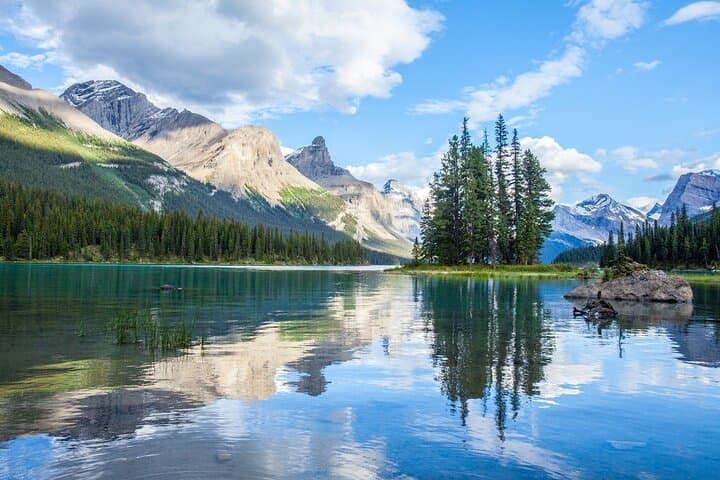
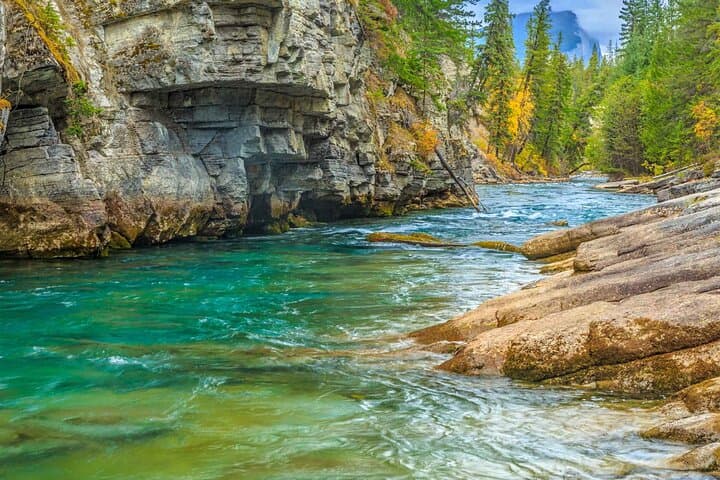
Along the drive you’ll pause at Peyto and Bow Lakes for wide, photogenic views, and at Athabasca and Sunwapta Falls where water rushes with blunt force through narrow canyons. The Skywalk’s glass platform tips you into the valley, forcing a different kind of view: vertigo and panorama in equal measure.
Practical notes: expect long transit time (about half the day spent driving), short paved and unpaved walks under 1 km at stops, and variable weather — layers and sturdy footwear matter. Bring a charged camera, windproof shell, and respect seasonal closures. Guided stops are timed; moving quickly between viewpoints makes the day efficient but still leaves room to feel the ice’s slow presence underfoot.
moderate.
12–13 hours.
Moderately fit: long day with multiple short walks; ability to stand and traverse short slopes for 30–120 minute stops.
Admissions are typically extra; confirm with your operator—some packages include Ice Explorer tickets while others require separate payment at the attraction.
Expect roughly 5–6 hours of transit within this full-day private tour; stops are timed to fit highlights into the day.
Short hikes are under 1 km but can be uneven; infant seats are available but the tour is not recommended for travelers with serious back, heart, or pregnancy concerns.
Layers, waterproof footwear, sun protection, a warm hat, and water; closed-toe shoes are required near icy areas and boardwalks.
The Icefields Parkway traces routes used by Indigenous groups and later by early 20th-century explorers and railway surveyors; roadside place names reflect both geological features and human history.
Glaciers here are retreating; visitors are asked to stay on boardwalks and follow park regulations to limit erosion and disturbance to sensitive alpine habitats.
Vista Chase operates guided outdoor trips and adventures with an emphasis on safety, stewardship, and memorable experiences.
A chill lifts off the glacier as you step from the vehicle and the Icefields Parkway unfolds — a high-mountain ribbon of road that pushes you between serrated peaks and glassy, glacier-fed lakes. The air smells of pine and cold stone; Athabasca Glacier waits like a slow-moving, ancient machine sculpting the valley.
A chill lifts off the glacier as you step from the vehicle and the Icefields Parkway unfolds — a high-mountain ribbon of road that pushes you between serrated peaks and glassy, glacier-fed lakes. The air smells of pine and cold stone; Athabasca Glacier waits like a slow-moving, ancient machine sculpting the valley.
This route is carved through the Front Ranges of the Canadian Rockies, where Pleistocene ice left behind moraines and turquoise lakes rich in rock flour. The Columbia Icefield is the hydrological roof of North America, feeding rivers that will travel to three oceans. Indigenous peoples and later European explorers have relied on these passes for millennia; small mountain towns like Jasper grew as gateways for both tourism and resource routes.
Along the drive you’ll pause at Peyto and Bow Lakes for wide, photogenic views, and at Athabasca and Sunwapta Falls where water rushes with blunt force through narrow canyons. The Skywalk’s glass platform tips you into the valley, forcing a different kind of view: vertigo and panorama in equal measure.
Practical notes: expect long transit time (about half the day spent driving), short paved and unpaved walks under 1 km at stops, and variable weather — layers and sturdy footwear matter. Bring a charged camera, windproof shell, and respect seasonal closures. Guided stops are timed; moving quickly between viewpoints makes the day efficient but still leaves room to feel the ice’s slow presence underfoot.