THE ADVENTURE COLLECTIVE® · Independent discovery and booking for outdoor travel

Stand over a single hole in the frozen surface of Lake Abashiri and pull up silvery wakasagi before frying them into hot tempura. This guided, private-tent ice-fishing experience blends simple technique with a distinctly Hokkaido winter setting.
Stand over a single hole in the frozen surface of Lake Abashiri and pull up silvery wakasagi before frying them into hot tempura. This guided, private-tent ice-fishing experience blends simple technique with a distinctly Hokkaido winter setting.
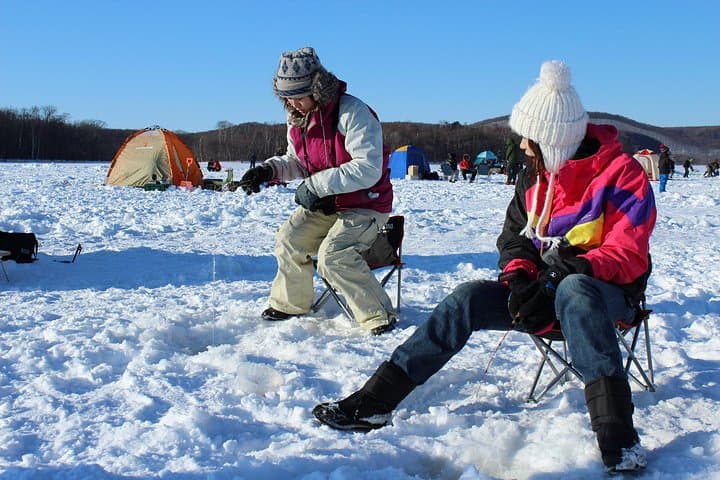
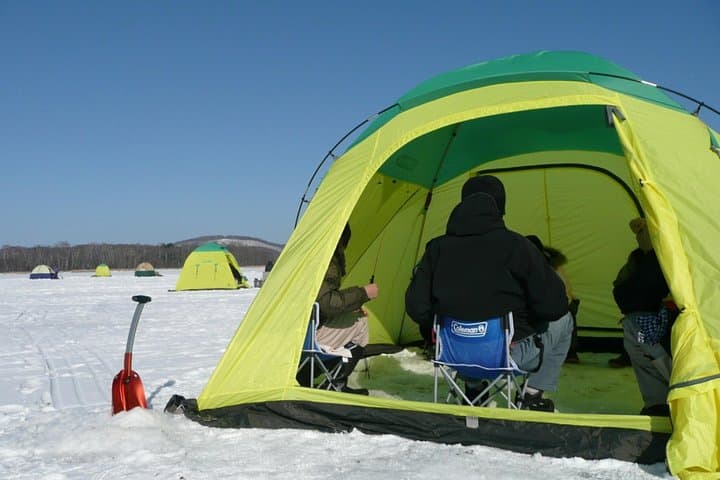
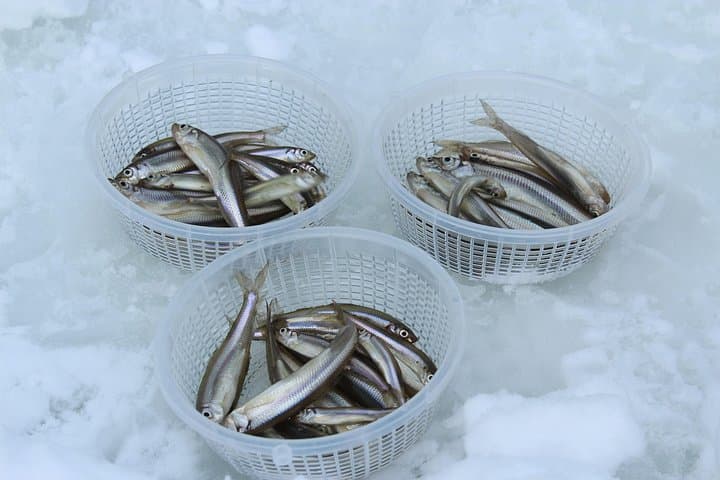
Stand on a sheet of ancient ice and feel Hokkaido’s winter breathe across the plain. Lake Abashiri stretches low and level toward the Sea of Okhotsk, the frozen surface cracking into a pattern of ridges and clear ice. Inside a private canvas tent the world narrows to a single hole, a short line, and the sudden flash of a silvery wakasagi as it darts upward.
Verified experiences and guided adventures in the surrounding area.
Operated by JTB Hokkaido · Abashiri, Hokkaido
Stand on a sheet of ancient ice and feel Hokkaido’s winter breathe across the plain. Lake Abashiri stretches low and level toward the Sea of Okhotsk, the frozen surface cracking into a pattern of ridges and clear ice. Inside a private canvas tent the world narrows to a single hole, a short line, and the sudden flash of a silvery wakasagi as it darts upward.
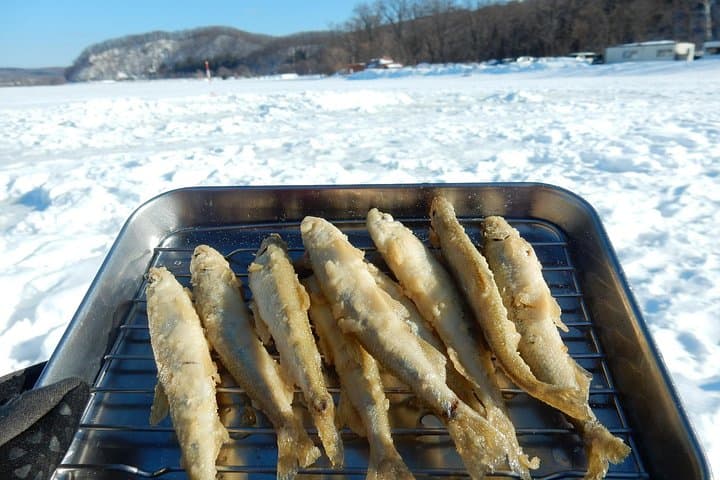
The lake’s shallow basin was shaped by glacial and coastal forces; for generations local fishermen have read the ice like a map. Wakasagi (Japanese smelt) fishing is a seasonal ritual here—simple gear, taught by guides, and finished with the communal pleasure of frying your catch into hot tempura. The result is a direct encounter with place: cold air that tests your layers, the guide’s steady instructions, and the immediate reward of food cooked beside the hole you drilled.
Practically: the experience runs about 130 minutes with morning (≈8:20) and afternoon (≈14:10) sessions. Each group gets a private tent (no heating) and gear; first-time anglers are welcome and guides assist with drilling and unhooking. Expect simple toilet facilities, hot drinks, and a shared tempura snack made from your catch. Bring insulated layers, waterproof boots (boot rental available), a towel for wet hands, and hand warmers.
This is a low-technical, moderate-exertion winter outing—more about patience, warmth management, and the thrill of landing a silver fish than athletic prowess. Weather closes the operation, so plan flexibly and treat the lake with respect: thin ice and extreme cold demand caution.
easy.
2–2.5 hours.
Moderate—able to stand, kneel briefly, and tolerate cold for the session; not strenuous but requires comfort with chilly conditions.
No—guides teach how to drill, bait, and pull up wakasagi; the activity is designed for first-time anglers.
No, tents are private but unheated—dress warmly and consider rental boots and hand warmers.
Operators will cancel for unsafe ice or severe weather; bookings are final but sessions are not run in hazardous conditions.
Yes, but infants must sit on an adult’s lap and you should plan for limited facilities and cold exposure.
Lake Abashiri sits on a shallow coastal plain influenced by glacial and marine processes; wakasagi fishing has been part of Hokkaido’s winter foodways for decades, blending practical subsistence and modern tourism.
Operators limit disturbance by using private tents and staying on established access routes; visitors are encouraged to pack out waste and avoid damaging shoreline vegetation.
JTB Hokkaido operates guided outdoor trips and adventures with an emphasis on safety, stewardship, and memorable experiences.
Stand on a sheet of ancient ice and feel Hokkaido’s winter breathe across the plain. Lake Abashiri stretches low and level toward the Sea of Okhotsk, the frozen surface cracking into a pattern of ridges and clear ice. Inside a private canvas tent the world narrows to a single hole, a short line, and the sudden flash of a silvery wakasagi as it darts upward.
Stand on a sheet of ancient ice and feel Hokkaido’s winter breathe across the plain. Lake Abashiri stretches low and level toward the Sea of Okhotsk, the frozen surface cracking into a pattern of ridges and clear ice. Inside a private canvas tent the world narrows to a single hole, a short line, and the sudden flash of a silvery wakasagi as it darts upward.
The lake’s shallow basin was shaped by glacial and coastal forces; for generations local fishermen have read the ice like a map. Wakasagi (Japanese smelt) fishing is a seasonal ritual here—simple gear, taught by guides, and finished with the communal pleasure of frying your catch into hot tempura. The result is a direct encounter with place: cold air that tests your layers, the guide’s steady instructions, and the immediate reward of food cooked beside the hole you drilled.
Practically: the experience runs about 130 minutes with morning (≈8:20) and afternoon (≈14:10) sessions. Each group gets a private tent (no heating) and gear; first-time anglers are welcome and guides assist with drilling and unhooking. Expect simple toilet facilities, hot drinks, and a shared tempura snack made from your catch. Bring insulated layers, waterproof boots (boot rental available), a towel for wet hands, and hand warmers.
This is a low-technical, moderate-exertion winter outing—more about patience, warmth management, and the thrill of landing a silver fish than athletic prowess. Weather closes the operation, so plan flexibly and treat the lake with respect: thin ice and extreme cold demand caution.