THE ADVENTURE COLLECTIVE® · Independent discovery and booking for outdoor travel

Scale frozen waterfalls in Platte Clove with a guided full-day ice-climbing experience in Catskill Park. Learn technique, use provided technical gear, and tackle routes from short practice flows to long ice pillars while guides manage safety and route selection.
Scale frozen waterfalls in Platte Clove with a guided full-day ice-climbing experience in Catskill Park. Learn technique, use provided technical gear, and tackle routes from short practice flows to long ice pillars while guides manage safety and route selection.
A cold wind threads through the trees as you approach Platte Clove, the rock walls ahead dripping into threads of ice that catch the low winter sun. Guides clip ropes, metal teeth flash, and the canyon’s frozen cascades rise like vertical glass—some manageable 35-foot flows, others towering pillars that test commitment and technique. The air smells of pine and old stone; the cliffside seems to dare you upward.
Verified experiences and guided adventures in the surrounding area.
Operated by Stay Rad Climbing Guides · Hunter, New York
A cold wind threads through the trees as you approach Platte Clove, the rock walls ahead dripping into threads of ice that catch the low winter sun. Guides clip ropes, metal teeth flash, and the canyon’s frozen cascades rise like vertical glass—some manageable 35-foot flows, others towering pillars that test commitment and technique. The air smells of pine and old stone; the cliffside seems to dare you upward.
The Catskills carry a layered history: 19th-century tanning and bluestone quarrying carved trails and access, while early conservation efforts turned much of the region into protected forest preserve. Geologically the clove is a narrow, steep-sided gorge carved by glacial melt and stream erosion, creating concentrated waterfalls that freeze into climbable columns. Locals respect winter’s tempo here—mountain hamlets like Hunter and Tannersville echo a laconic outdoor culture built around skiing, guiding, and seasonal tourism.
On a guided day you’ll learn footwork with crampons, swing axes, and build anchors—progressing from low-angle practice ice to steeper, longer pitches as conditions allow. Expect 5–6 hours on site, brief technique sessions, and repeated climbs to reinforce skills.
Practical notes: wear insulated, crampon-compatible boots, layered waterproof clothing, and bring a warm insulated water bottle. Weather controls access—guides choose climbs for safety and ice quality. Move deliberately on the approach, give anchors and ice the respect they deserve, and plan logistics around winter driving and early darkness. For climbers who want to trade flat winter days for vertical motion, Platte Clove delivers focused, elemental climbing in a wild Catskill setting.
challenging.
5–6 hours.
Moderate to good cardiovascular fitness and leg strength; able to hike on icy, uneven terrain and endure sustained exertion.
No—guided trips are designed for beginners through experienced climbers; instructors teach fundamentals, belaying, and safe movement on ice.
Age limits vary by operator but participants should have moderate fitness and be able to hike on icy terrain; disclose medical conditions when booking.
Guides may cancel or relocate to safer, climbable routes; operators typically offer refunds or alternative dates if they cancel for safety.
Yes—harness, helmet, crampons, ice tools, and ropes are provided; bring your own appropriate boots and layered clothing.
Platte Clove and the surrounding Catskills were shaped by 19th-century industry and later preserved under New York’s forest preserve efforts, creating today’s patchwork of public lands and trail systems.
Ice routes are sensitive—avoid hammering or altering natural ice, follow Leave No Trace principles, and pack out all gear and waste to protect fragile winter habitats.
Stay Rad Climbing Guides operates guided outdoor trips and adventures with an emphasis on safety, stewardship, and memorable experiences.
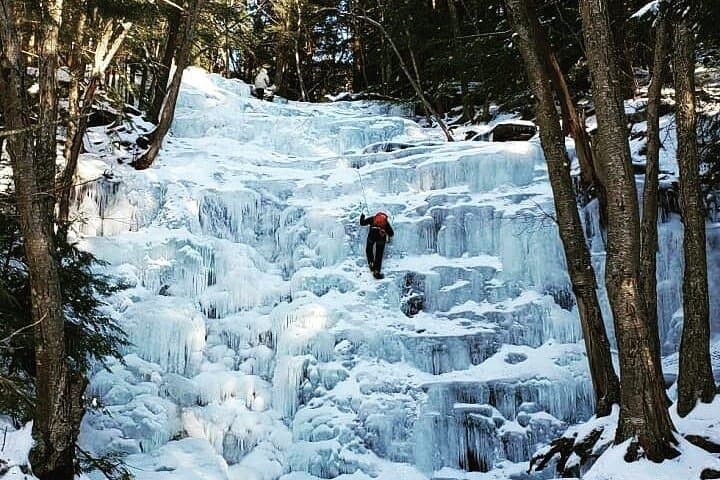
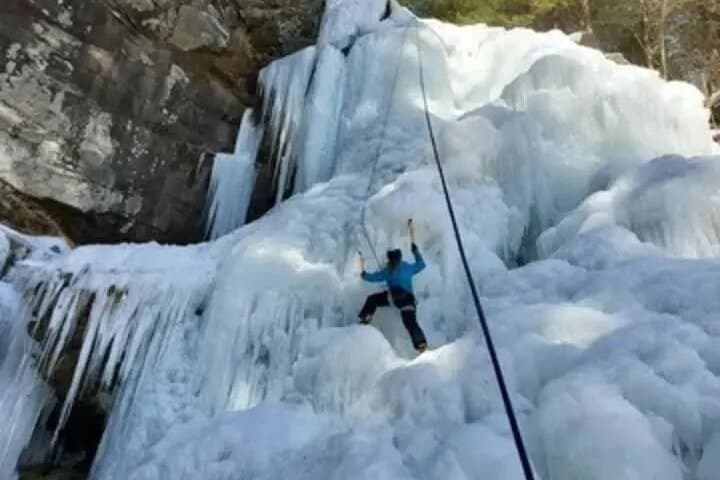
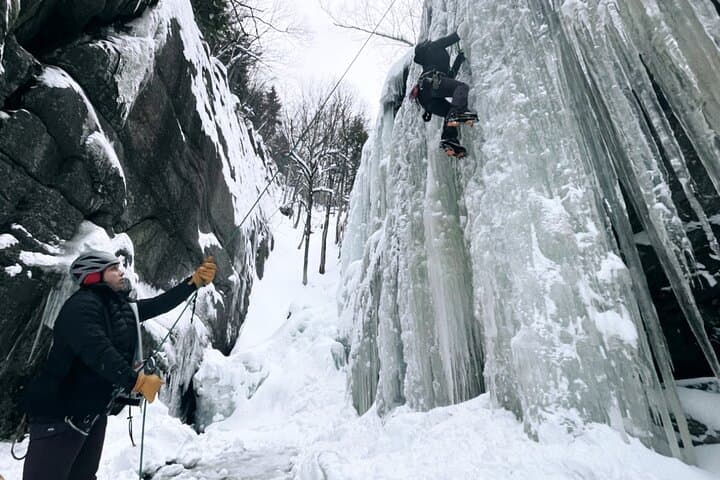
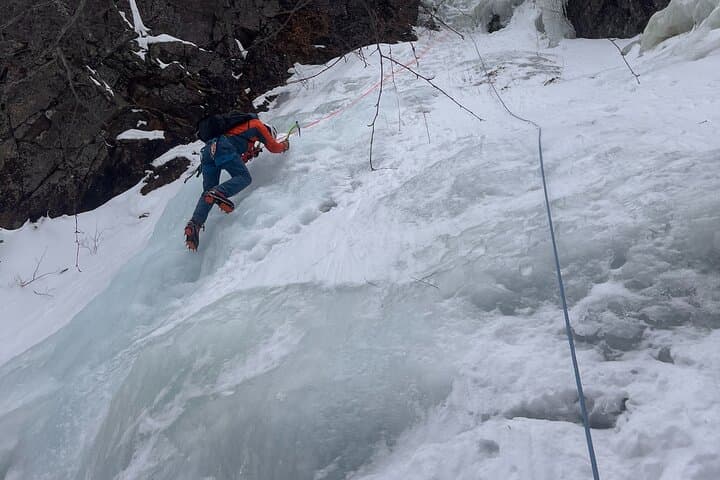
A cold wind threads through the trees as you approach Platte Clove, the rock walls ahead dripping into threads of ice that catch the low winter sun. Guides clip ropes, metal teeth flash, and the canyon’s frozen cascades rise like vertical glass—some manageable 35-foot flows, others towering pillars that test commitment and technique. The air smells of pine and old stone; the cliffside seems to dare you upward.
A cold wind threads through the trees as you approach Platte Clove, the rock walls ahead dripping into threads of ice that catch the low winter sun. Guides clip ropes, metal teeth flash, and the canyon’s frozen cascades rise like vertical glass—some manageable 35-foot flows, others towering pillars that test commitment and technique. The air smells of pine and old stone; the cliffside seems to dare you upward.
The Catskills carry a layered history: 19th-century tanning and bluestone quarrying carved trails and access, while early conservation efforts turned much of the region into protected forest preserve. Geologically the clove is a narrow, steep-sided gorge carved by glacial melt and stream erosion, creating concentrated waterfalls that freeze into climbable columns. Locals respect winter’s tempo here—mountain hamlets like Hunter and Tannersville echo a laconic outdoor culture built around skiing, guiding, and seasonal tourism.
On a guided day you’ll learn footwork with crampons, swing axes, and build anchors—progressing from low-angle practice ice to steeper, longer pitches as conditions allow. Expect 5–6 hours on site, brief technique sessions, and repeated climbs to reinforce skills.
Practical notes: wear insulated, crampon-compatible boots, layered waterproof clothing, and bring a warm insulated water bottle. Weather controls access—guides choose climbs for safety and ice quality. Move deliberately on the approach, give anchors and ice the respect they deserve, and plan logistics around winter driving and early darkness. For climbers who want to trade flat winter days for vertical motion, Platte Clove delivers focused, elemental climbing in a wild Catskill setting.