THE ADVENTURE COLLECTIVE® · Independent discovery and booking for outdoor travel

Ride a Super Jeep from Vík out to Kötlujökull and step into an otherworldly ice cave carved by melt and volcanic heat. This three-hour guided tour combines glacier walking with close-up views of blue ice and volcanic ash bands.
Ride a Super Jeep from Vík out to Kötlujökull and step into an otherworldly ice cave carved by melt and volcanic heat. This three-hour guided tour combines glacier walking with close-up views of blue ice and volcanic ash bands.
The jeep grinds across black sand and moraine until the glacier rises like a pale wall above the horizon. In the cab you can feel the landscape change—wind thins, the air bites—and then the Super Jeep stops at a stubbled ice edge. You step out, slide on crampons and a helmet, and the ice cave opens like an inverted cathedral: bands of blue light thread through ancient compressed ice while seams of volcanic ash stripe the walls.
Verified experiences and guided adventures in the surrounding area.
Operated by Marina Travel · Vík, Southern Region
The jeep grinds across black sand and moraine until the glacier rises like a pale wall above the horizon. In the cab you can feel the landscape change—wind thins, the air bites—and then the Super Jeep stops at a stubbled ice edge. You step out, slide on crampons and a helmet, and the ice cave opens like an inverted cathedral: bands of blue light thread through ancient compressed ice while seams of volcanic ash stripe the walls.
Katla sits under Mýrdalsjökull and the caves in Kötlujökull form where meltwater and geothermal heat carve tunnels through the glacier. The region records a long history of powerful eruptions and sudden jökulhlaups (glacial outburst floods), which continually reshape the coastline and the glacier’s outlets. Locals in Vík have long read weather and sea to survive the raw southern shore, and the area’s black sand beaches and sea cliffs tell the tale of fire meeting ice.
Practically: tours run from Vík and last about three hours, including the Super Jeep transfer. Guides supply crampons, helmets and headlamps and lead short glacier walks—expect uneven ice, wet sections, and low cave ceilings in places. Bring waterproof outer layers, sturdy boots, and a warm base layer; the cave interior can be near freezing. Bus 51 connects Reykjavík to Vík for those without a car. Follow guide instructions, keep distance from fragile ice features, and protect photos from condensation. The trip rewards minimal effort with rare visuals: blue ice, ash bands and the sense of standing where volcano and glacier meet.
moderate.
3 hours.
Suitable for most active travelers able to walk on uneven terrain for 20–45 minutes; not strenuous but requires mobility.
Guests make their own way to Vík; public bus service number 51 runs from Reykjavík to Vík, or you can drive the Ring Road (Route 1).
Yes—guides supply crampons, helmets and headlamps as part of the tour; you only need to bring appropriate clothing and boots.
Tours are generally suitable for most people but are not recommended for travelers with serious heart problems, spinal injuries, or pregnancy—consult the operator before booking.
Yes, photography is allowed; keep equipment secure, watch for condensation on lenses, and follow guide instructions to avoid damaging formations.
Katla lies beneath the Mýrdalsjökull ice cap and has a history of powerful eruptions that trigger jökulhlaups—events that have shaped local settlement patterns and coastal deposits.
Glacier caves are transient and fragile; stay on guide-approved routes, avoid touching delicate ice formations, and carry out all trash to minimize impact.
Marina Travel operates guided outdoor trips and adventures with an emphasis on safety, stewardship, and memorable experiences.
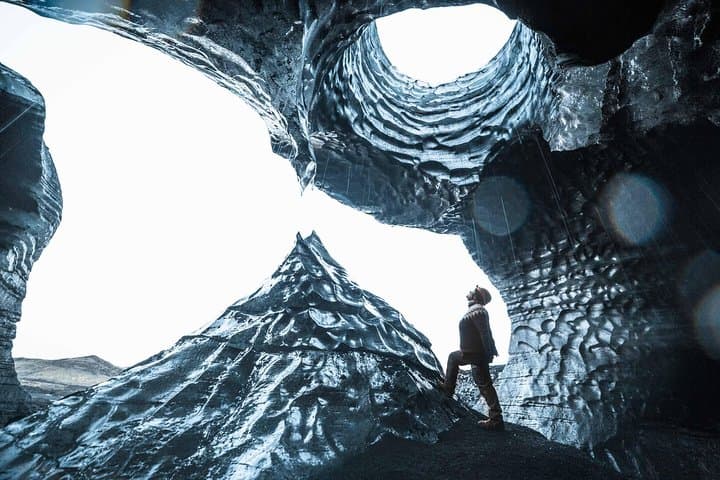
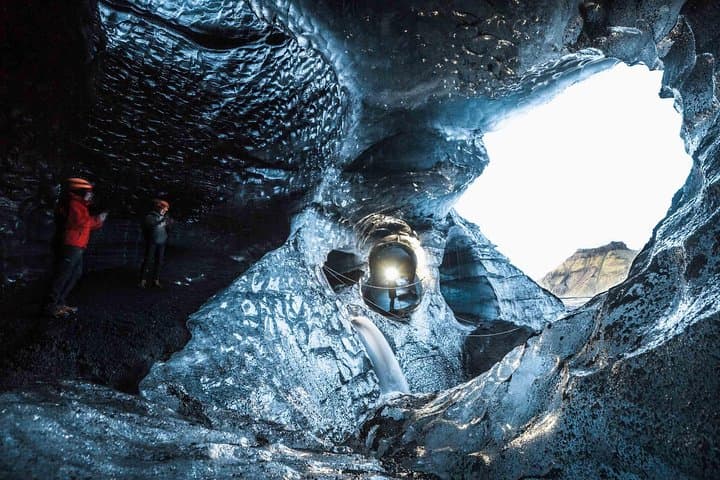
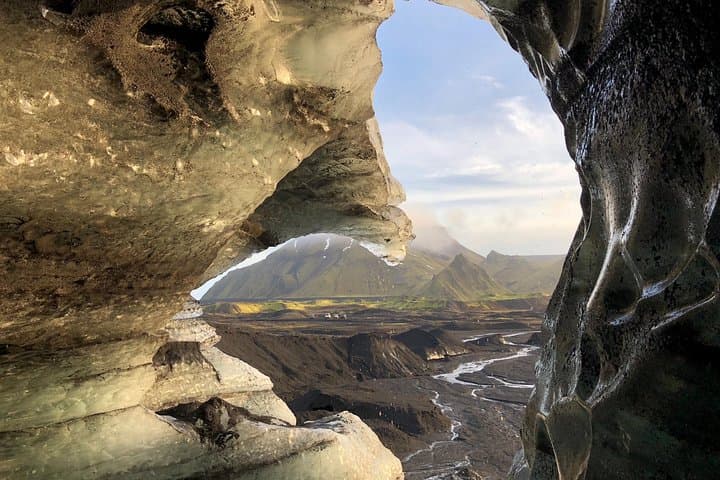
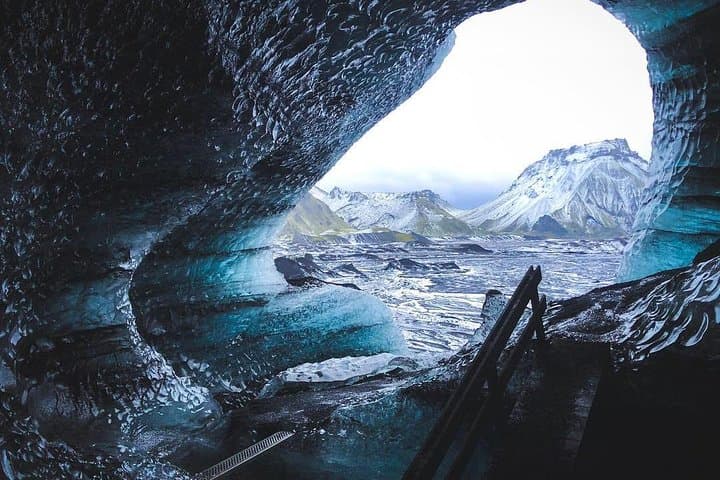
The jeep grinds across black sand and moraine until the glacier rises like a pale wall above the horizon. In the cab you can feel the landscape change—wind thins, the air bites—and then the Super Jeep stops at a stubbled ice edge. You step out, slide on crampons and a helmet, and the ice cave opens like an inverted cathedral: bands of blue light thread through ancient compressed ice while seams of volcanic ash stripe the walls.
The jeep grinds across black sand and moraine until the glacier rises like a pale wall above the horizon. In the cab you can feel the landscape change—wind thins, the air bites—and then the Super Jeep stops at a stubbled ice edge. You step out, slide on crampons and a helmet, and the ice cave opens like an inverted cathedral: bands of blue light thread through ancient compressed ice while seams of volcanic ash stripe the walls.
Katla sits under Mýrdalsjökull and the caves in Kötlujökull form where meltwater and geothermal heat carve tunnels through the glacier. The region records a long history of powerful eruptions and sudden jökulhlaups (glacial outburst floods), which continually reshape the coastline and the glacier’s outlets. Locals in Vík have long read weather and sea to survive the raw southern shore, and the area’s black sand beaches and sea cliffs tell the tale of fire meeting ice.
Practically: tours run from Vík and last about three hours, including the Super Jeep transfer. Guides supply crampons, helmets and headlamps and lead short glacier walks—expect uneven ice, wet sections, and low cave ceilings in places. Bring waterproof outer layers, sturdy boots, and a warm base layer; the cave interior can be near freezing. Bus 51 connects Reykjavík to Vík for those without a car. Follow guide instructions, keep distance from fragile ice features, and protect photos from condensation. The trip rewards minimal effort with rare visuals: blue ice, ash bands and the sense of standing where volcano and glacier meet.