THE ADVENTURE COLLECTIVE® · Independent discovery and booking for outdoor travel

Spend a day tasting Peru’s signature spirit and regional wines in the sunbaked Ica Valley. Visit Hacienda Tacama and small artisanal bodegas for cellar tours, guided tastings and a free lunch stop.
Spend a day tasting Peru’s signature spirit and regional wines in the sunbaked Ica Valley. Visit Hacienda Tacama and small artisanal bodegas for cellar tours, guided tastings and a free lunch stop.
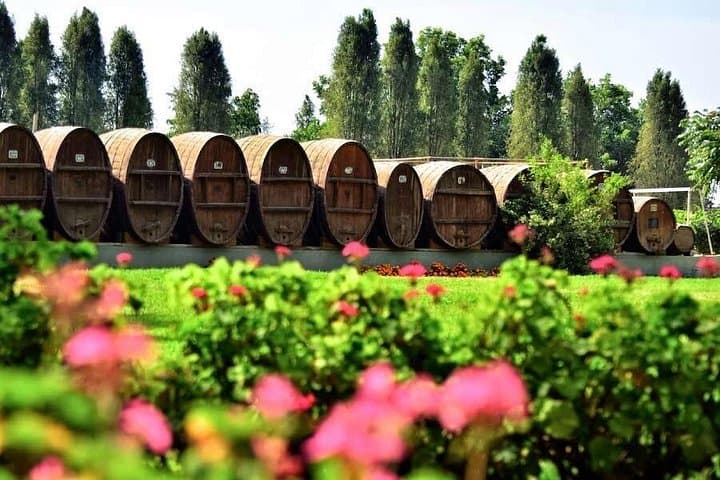
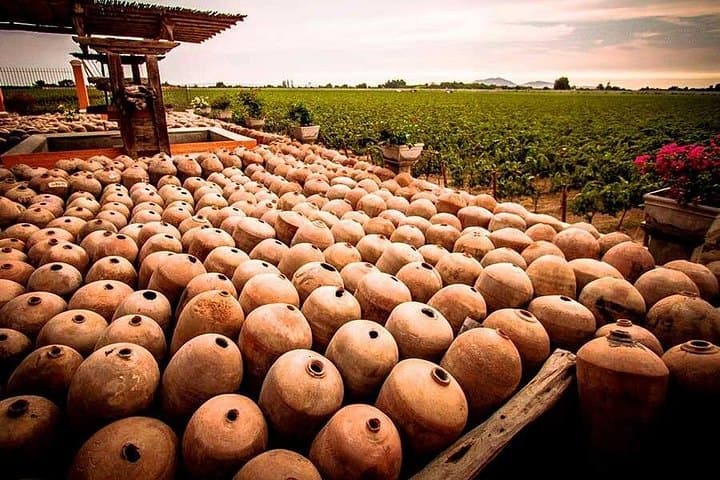
The bus pulls off the highway into Ica’s sunburnt valley and the air shifts—dry, warm, threaded with fermented grape and cane. Rows of vines stretch low to the earth, the desert pressing close, while stone cellars and colonial hacienda walls hold cool shadows and the scent of fermenting pisco. This is a day that moves at the pace of barrels turning: slow, deliberate, and sensory.
Verified experiences and guided adventures in the surrounding area.
Operated by Sam Travel Experiences · Ica, Ica
The bus pulls off the highway into Ica’s sunburnt valley and the air shifts—dry, warm, threaded with fermented grape and cane. Rows of vines stretch low to the earth, the desert pressing close, while stone cellars and colonial hacienda walls hold cool shadows and the scent of fermenting pisco. This is a day that moves at the pace of barrels turning: slow, deliberate, and sensory.
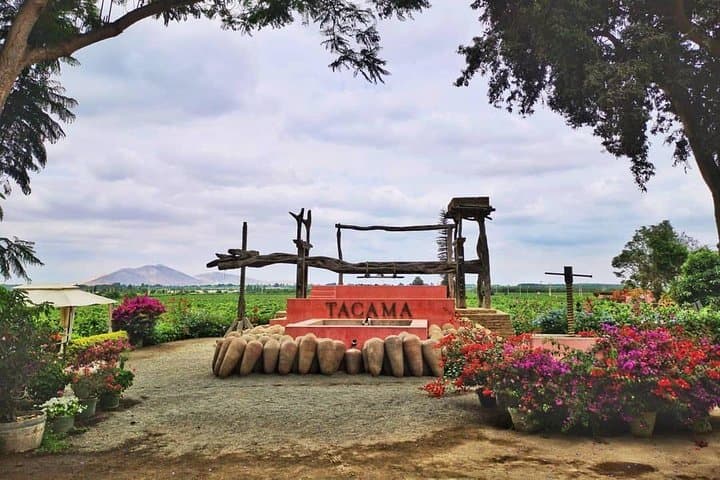
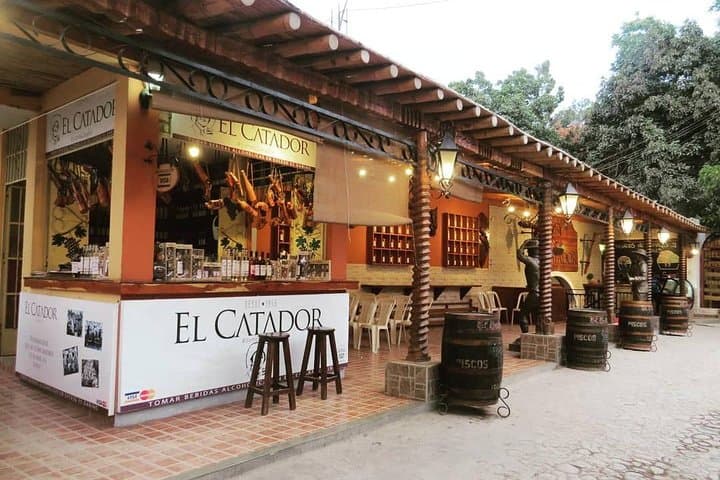
The route follows a long local tradition: Tacama, often cited as the oldest winery in South America, anchors the tour with colonial cellars and tasting rooms. Nearby artisanal bodegas—El Arrabal, Bodega Nietto and La Vieja Bodega Lovera—preserve family methods for producing pisco and regional wines. Geologically, the Ica Valley is coastal desert carved by the Ica River and irrigated by ancient aquifers; the sandy soil and intense sun concentrate sugars in the grapes, giving local spirits a distinct character. Culturally, pisco is central to Peruvian identity—sipping here is both tasting and storytelling.
Practical guidance: the shared tour runs about 5–6 hours with multiple short transfers and tastings; wear comfortable closed-toe shoes for gravel cellars and a sun hat for open patios. Bring a refillable water bottle—alcohol and sun make hydration essential—and plan lunch during the free break at El Arrabal. If you visit on a Monday, Tacama is closed and Vista Alegre is the substitute. Expect uneven surfaces in historic cellars and modest walking distances within each site.
This tour suits travelers who want a grounded, sensory introduction to Peruvian viticulture and pisco—less about strenuous hiking, more about flavor, history, and the strange, beautiful economy of wine in the desert.
easy.
5–6 hours.
Suitable for travelers of average mobility; involves short walks on gravel and steps in cellars.
Yes—guided tastings at the listed wineries and distilleries are included as part of the itinerary.
Pickup from hotels in Ica is included; on holidays pickups may be from Plaza de Armas or Huacachina with specified drop-off locations.
Lunch is not included but the tour provides free time to eat at El Arrabal’s restaurant during the tour.
Infants are allowed but must sit on an adult’s lap; the activity level is easy and suitable for most ages.
Tacama is historically significant as a long-standing hacienda winery in the region; pisco production in Ica dates back to colonial-era distillation and has become central to Peruvian culinary identity.
The Ica Valley relies on limited desert water resources; choose wineries that practice efficient irrigation and avoid single-use plastics during tastings.
Sam Travel Experiences operates guided outdoor trips and adventures with an emphasis on safety, stewardship, and memorable experiences.
The bus pulls off the highway into Ica’s sunburnt valley and the air shifts—dry, warm, threaded with fermented grape and cane. Rows of vines stretch low to the earth, the desert pressing close, while stone cellars and colonial hacienda walls hold cool shadows and the scent of fermenting pisco. This is a day that moves at the pace of barrels turning: slow, deliberate, and sensory.
The bus pulls off the highway into Ica’s sunburnt valley and the air shifts—dry, warm, threaded with fermented grape and cane. Rows of vines stretch low to the earth, the desert pressing close, while stone cellars and colonial hacienda walls hold cool shadows and the scent of fermenting pisco. This is a day that moves at the pace of barrels turning: slow, deliberate, and sensory.
The route follows a long local tradition: Tacama, often cited as the oldest winery in South America, anchors the tour with colonial cellars and tasting rooms. Nearby artisanal bodegas—El Arrabal, Bodega Nietto and La Vieja Bodega Lovera—preserve family methods for producing pisco and regional wines. Geologically, the Ica Valley is coastal desert carved by the Ica River and irrigated by ancient aquifers; the sandy soil and intense sun concentrate sugars in the grapes, giving local spirits a distinct character. Culturally, pisco is central to Peruvian identity—sipping here is both tasting and storytelling.
Practical guidance: the shared tour runs about 5–6 hours with multiple short transfers and tastings; wear comfortable closed-toe shoes for gravel cellars and a sun hat for open patios. Bring a refillable water bottle—alcohol and sun make hydration essential—and plan lunch during the free break at El Arrabal. If you visit on a Monday, Tacama is closed and Vista Alegre is the substitute. Expect uneven surfaces in historic cellars and modest walking distances within each site.
This tour suits travelers who want a grounded, sensory introduction to Peruvian viticulture and pisco—less about strenuous hiking, more about flavor, history, and the strange, beautiful economy of wine in the desert.