THE ADVENTURE COLLECTIVE® · Independent discovery and booking for outdoor travel

Combine vineyard tasting rooms in the Ica Valley with high-octane dune buggy runs at Huacachina. This full-day tour stitches colonial winery history to desert sport—perfect for travelers who want both tasting notes and sand in their shoes.
Combine vineyard tasting rooms in the Ica Valley with high-octane dune buggy runs at Huacachina. This full-day tour stitches colonial winery history to desert sport—perfect for travelers who want both tasting notes and sand in their shoes.
Dust lifts in a warm plume as a dune buggy carves the flank of Huacachina’s ochre slopes, the lagoon far below catching the late-afternoon light.
Verified experiences and guided adventures in the surrounding area.
Operated by Sam Travel Experiences · Ica, Ica
Dust lifts in a warm plume as a dune buggy carves the flank of Huacachina’s ochre slopes, the lagoon far below catching the late-afternoon light.
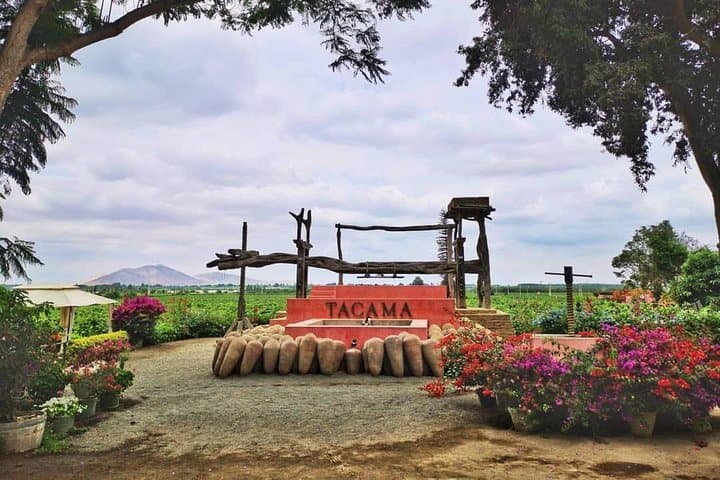
The day begins in the Ica valley—an agricultural ribbon fed by the Rio Ica—where centuries-old estates like Hacienda Tacama and artisan bodegas chronicle Peru’s colonial viticulture and the rise of pisco. Vineyards spread across alluvial soils, their vines irrigated by ancient canals while the nearby desert pushes up vast, wind-sculpted dunes that demand a different rhythm: momentum, balance and an appetite for speed.
Culturally the loop pairs tasting rooms and tasting notes with adrenaline: guided cellar tours explain grape varietals and distillation of pisco, while Huacachina’s oasis preserves a tiny wetland ecosystem ringed by dunes used for sandboarding and buggy runs. Geologically the dunes are coastal deposits reworked by Pacific winds; when you crest them you feel the desert’s slow, relentless shaping.
Practical guidance: plan for a 6–7 hour excursion that includes winery tastings, a restaurant stop, and a 60–120 minute dune-buggy session (shorter on Peruvian holidays). Bring sun protection, closed-toe shoes for buggy and sandboarding, and at least 1–2 liters of water; buses and transfers are commonly included, but check pick-up details. Avoid if you have spinal, heart, or pregnancy restrictions—tour operators routinely list these limits. Book for late afternoon if you want sunset runs when temperatures drop and the light sharpens the dunes’ contours.
moderate.
6–7 hours.
Suitable for most fitness levels; participants should be able to walk short distances, climb sandy slopes, and tolerate bumpy rides.
Typically 60–120 minutes depending on the day; official holidays often shorten the ride to about an hour.
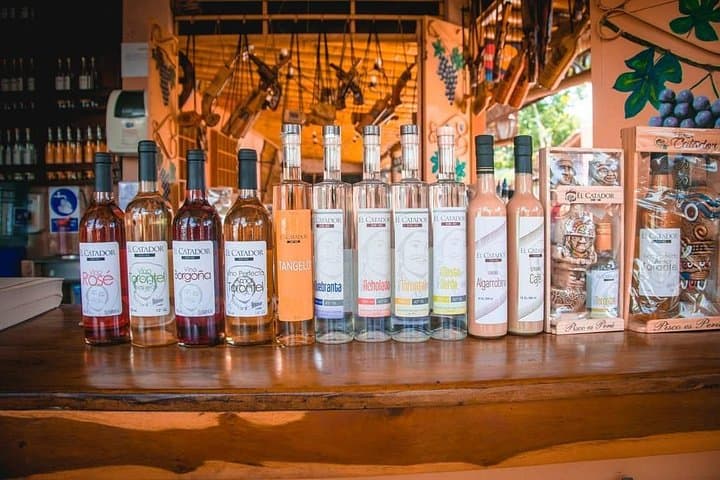
Yes—visits to Tacama (or Vista Alegre on Mondays) and El Arrabal include guided tastings; lunch is usually at your own expense at the vineyard restaurant.
Yes—sandboarding is offered in the traditional lying-down style and suitable for most people; professional standing boards can be rented separately if available.
Most tours include hotel pickup in Ica and transfers back to the bus station or hotel at the end; confirm your pickup point at booking.
Ica’s vineyards date to colonial land grants; Hacienda Tacama is among the oldest established estates and helped formalize viticulture and pisco production in the region.
Huacachina’s oasis is a fragile wetland; stick to marked areas, avoid littering, and choose operators that minimize off-trail driving to protect dune stability and the lagoon.
Sam Travel Experiences operates guided outdoor trips and adventures with an emphasis on safety, stewardship, and memorable experiences.

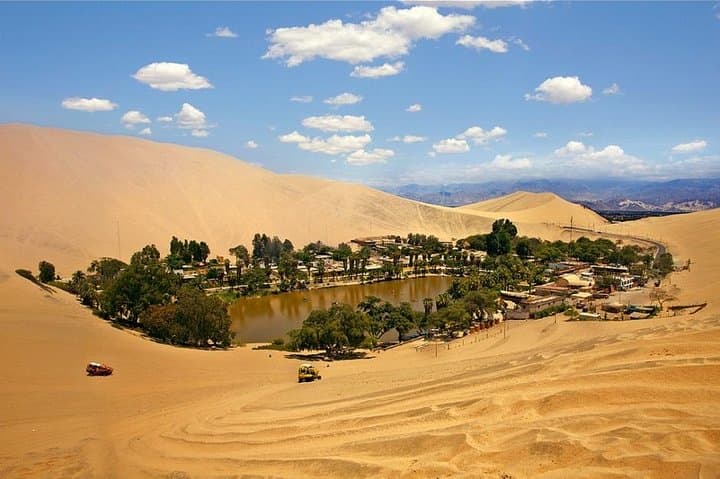
Dust lifts in a warm plume as a dune buggy carves the flank of Huacachina’s ochre slopes, the lagoon far below catching the late-afternoon light.
Dust lifts in a warm plume as a dune buggy carves the flank of Huacachina’s ochre slopes, the lagoon far below catching the late-afternoon light.
The day begins in the Ica valley—an agricultural ribbon fed by the Rio Ica—where centuries-old estates like Hacienda Tacama and artisan bodegas chronicle Peru’s colonial viticulture and the rise of pisco. Vineyards spread across alluvial soils, their vines irrigated by ancient canals while the nearby desert pushes up vast, wind-sculpted dunes that demand a different rhythm: momentum, balance and an appetite for speed.
Culturally the loop pairs tasting rooms and tasting notes with adrenaline: guided cellar tours explain grape varietals and distillation of pisco, while Huacachina’s oasis preserves a tiny wetland ecosystem ringed by dunes used for sandboarding and buggy runs. Geologically the dunes are coastal deposits reworked by Pacific winds; when you crest them you feel the desert’s slow, relentless shaping.
Practical guidance: plan for a 6–7 hour excursion that includes winery tastings, a restaurant stop, and a 60–120 minute dune-buggy session (shorter on Peruvian holidays). Bring sun protection, closed-toe shoes for buggy and sandboarding, and at least 1–2 liters of water; buses and transfers are commonly included, but check pick-up details. Avoid if you have spinal, heart, or pregnancy restrictions—tour operators routinely list these limits. Book for late afternoon if you want sunset runs when temperatures drop and the light sharpens the dunes’ contours.