THE ADVENTURE COLLECTIVE® · Independent discovery and booking for outdoor travel

See the Nazca Lines from the air without worrying about transfers—this organized overflight from Ica delivers guided ground transport and a 35–40 minute scenic loop that reveals 20–25 geoglyphs. Read on for what to expect and how to prepare.
See the Nazca Lines from the air without worrying about transfers—this organized overflight from Ica delivers guided ground transport and a 35–40 minute scenic loop that reveals 20–25 geoglyphs. Read on for what to expect and how to prepare.
You climb into a light aircraft as the Peruvian desert runs out beneath you—baked earth, low scrub, and the faint white scars of ancient lines. The pilot levels off and the first figure appears: the hummingbird spreads across the landscape, small from the cabin but perfectly deliberate. Wind brushes the fuselage, the engine’s murmur becomes the soundtrack as the plane banks to give each side a clear view.
Verified experiences and guided adventures in the surrounding area.
Operated by Almaru Travel · Nazca, Ica
You climb into a light aircraft as the Peruvian desert runs out beneath you—baked earth, low scrub, and the faint white scars of ancient lines. The pilot levels off and the first figure appears: the hummingbird spreads across the landscape, small from the cabin but perfectly deliberate. Wind brushes the fuselage, the engine’s murmur becomes the soundtrack as the plane banks to give each side a clear view.
The Nazca Lines were etched by the Nazca culture between roughly 200 BCE and 600 CE, cutting long strokes into a clay-and-stone surface that has preserved geometric and animal figures. Geologically, the region’s dry, stable climate and a protective gravel mantle helped keep the lines visible for centuries; Maria Reiche’s 20th-century surveys helped popularize their study and protection.
Flights operate from small airfields near Nazca; local guides brief passengers on safety, viewing procedures and the sequence of the overflight. Expect to see 20–25 figures on a standard route, including the Hummingbird, Monkey, Spider, Condor and the so-called Astronaut. Transfers from Ica traverse the southern desert with minimal stops—roads are paved but remote, and the landscape can feel wide and unforgiving.
Practical notes: the airborne leg runs ~35–40 minutes; total door-to-door time including transfers may be several hours. Seat weight and passport details are required at booking; light turbulence and tight cabin space mean travel sickness measures and ear-friendly layers are wise. Aim for morning departures for the most stable air and crisp photographs. Above all, respect the protection rules on the ground—don’t walk on the lines—and allow the flight to do the telling: these figures were made for the sky.
easy.
4–6 hours.
No special fitness required beyond ability to board a small plane and endure short periods seated in a compact cabin.
The overflight itself lasts roughly 35–40 minutes; most bookings include ground transfers from Ica, making the full excursion several hours.
Yes—operators collect passenger weights for aircraft balance and require passport information for booking and check-in.
No—visitors must not walk on the Nazca Lines; access is restricted to observation towers and aerial overflights to protect the geoglyphs.
Morning flights (mid-morning) typically offer calmer air and crisp light; avoid late afternoon when low sun can cast long shadows across figures.
The Nazca Lines were created by the Nazca culture between roughly 200 BCE and 600 CE and studied extensively by Maria Reiche in the 20th century; they are a UNESCO World Heritage site.
Overflights are regulated to limit noise and repeated passes; on the ground, stay to designated viewpoints and follow local rules to protect the fragile desert surface.
Almaru Travel operates guided outdoor trips and adventures with an emphasis on safety, stewardship, and memorable experiences.

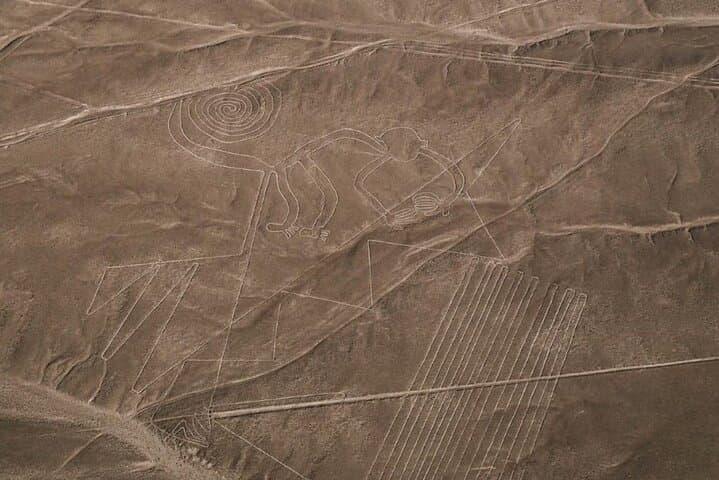
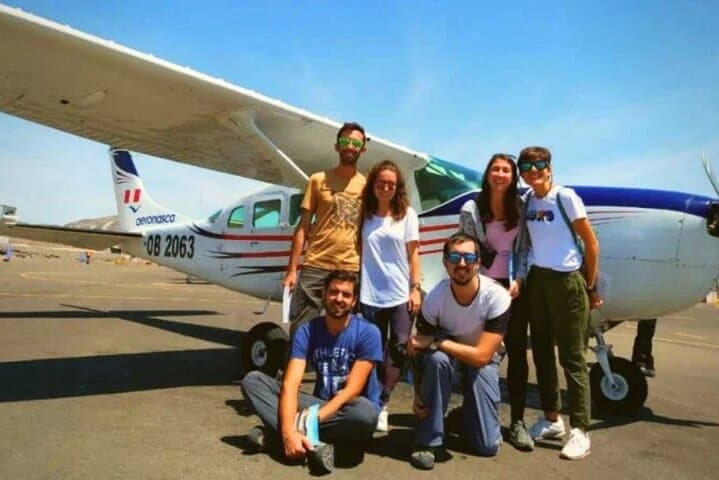
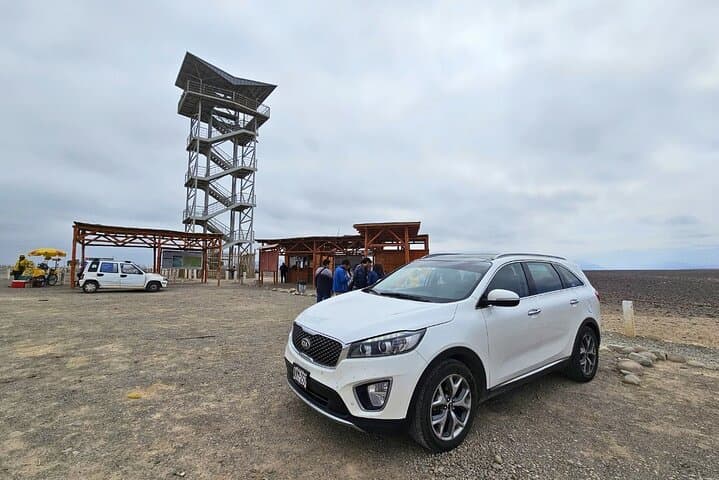
You climb into a light aircraft as the Peruvian desert runs out beneath you—baked earth, low scrub, and the faint white scars of ancient lines. The pilot levels off and the first figure appears: the hummingbird spreads across the landscape, small from the cabin but perfectly deliberate. Wind brushes the fuselage, the engine’s murmur becomes the soundtrack as the plane banks to give each side a clear view.
You climb into a light aircraft as the Peruvian desert runs out beneath you—baked earth, low scrub, and the faint white scars of ancient lines. The pilot levels off and the first figure appears: the hummingbird spreads across the landscape, small from the cabin but perfectly deliberate. Wind brushes the fuselage, the engine’s murmur becomes the soundtrack as the plane banks to give each side a clear view.
The Nazca Lines were etched by the Nazca culture between roughly 200 BCE and 600 CE, cutting long strokes into a clay-and-stone surface that has preserved geometric and animal figures. Geologically, the region’s dry, stable climate and a protective gravel mantle helped keep the lines visible for centuries; Maria Reiche’s 20th-century surveys helped popularize their study and protection.
Flights operate from small airfields near Nazca; local guides brief passengers on safety, viewing procedures and the sequence of the overflight. Expect to see 20–25 figures on a standard route, including the Hummingbird, Monkey, Spider, Condor and the so-called Astronaut. Transfers from Ica traverse the southern desert with minimal stops—roads are paved but remote, and the landscape can feel wide and unforgiving.
Practical notes: the airborne leg runs ~35–40 minutes; total door-to-door time including transfers may be several hours. Seat weight and passport details are required at booking; light turbulence and tight cabin space mean travel sickness measures and ear-friendly layers are wise. Aim for morning departures for the most stable air and crisp photographs. Above all, respect the protection rules on the ground—don’t walk on the lines—and allow the flight to do the telling: these figures were made for the sky.